互聯(lián)網(wǎng)/程序員/技術(shù)/資料共享?
來自:my.oschina.net/plucury/blog/192577
理解零拷貝 零拷貝是Netty的重要特性之一,而究竟什么是零拷貝呢?WIKI中對(duì)其有如下定義:"Zero-copy" describes computer operations in which the CPU does not perform the task of copying data from one memory area to another.
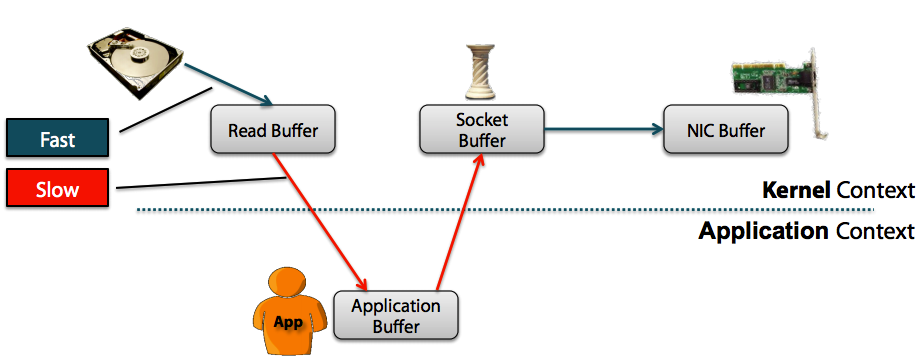
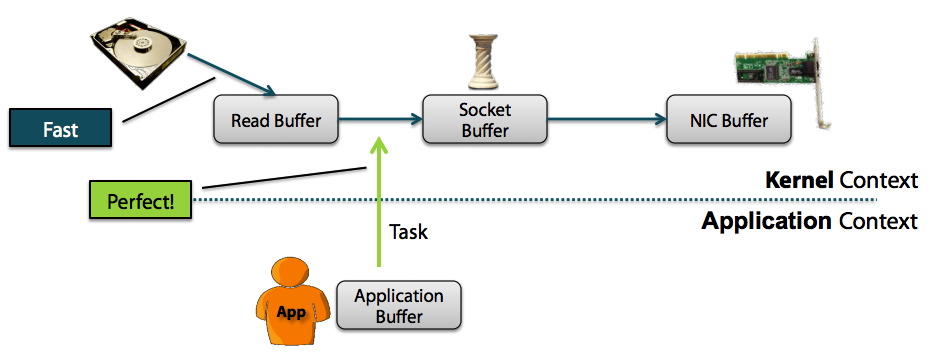
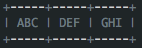
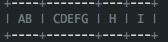
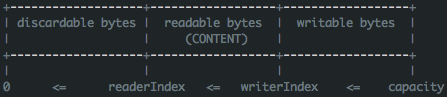
從WIKI的定義中,我們看到“零拷貝”是指計(jì)算機(jī)操作的過程中,CPU不需要為數(shù)據(jù)在內(nèi)存之間的拷貝消耗資源。而它通常是指計(jì)算機(jī)在網(wǎng)絡(luò)上發(fā)送文件時(shí),不需要將文件內(nèi)容拷貝到用戶空間(User Space)而直接在內(nèi)核空間(Kernel Space)中傳輸?shù)骄W(wǎng)絡(luò)的方式。從上圖中可以清楚的看到,Zero Copy的模式中,避免了數(shù)據(jù)在用戶空間和內(nèi)存空間之間的拷貝,從而提高了系統(tǒng)的整體性能。Linux中的sendfile()以及Java NIO中的FileChannel.transferTo()方法都實(shí)現(xiàn)了零拷貝的功能,而在Netty中也通過在FileRegion中包裝了NIO的FileChannel.transferTo()方法實(shí)現(xiàn)了零拷貝。而在Netty中還有另一種形式的零拷貝,即Netty允許我們將多段數(shù)據(jù)合并為一整段虛擬數(shù)據(jù)供用戶使用,而過程中不需要對(duì)數(shù)據(jù)進(jìn)行拷貝操作,這也是我們今天要講的重點(diǎn)。我們都知道在stream-based transport(如TCP/IP)的傳輸過程中,數(shù)據(jù)包有可能會(huì)被重新封裝在不同的數(shù)據(jù)包中,例如當(dāng)你發(fā)送如下數(shù)據(jù)時(shí):有可能實(shí)際收到的數(shù)據(jù)如下:因此在實(shí)際應(yīng)用中,很有可能一條完整的消息被分割為多個(gè)數(shù)據(jù)包進(jìn)行網(wǎng)絡(luò)傳輸,而單個(gè)的數(shù)據(jù)包對(duì)你而言是沒有意義的,只有當(dāng)這些數(shù)據(jù)包組成一條完整的消息時(shí)你才能做出正確的處理,而Netty可以通過零拷貝的方式將這些數(shù)據(jù)包組合成一條完整的消息供你來使用。而此時(shí),零拷貝的作用范圍僅在用戶空間中。以Netty 3.8.0.Final的源代碼來進(jìn)行說明 ###ChannelBuffer接口 Netty為需要傳輸?shù)臄?shù)據(jù)制定了統(tǒng)一的ChannelBuffer接口。該接口的主要設(shè)計(jì)思路如下:1.使用getByte(int index)方法來實(shí)現(xiàn)隨機(jī)訪問2.使用雙指針的方式實(shí)現(xiàn)順序訪問每個(gè)Buffer都有一個(gè)讀指針(readIndex)和寫指針(writeIndex)在讀取數(shù)據(jù)時(shí)讀指針后移,在寫入數(shù)據(jù)時(shí)寫指針后移定義了統(tǒng)一的接口之后,就是來做各種實(shí)現(xiàn)了。Netty主要實(shí)現(xiàn)了HeapChannelBuffer,ByteBufferBackedChannelBuffer等等,下面我們就來講講與Zero Copy直接相關(guān)的CompositeChannelBuffer類。###CompositeChannelBuffer類 CompositeChannelBuffer類的作用是將多個(gè)ChannelBuffer組成一個(gè)虛擬的ChannelBuffer來進(jìn)行操作。為什么說是虛擬的呢,因?yàn)镃ompositeChannelBuffer并沒有將多個(gè)ChannelBuffer真正的組合起來,而只是保存了他們的引用,這樣就避免了數(shù)據(jù)的拷貝,實(shí)現(xiàn)了Zero Copy。下面我們來看看具體的代碼實(shí)現(xiàn),首先是成員變量private?int?readerIndex;
private?int?writerIndex;
private?ChannelBuffer[]?components;
private?int[]?indices;
private?int?lastAccessedComponentId;
以上這里列出了幾個(gè)比較重要的成員變量。其中readerIndex既讀指針和writerIndex既寫指針是從AbstractChannelBuffer繼承而來的;然后components是一個(gè)ChannelBuffer的數(shù)組,他保存了組成這個(gè)虛擬Buffer的所有子Buffer,indices是一個(gè)int類型的數(shù)組,它保存的是各個(gè)Buffer的索引值;最后的lastAccessedComponentId是一個(gè)int值,它記錄了最后一次訪問時(shí)的子Buffer ID。從這個(gè)數(shù)據(jù)結(jié)構(gòu),我們不難發(fā)現(xiàn)所謂的CompositeChannelBuffer實(shí)際上就是將一系列的Buffer通過數(shù)組保存起來,然后實(shí)現(xiàn)了ChannelBuffer 的接口,使得在上層看來,操作這些Buffer就像是操作一個(gè)單獨(dú)的Buffer一樣。創(chuàng)建 接下來,我們?cè)倏匆幌翪ompositeChannelBuffer.setComponents方法,它會(huì)在初始化CompositeChannelBuffer時(shí)被調(diào)用。/**
?*?Setup?this?ChannelBuffer?from?the?list
?*/
private?void?setComponents(List?newComponents)?{
????assert?!newComponents.isEmpty();
????//?Clear?the?cache.
????lastAccessedComponentId?=?0;
????//?Build?the?component?array.
????components?=?new?ChannelBuffer[newComponents.size()];
????for?(int?i?=?0;?i?????????ChannelBuffer?c?=?newComponents.get(i);
????????if?(c.order()?!=?order())?{
????????????throw?new?IllegalArgumentException(
????????????????????"All?buffers?must?have?the?same?endianness.");
????????}
????????assert?c.readerIndex()?==?0;
????????assert?c.writerIndex()?==?c.capacity();
????????components[i]?=?c;
????}
????//?Build?the?component?lookup?table.
????indices?=?new?int[components.length?+?1];
????indices[0]?=?0;
????for?(int?i?=?1;?i?<=?components.length;?i?++)?{
????????indices[i]?=?indices[i?-?1]?+?components[i?-?1].capacity();
????}
????//?Reset?the?indexes.
????setIndex(0,?capacity());
}
通過代碼可以看到該方法的功能就是將一個(gè)ChannelBuffer的List給組合起來。它首先將List中得元素放入到components數(shù)組中,然后創(chuàng)建indices用于數(shù)據(jù)的查找,最后使用setIndex來重置指針。這里需要注意的是setIndex(0, capacity())會(huì)將讀指針設(shè)置為0,寫指針設(shè)置為當(dāng)前Buffer的長度,這也就是前面需要做assert c.readerIndex() == 0和assert c.writerIndex() == c.capacity()這兩個(gè)判斷的原因,否則很容易會(huì)造成數(shù)據(jù)重復(fù)讀寫的問題。所以Netty推薦我們使用ChannelBuffers.wrappedBuffer方法來進(jìn)行Buffer的合并,因?yàn)樵谠摲椒ㄖ蠳etty會(huì)通過slice()方法來確保構(gòu)建CompositeChannelBuffer是傳入的所有子Buffer都是符合要求的。數(shù)據(jù)訪問 CompositeChannelBuffer.getByte(int index)的實(shí)現(xiàn)如下:public?byte?getByte(int?index)?{
????int?componentId?=?componentId(index);
????return?components[componentId].getByte(index?-?indices[componentId]);
}
從代碼我們可以看到,在隨機(jī)查找時(shí)會(huì)首先通過index獲取這個(gè)字節(jié)所在的componentId既字節(jié)所在的子Buffer序列,然后通過index - indices[componentId]計(jì)算出它在這個(gè)子Buffer中的第幾個(gè)字節(jié),然后返回結(jié)果。下面再來看一下componentId(int index) 的實(shí)現(xiàn):private?int?componentId(int?index)?{
????int?lastComponentId?=?lastAccessedComponentId;
????if?(index?>=?indices[lastComponentId])?{
????????if?(index?1])?{
????????????return?lastComponentId;
????????}
????????//?Search?right
????????for?(int?i?=?lastComponentId?+?1;?i?????????????if?(index?1])?{
????????????????lastAccessedComponentId?=?i;
????????????????return?i;
????????????}
????????}
????}?else?{
????????//?Search?left
????????for?(int?i?=?lastComponentId?-?1;?i?>=?0;?i?--)?{
????????????if?(index?>=?indices[i])?{
????????????????lastAccessedComponentId?=?i;
????????????????return?i;
????????????}
????????}
????}
????throw?new?IndexOutOfBoundsException("Invalid?index:?"?+?index?+?",?maximum:?"?+?indices.length);
}
從代碼中我們發(fā)現(xiàn),Netty以lastComponentId既上次訪問的子Buffer序號(hào)為中心,向左右兩邊進(jìn)行搜索,這樣做的目的是,當(dāng)我們兩次隨機(jī)查找的字符序列相近時(shí)(大部分情況下都是這樣),可以最快的搜索到目標(biāo)索引的componentId。推薦閱讀:
【47期】六大類二叉樹面試題匯總解答
【46期】盤點(diǎn)那些必問的數(shù)據(jù)結(jié)構(gòu)算法題之快速排序
【45期】盤點(diǎn)那些必問的數(shù)據(jù)結(jié)構(gòu)算法題之基礎(chǔ)排序
5T技術(shù)資源大放送!包括但不限于:C/C++,Linux,Python,Java,PHP,人工智能,單片機(jī),樹莓派,等等。在公眾號(hào)內(nèi)回復(fù)「2048」,即可免費(fèi)獲取!!微信掃描二維碼,關(guān)注我的公眾號(hào)
朕已閱?