
使用ZooKeeper實(shí)現(xiàn)分布式隊(duì)列、分布式鎖和選舉詳解

ZooKeeper源碼的zookeeper-recipes目錄下提供了分布式隊(duì)列、分布式鎖和選舉的實(shí)現(xiàn)(GitHub地址:https://github.com/apache/zookeeper/tree/master/zookeeper-recipes)。本文主要對(duì)這幾種實(shí)現(xiàn)做實(shí)現(xiàn)原理的解析和源碼剖析:
1、分布式隊(duì)列
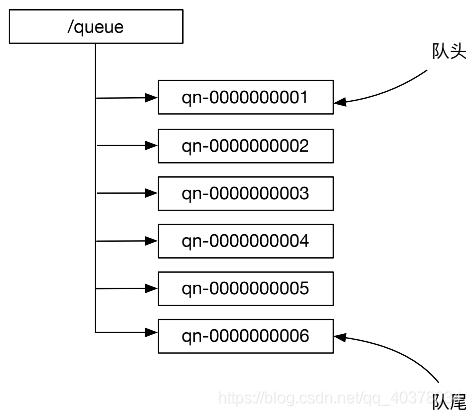
使用路徑為/queue的znode下的節(jié)點(diǎn)表示隊(duì)列中的元素。/queue下的節(jié)點(diǎn)都是順序持久化znode。這些znode名字的后綴數(shù)字表示了對(duì)應(yīng)隊(duì)列元素在隊(duì)列中的位置。znode名字后綴數(shù)字越小,對(duì)應(yīng)隊(duì)列元素在隊(duì)列中的位置越靠前
1)、offer方法
offer方法在/queue下面創(chuàng)建一個(gè)順序znode。因?yàn)閦node的后綴數(shù)字是/queue下面現(xiàn)有znode最大后綴數(shù)字加1,所以該znode對(duì)應(yīng)的隊(duì)列元素處于隊(duì)尾
public class DistributedQueue {

    public boolean offer(byte[] data) throws KeeperException, InterruptedException {
        for (; ; ) {
            try {
                zookeeper.create(dir + "/" + prefix, data, acl, CreateMode.PERSISTENT_SEQUENTIAL);
                return true;
            } catch (KeeperException.NoNodeException e) {
                zookeeper.create(dir, new byte[0], acl, CreateMode.PERSISTENT);
            }
        }
    }
2)、element方法
public class DistributedQueue {

    public byte[] element() throws NoSuchElementException, KeeperException, InterruptedException {
        Map<Long, String> orderedChildren;
        while (true) {
            try {
               //獲取所有排好序的子節(jié)點(diǎn)
                orderedChildren = orderedChildren(null);
            } catch (KeeperException.NoNodeException e) {
                throw new NoSuchElementException();
            }
            if (orderedChildren.size() == 0) {
                throw new NoSuchElementException();
            }
      //返回隊(duì)頭節(jié)點(diǎn)的數(shù)據(jù)
            for (String headNode : orderedChildren.values()) {
                if (headNode != null) {
                    try {
                        return zookeeper.getData(dir + "/" + headNode, false, null);
                    } catch (KeeperException.NoNodeException e) {
                       //另一個(gè)客戶端已經(jīng)移除了隊(duì)頭節(jié)點(diǎn),嘗試獲取下一個(gè)節(jié)點(diǎn)
                    }
                }
            }
        }
    }

    private Map<Long, String> orderedChildren(Watcher watcher) throws KeeperException, InterruptedException {
        Map<Long, String> orderedChildren = new TreeMap<>();

        List<String> childNames;
        childNames = zookeeper.getChildren(dir, watcher);

        for (String childName : childNames) {
            try {
                if (!childName.regionMatches(0, prefix, 0, prefix.length())) {
                    LOG.warn("Found child node with improper name: {}", childName);
                    continue;
                }
                String suffix = childName.substring(prefix.length());
                Long childId = Long.parseLong(suffix);
                orderedChildren.put(childId, childName);
            } catch (NumberFormatException e) {
                LOG.warn("Found child node with improper format : {}", childName, e);
            }
        }
        return orderedChildren;
    }
3)、remove方法
public class DistributedQueue {

    public byte[] remove() throws NoSuchElementException, KeeperException, InterruptedException {
        Map<Long, String> orderedChildren;
        while (true) {
            try {
               //獲取所有排好序的子節(jié)點(diǎn)
                orderedChildren = orderedChildren(null);
            } catch (KeeperException.NoNodeException e) {
                throw new NoSuchElementException();
            }
            if (orderedChildren.size() == 0) {
                throw new NoSuchElementException();
            }
      //移除隊(duì)頭節(jié)點(diǎn)
            for (String headNode : orderedChildren.values()) {
                String path = dir + "/" + headNode;
                try {
                    byte[] data = zookeeper.getData(path, false, null);
                    zookeeper.delete(path, -1);
                    return data;
                } catch (KeeperException.NoNodeException e) {
                    //另一個(gè)客戶端已經(jīng)移除了隊(duì)頭節(jié)點(diǎn),嘗試移除下一個(gè)節(jié)點(diǎn)
                }
            }
        }
    }
2、分布式鎖
1)、排他鎖
排他鎖的核心是如何保證當(dāng)前有且僅有一個(gè)事務(wù)獲取鎖,并且鎖被釋放后,所有正在等待獲取鎖的事務(wù)都能夠被通知到
定義鎖
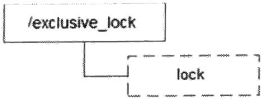
通過(guò)在ZooKeeper上創(chuàng)建一個(gè)子節(jié)點(diǎn)來(lái)表示一個(gè)鎖,例如/exclusive_lock/lock節(jié)點(diǎn)就可以被定義為一個(gè)鎖
獲取鎖
在需要獲取排他鎖時(shí),所有的客戶端都會(huì)試圖通過(guò)調(diào)用create()接口,在/exclusive_lock節(jié)點(diǎn)下創(chuàng)建臨時(shí)子節(jié)點(diǎn)/exclusive_lock/lock。ZooKeeper會(huì)保證在所有的客戶端中,最終只有一個(gè)客戶能夠創(chuàng)建成功,那么就可以認(rèn)為該客戶端獲取了鎖。
同時(shí),所有沒(méi)有獲取到鎖的客戶端就需要到/exclusive_lock節(jié)點(diǎn)上注冊(cè)一個(gè)子節(jié)點(diǎn)變更的watcher監(jiān)聽(tīng),以便實(shí)時(shí)監(jiān)聽(tīng)到lock節(jié)點(diǎn)的變更情況
釋放鎖
/exclusive_lock/lock是一個(gè)臨時(shí)節(jié)點(diǎn),因此在以下兩種情況下,都有可能釋放鎖
當(dāng)前獲取鎖的客戶端機(jī)器發(fā)生宕機(jī),那么ZooKeeper上的這個(gè)臨時(shí)節(jié)點(diǎn)就會(huì)被移除 正常執(zhí)行完業(yè)務(wù)邏輯后,客戶端就會(huì)主動(dòng)將自己創(chuàng)建的臨時(shí)節(jié)點(diǎn)刪除
無(wú)論在什么情況下移除了lock節(jié)點(diǎn),ZooKeeper都會(huì)通知所有在/exclusive_lock節(jié)點(diǎn)上注冊(cè)了子節(jié)點(diǎn)變更watcher監(jiān)聽(tīng)的客戶端。這些客戶端在接收到通知后,再次重新發(fā)起分布式鎖獲取,即重復(fù)獲取鎖過(guò)程
2)、羊群效應(yīng)
上面的排他鎖的實(shí)現(xiàn)可能引發(fā)羊群效應(yīng):當(dāng)一個(gè)特定的znode改變的時(shí)候ZooKeeper觸發(fā)了所有watcher的事件,由于通知的客戶端很多,所以通知操作會(huì)造成ZooKeeper性能突然下降,這樣會(huì)影響ZooKeeper的使用
改進(jìn)后的分布式鎖實(shí)現(xiàn)
獲取鎖
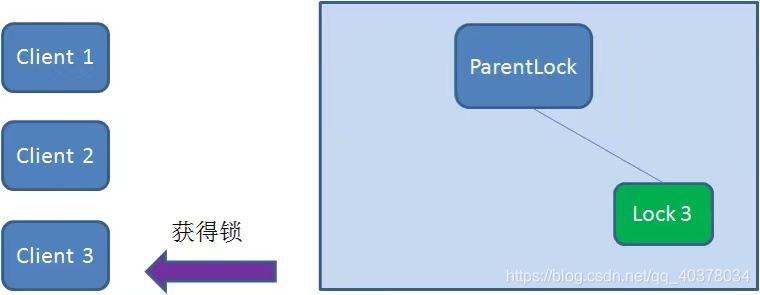
首先,在Zookeeper當(dāng)中創(chuàng)建一個(gè)持久節(jié)點(diǎn)ParentLock。當(dāng)?shù)谝粋€(gè)客戶端想要獲得鎖時(shí),需要在ParentLock這個(gè)節(jié)點(diǎn)下面創(chuàng)建一個(gè)臨時(shí)順序節(jié)點(diǎn)Lock1
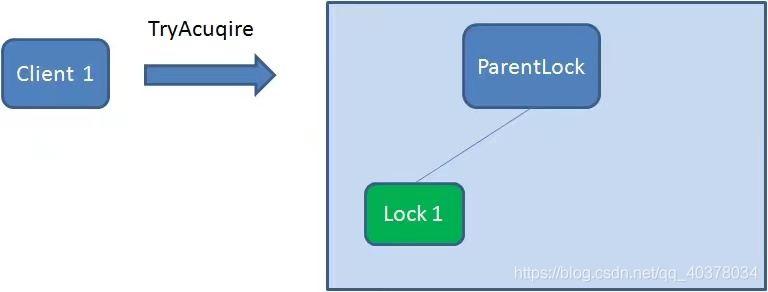
之后,Client1查找ParentLock下面所有的臨時(shí)順序節(jié)點(diǎn)并排序,判斷自己所創(chuàng)建的節(jié)點(diǎn)Lock1是不是順序最靠前的一個(gè)。如果是第一個(gè)節(jié)點(diǎn),則成功獲得鎖
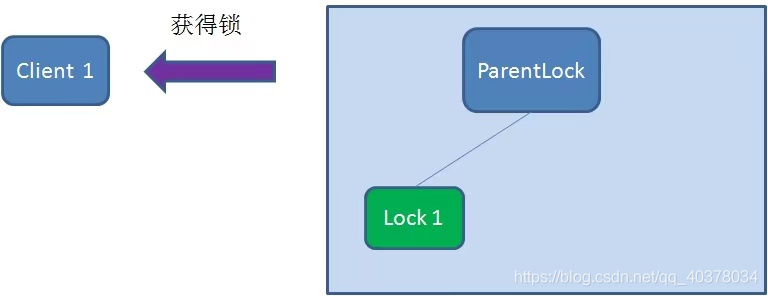
這時(shí)候,如果再有一個(gè)客戶端Client2前來(lái)獲取鎖,則在ParentLock下再創(chuàng)建一個(gè)臨時(shí)順序節(jié)點(diǎn)Lock2
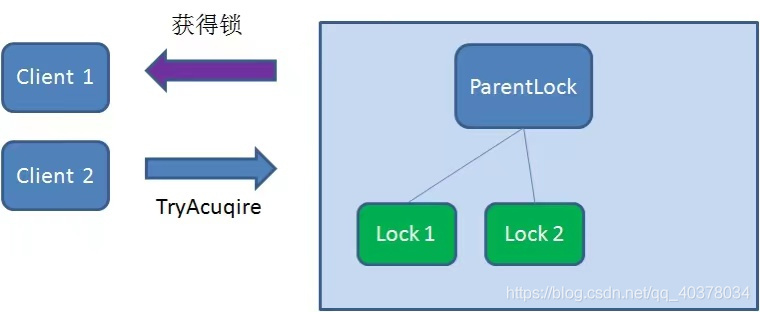
Client2查找ParentLock下面所有的臨時(shí)順序節(jié)點(diǎn)并排序,判斷自己所創(chuàng)建的節(jié)點(diǎn)Lock2是不是順序最靠前的一個(gè),結(jié)果發(fā)現(xiàn)節(jié)點(diǎn)Lock2并不是最小的
于是,Client2向排序僅比它靠前的節(jié)點(diǎn)Lock1注冊(cè)watcher,用于監(jiān)聽(tīng)Lock1節(jié)點(diǎn)是否存在。這意味著Client2搶鎖失敗,進(jìn)入了等待狀態(tài)
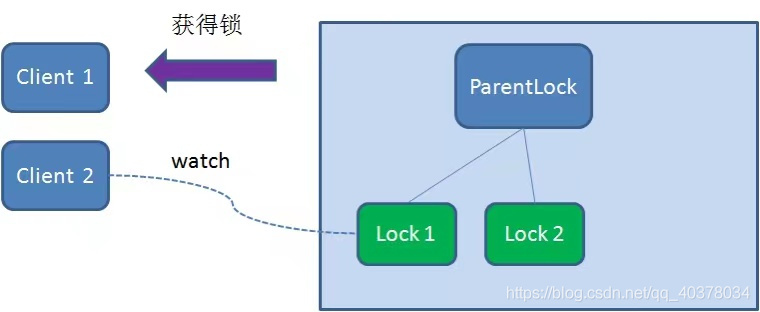
這時(shí)候,如果又有一個(gè)客戶端Client3前來(lái)獲取鎖,則在ParentLock下再創(chuàng)建一個(gè)臨時(shí)順序節(jié)點(diǎn)Lock3
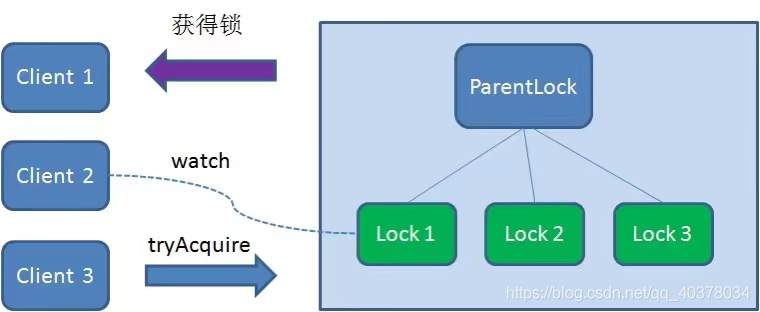
Client3查找ParentLock下面所有的臨時(shí)順序節(jié)點(diǎn)并排序,判斷自己所創(chuàng)建的節(jié)點(diǎn)Lock3是不是順序最靠前的一個(gè),結(jié)果同樣發(fā)現(xiàn)節(jié)點(diǎn)Lock3并不是最小的
于是,Client3向排序僅比它靠前的節(jié)點(diǎn)Lock2注冊(cè)watcher,用于監(jiān)聽(tīng)Lock2節(jié)點(diǎn)是否存在。這意味著Client3同樣搶鎖失敗,進(jìn)入了等待狀態(tài)
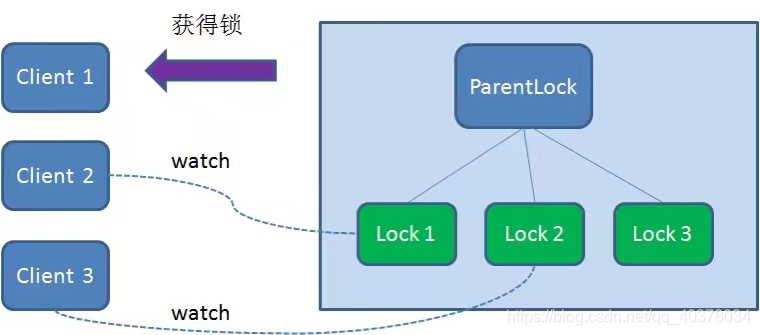
這樣一來(lái),Client1得到了鎖,Client2監(jiān)聽(tīng)了Lock1,Client3監(jiān)聽(tīng)了Lock2。這恰恰形成了一個(gè)等待隊(duì)列,很像是Java當(dāng)中ReentrantLock所依賴的AQS
釋放鎖
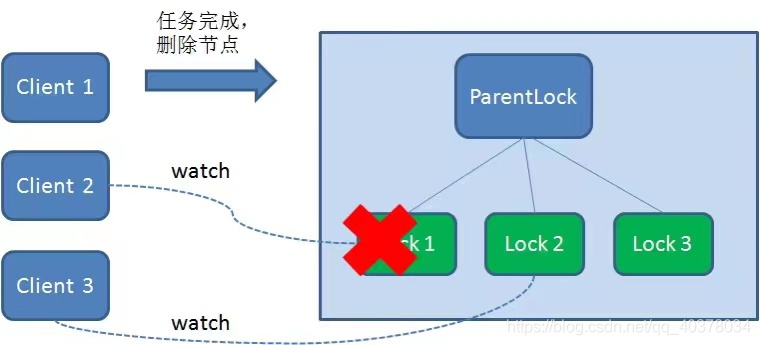
釋放鎖分為兩種情況:
1.任務(wù)完成,客戶端顯示釋放
當(dāng)任務(wù)完成時(shí),Client1會(huì)顯示調(diào)用刪除節(jié)點(diǎn)Lock1的指令
2.任務(wù)執(zhí)行過(guò)程中,客戶端崩潰
獲得鎖的Client1在任務(wù)執(zhí)行過(guò)程中,如果客戶端崩潰,則會(huì)斷開(kāi)與Zookeeper服務(wù)端的連接。根據(jù)臨時(shí)節(jié)點(diǎn)的特性,相關(guān)聯(lián)的節(jié)點(diǎn)Lock1會(huì)隨之自動(dòng)刪除
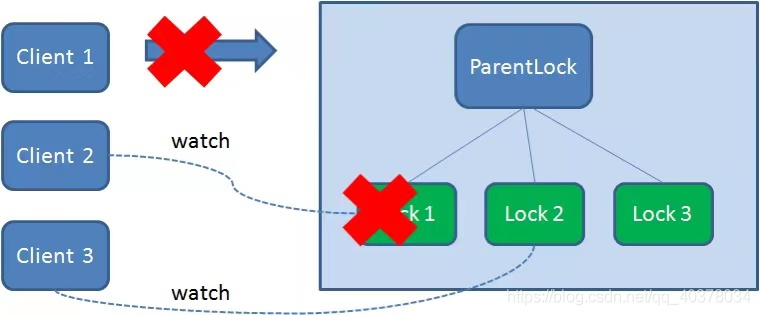
由于Client2一直監(jiān)聽(tīng)著Lock1的存在狀態(tài),當(dāng)Lock1節(jié)點(diǎn)被刪除,Client2會(huì)立刻收到通知。這時(shí)候Client2會(huì)再次查詢ParentLock下面的所有節(jié)點(diǎn),確認(rèn)自己創(chuàng)建的節(jié)點(diǎn)Lock2是不是目前最小的節(jié)點(diǎn)。如果是最小,則Client2獲得了鎖
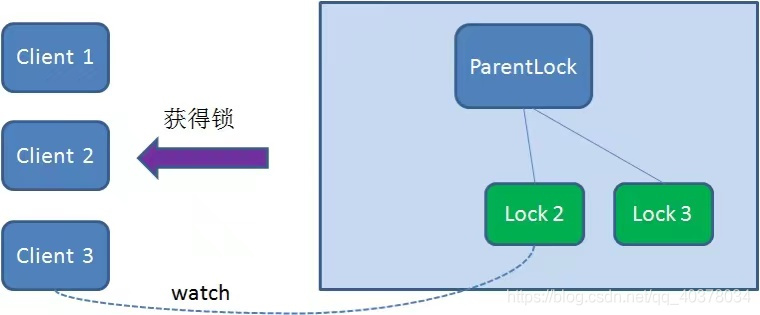
同理,如果Client2也因?yàn)槿蝿?wù)完成或者節(jié)點(diǎn)崩潰而刪除了節(jié)點(diǎn)Lock2,那么Client3就會(huì)接到通知
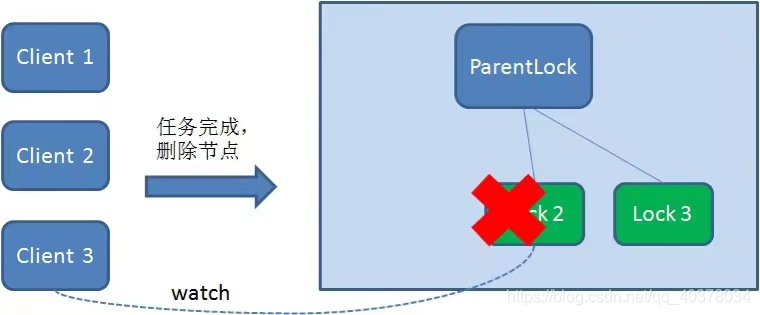
最終,Client3成功得到了鎖
3)、共享鎖
共享鎖又稱為讀鎖,在同一時(shí)刻可以允許多個(gè)線程訪問(wèn),典型的就是ReentrantReadWriteLock里的讀鎖,它的讀鎖是可以被共享的,但是它的寫鎖確實(shí)每次只能被獨(dú)占
定義鎖
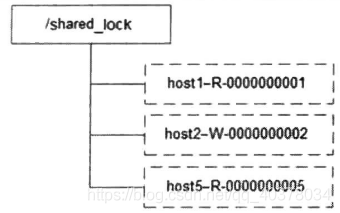
和排他鎖一樣,同樣是通過(guò)ZooKeeper上的數(shù)據(jù)節(jié)點(diǎn)來(lái)表示一個(gè)鎖,是一個(gè)類似于/shared_lock/[Hostname]-請(qǐng)求類型-序號(hào)的臨時(shí)順序節(jié)點(diǎn),例如/shared_lock/192.168.0.1-R-0000000001,那么,這個(gè)節(jié)點(diǎn)就代表了一個(gè)共享鎖,如下圖所示:
獲取鎖
在需要獲取共享鎖時(shí),所有客戶端都會(huì)到/shared_lock這個(gè)節(jié)點(diǎn)下面創(chuàng)建一個(gè)臨時(shí)順序節(jié)點(diǎn),如果當(dāng)前是讀請(qǐng)求,那么就創(chuàng)建例如/shared_lock/192.168.0.1-R-0000000001的節(jié)點(diǎn);如果是寫請(qǐng)求,那么就創(chuàng)建例如/shared_lock/192.168.0.1-W-0000000001的節(jié)點(diǎn)
判斷讀寫順序
每個(gè)鎖競(jìng)爭(zhēng)者,只需要關(guān)注/shared_lock節(jié)點(diǎn)下序號(hào)比自己小的那個(gè)節(jié)點(diǎn)是否存在即可,具體實(shí)現(xiàn)如下:
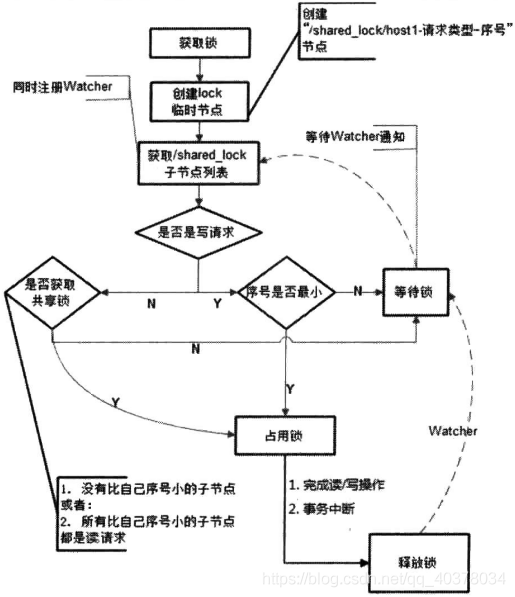
1)客戶端調(diào)用create()方法創(chuàng)建一個(gè)類似于/shared_lock/[Hostname]-請(qǐng)求類型-序號(hào)的臨時(shí)順序節(jié)點(diǎn)
2)客戶端調(diào)用getChildren()接口來(lái)獲取所有已經(jīng)創(chuàng)建的子節(jié)點(diǎn)列表
3)判斷是否可以獲取共享鎖:
讀請(qǐng)求:沒(méi)有比自己序號(hào)小的節(jié)點(diǎn)或者所有比自己序號(hào)小的節(jié)點(diǎn)都是讀請(qǐng)求 寫請(qǐng)求:序號(hào)是否最小
4)如果無(wú)法獲取共享鎖,那么就調(diào)用exist()來(lái)對(duì)比自己小的那個(gè)節(jié)點(diǎn)注冊(cè)watcher
讀請(qǐng)求:向比自己序號(hào)小的最后一個(gè)寫請(qǐng)求節(jié)點(diǎn)注冊(cè)watcher監(jiān)聽(tīng) 寫請(qǐng)求:向比自己序號(hào)小的最后一個(gè)節(jié)點(diǎn)注冊(cè)watcher監(jiān)聽(tīng)
5)等待watcher通知,繼續(xù)進(jìn)入步驟2
釋放鎖
釋放鎖的邏輯和排他鎖是一致的
整個(gè)共享鎖的獲取和釋放流程如下圖:
4)、排他鎖源碼解析
1)加鎖過(guò)程
public class WriteLock extends ProtocolSupport {

    public synchronized boolean lock() throws KeeperException, InterruptedException {
        if (isClosed()) {
            return false;
        }
       //確認(rèn)持久父節(jié)點(diǎn)是否存在
        ensurePathExists(dir);

       //真正獲取鎖的邏輯 調(diào)用ProtocolSupport的retryOperation()方法
        return (Boolean) retryOperation(zop);
    }
class ProtocolSupport {

    protected Object retryOperation(ZooKeeperOperation operation)
        throws KeeperException, InterruptedException {
        KeeperException exception = null;
        for (int i = 0; i < RETRY_COUNT; i++) {
            try {
               //調(diào)用LockZooKeeperOperation的execute()方法
                return operation.execute();
            } catch (KeeperException.SessionExpiredException e) {
                LOG.warn("Session expired {}. Reconnecting...", zookeeper, e);
                throw e;
            } catch (KeeperException.ConnectionLossException e) {
                if (exception == null) {
                    exception = e;
                }
                LOG.debug("Attempt {} failed with connection loss. Reconnecting...", i);
                retryDelay(i);
            }
        }

        throw exception;
    }
public class WriteLock extends ProtocolSupport {

    private class LockZooKeeperOperation implements ZooKeeperOperation {

        private void findPrefixInChildren(String prefix, ZooKeeper zookeeper, String dir)
            throws KeeperException, InterruptedException {
            List<String> names = zookeeper.getChildren(dir, false);
            for (String name : names) {
                if (name.startsWith(prefix)) {
                    id = name;
                    LOG.debug("Found id created last time: {}", id);
                    break;
                }
            }
            if (id == null) {
                id = zookeeper.create(dir + "/" + prefix, data, getAcl(), EPHEMERAL_SEQUENTIAL);

                LOG.debug("Created id: {}", id);
            }

        }

        @SuppressFBWarnings(
            value = "NP_NULL_PARAM_DEREF_NONVIRTUAL",
            justification = "findPrefixInChildren will assign a value to this.id")
        public boolean execute() throws KeeperException, InterruptedException {
            do {
                if (id == null) {
                    long sessionId = zookeeper.getSessionId();
                    String prefix = "x-" + sessionId + "-";
                   //創(chuàng)建臨時(shí)順序節(jié)點(diǎn)
                    findPrefixInChildren(prefix, zookeeper, dir);
                    idName = new ZNodeName(id);
                }
               //獲取所有子節(jié)點(diǎn)
                List<String> names = zookeeper.getChildren(dir, false);
                if (names.isEmpty()) {
                    LOG.warn("No children in: {} when we've just created one! Lets recreate it...", dir);
                    id = null;
                } else {
                   //對(duì)所有子節(jié)點(diǎn)進(jìn)行排序
                    SortedSet<ZNodeName> sortedNames = new TreeSet<>();
                    for (String name : names) {
                        sortedNames.add(new ZNodeName(dir + "/" + name));
                    }
                    ownerId = sortedNames.first().getName();
                    SortedSet<ZNodeName> lessThanMe = sortedNames.headSet(idName);
                   //是否存在序號(hào)比自己小的節(jié)點(diǎn)
                    if (!lessThanMe.isEmpty()) {
                        ZNodeName lastChildName = lessThanMe.last();
                        lastChildId = lastChildName.getName();
                        LOG.debug("Watching less than me node: {}", lastChildId);
                       //有序號(hào)比自己小的節(jié)點(diǎn),則調(diào)用exist()向前一個(gè)節(jié)點(diǎn)注冊(cè)watcher
                        Stat stat = zookeeper.exists(lastChildId, new LockWatcher());
                        if (stat != null) {
                            return Boolean.FALSE;
                        } else {
                            LOG.warn("Could not find the stats for less than me: {}", lastChildName.getName());
                        }
                    }
                   //沒(méi)有序號(hào)比自己小的節(jié)點(diǎn),則獲取鎖
                   else {
                        if (isOwner()) {
                            LockListener lockListener = getLockListener();
                            if (lockListener != null) {
                                lockListener.lockAcquired();
                            }
                            return Boolean.TRUE;
                        }
                    }
                }
            }
            while (id == null);
            return Boolean.FALSE;
        }
2)解鎖過(guò)程
public class WriteLock extends ProtocolSupport {

    public synchronized void unlock() throws RuntimeException {

        if (!isClosed() && id != null) {
            try {
        //刪除當(dāng)前節(jié)點(diǎn),此時(shí)會(huì)觸發(fā)后一個(gè)節(jié)點(diǎn)的watcher
                ZooKeeperOperation zopdel = () -> {
                    zookeeper.delete(id, -1);
                    return Boolean.TRUE;
                };
                zopdel.execute();
            } catch (InterruptedException e) {
                LOG.warn("Unexpected exception", e);
                Thread.currentThread().interrupt();
            } catch (KeeperException.NoNodeException e) {
            } catch (KeeperException e) {
                LOG.warn("Unexpected exception", e);
                throw new RuntimeException(e.getMessage(), e);
            } finally {
                LockListener lockListener = getLockListener();
                if (lockListener != null) {
                    lockListener.lockReleased();
                }
                id = null;
            }
        }
    }
3、選舉
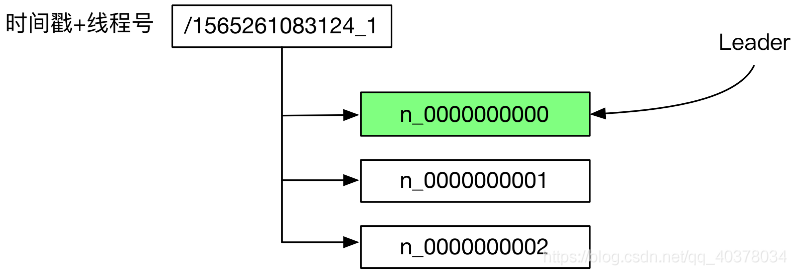
使用臨時(shí)順序znode來(lái)表示選舉請(qǐng)求,創(chuàng)建最小后綴數(shù)字znode的選舉請(qǐng)求成功。在協(xié)同設(shè)計(jì)上和分布式鎖是一樣的,不同之處在于具體實(shí)現(xiàn)。不同于分布式鎖,選舉的具體實(shí)現(xiàn)對(duì)選舉的各個(gè)階段做了細(xì)致的監(jiān)控
public class LeaderElectionSupport implements Watcher {

    public synchronized void start() {
        state = State.START;
        dispatchEvent(EventType.START);

        LOG.info("Starting leader election support");

        if (zooKeeper == null) {
            throw new IllegalStateException(
                "No instance of zookeeper provided. Hint: use setZooKeeper()");
        }

        if (hostName == null) {
            throw new IllegalStateException(
                "No hostname provided. Hint: use setHostName()");
        }

        try {
           //發(fā)起選舉請(qǐng)求 創(chuàng)建臨時(shí)順序節(jié)點(diǎn)
            makeOffer();
           //選舉請(qǐng)求是否被滿足
            determineElectionStatus();
        } catch (KeeperException | InterruptedException e) {
            becomeFailed(e);
        }
    }

    private void makeOffer() throws KeeperException, InterruptedException {
        state = State.OFFER;
        dispatchEvent(EventType.OFFER_START);

        LeaderOffer newLeaderOffer = new LeaderOffer();
        byte[] hostnameBytes;
        synchronized (this) {
            newLeaderOffer.setHostName(hostName);
            hostnameBytes = hostName.getBytes();
            newLeaderOffer.setNodePath(zooKeeper.create(rootNodeName + "/" + "n_",
                                                        hostnameBytes, ZooDefs.Ids.OPEN_ACL_UNSAFE,
                                                        CreateMode.EPHEMERAL_SEQUENTIAL));
            leaderOffer = newLeaderOffer;
        }
        LOG.debug("Created leader offer {}", leaderOffer);

        dispatchEvent(EventType.OFFER_COMPLETE);
    }

    private void determineElectionStatus() throws KeeperException, InterruptedException {

        state = State.DETERMINE;
        dispatchEvent(EventType.DETERMINE_START);

        LeaderOffer currentLeaderOffer = getLeaderOffer();

        String[] components = currentLeaderOffer.getNodePath().split("/");

        currentLeaderOffer.setId(Integer.valueOf(components[components.length - 1].substring("n_".length())));
    //獲取所有子節(jié)點(diǎn)并排序
        List<LeaderOffer> leaderOffers = toLeaderOffers(zooKeeper.getChildren(rootNodeName, false));

        for (int i = 0; i < leaderOffers.size(); i++) {
            LeaderOffer leaderOffer = leaderOffers.get(i);

            if (leaderOffer.getId().equals(currentLeaderOffer.getId())) {
                LOG.debug("There are {} leader offers. I am {} in line.", leaderOffers.size(), i);

                dispatchEvent(EventType.DETERMINE_COMPLETE);

               //如果當(dāng)前節(jié)點(diǎn)是第一個(gè),則成為L(zhǎng)eader
                if (i == 0) {
                    becomeLeader();
                }
               //如果有選舉請(qǐng)求在當(dāng)前節(jié)點(diǎn)前面,則進(jìn)行等待,調(diào)用exist()向前一個(gè)節(jié)點(diǎn)注冊(cè)watcher
               else {
                    becomeReady(leaderOffers.get(i - 1));
                }
                break;
            }
        }
    }
1. 4 款 MySQL 調(diào)優(yōu)工具,公司大神都在用!
最近面試BAT,整理一份面試資料《Java面試BATJ通關(guān)手冊(cè)》,覆蓋了Java核心技術(shù)、JVM、Java并發(fā)、SSM、微服務(wù)、數(shù)據(jù)庫(kù)、數(shù)據(jù)結(jié)構(gòu)等等。
獲取方式:點(diǎn)“在看”,關(guān)注公眾號(hào)并回復(fù) Java 領(lǐng)取,更多內(nèi)容陸續(xù)奉上。
文章有幫助的話,在看,轉(zhuǎn)發(fā)吧。
謝謝支持喲 (*^__^*)
