
如何有效防止SQL注入攻擊
SQL注入攻擊是黑客對(duì)數(shù)據(jù)庫進(jìn)行攻擊常用的手段之一,隨著B/S模式應(yīng)用開發(fā)的發(fā)展,使用這種模式編寫應(yīng)用程序的程序員也越來越多。但是由于程序員的水平及經(jīng)驗(yàn)參差不齊,相當(dāng)大一部分程序員在編寫代碼的時(shí)候,沒有對(duì)用戶輸入數(shù)據(jù)的合法性進(jìn)行判斷,使應(yīng)用程序存在安全隱患。用戶可以提交一段數(shù)據(jù)庫查詢代碼,根據(jù)程序返回的結(jié)果,獲得某些他想獲取的數(shù)據(jù),這就是所謂的SQL Injection,即SQL注入。
一 背景
假如某高校開發(fā)了一個(gè)網(wǎng)課系統(tǒng),要求學(xué)生選課后完成學(xué)習(xí),數(shù)據(jù)庫中有一張表course,這張表存放著每個(gè)學(xué)生的選課信息及完成情況,具體設(shè)計(jì)如下:
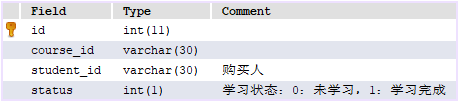
數(shù)據(jù)如下:
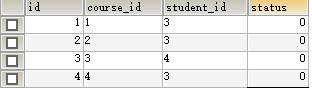
本系統(tǒng)采用mysql做為數(shù)據(jù)庫,使用Jdbc來進(jìn)行數(shù)據(jù)庫的相關(guān)操作。系統(tǒng)提供了一個(gè)功能查詢該學(xué)生的課程完成情況,代碼如下。
@RestController
public?class?Controller?{
????@Autowired
????SqlInject?sqlInject;
????@GetMapping("list")
????public?List?courseList(@RequestParam("studentId")?String?studentId) {
????????List?orders?=?sqlInject.orderList(studentId);
????????return?orders;
????}
}
@Service
public?class?SqlInject?{
????@Autowired
????private?JdbcTemplate?jdbcTemplate;
????public?List?orderList(String?studentId) {
????????String?sql?=?"select?id,course_id,student_id,status?from?course?where?student_id?=?"+?studentId;
????????return?jdbcTemplate.query(sql,new?BeanPropertyRowMapper(Course.class));
????}
}
二 注入攻擊演示
1. 正常情況下查詢一個(gè)學(xué)生所選課程及完成情況只需要傳入student_id,便可以查到相關(guān)數(shù)據(jù)。
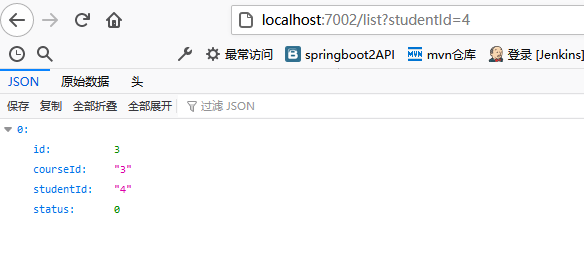
根據(jù)響應(yīng)結(jié)果,我們很快便能寫出對(duì)應(yīng)的sql,如下:
select?id,course_id,student_id,status?
from?course?
where?student_id?=?4
2. 如果我們想要獲取這張表的所有數(shù)據(jù),只需要保證上面這個(gè)sql的where條件恒真就可以了。
select?id,course_id,student_id,status?
from?course?
where?student_id?=?4?or?1?=?1?
請(qǐng)求接口的時(shí)候?qū)?code style="font-size: inherit;line-height: inherit;overflow-wrap: break-word;padding: 2px 4px;border-radius: 4px;margin-right: 2px;margin-left: 2px;color: rgb(248, 35, 117);background: rgb(248, 248, 248);">studendId 設(shè)置為4 or 1 = 1,這樣這條sql的where條件就恒真了。sql也就等同于下面這樣
select?id,course_id,student_id,status?
from?course?
請(qǐng)求結(jié)果如下,我們拿到了這張表的所有數(shù)據(jù)

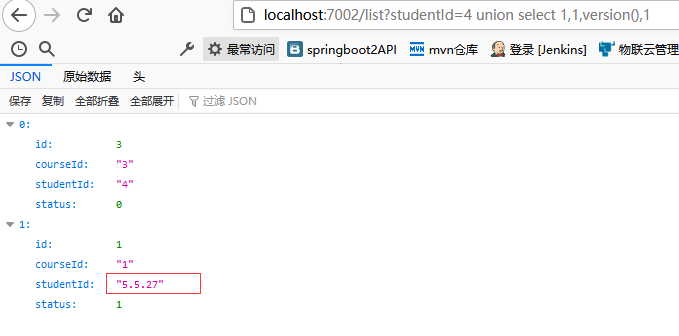
3. 查詢mysql版本號(hào),使用union拼接sql
union?select?1,1,version(),1
4. 查詢數(shù)據(jù)庫名
union?select?1,1,database(),1

5. 查詢mysql當(dāng)前用戶的所有庫
union?select?1,1,?(SELECT?GROUP_CONCAT(schema_name)?FROM?information_schema.schemata)?schemaName,1
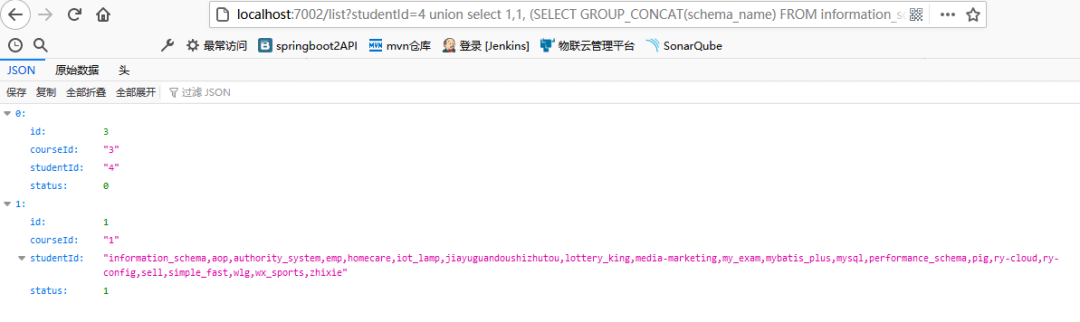
看完上面這些演示后,你害怕了嗎?你所有的數(shù)據(jù)配置都完全暴露出來了,除此之外,還可以完成很多操作,更新數(shù)據(jù)、刪庫、刪表等等。
三 如何防止sql注入
1. 代碼層防止sql注入攻擊的最佳方案就是sql預(yù)編譯
public?List?orderList(String?studentId) {
????String?sql?=?"select?id,course_id,student_id,status?from?course?where?student_id?=??";
????return?jdbcTemplate.query(sql,new?Object[]{studentId},new?BeanPropertyRowMapper(Course.class));
}
這樣我們傳進(jìn)來的參數(shù) 4 or 1 = 1就會(huì)被當(dāng)作是一個(gè)student_id,所以就不會(huì)出現(xiàn)sql注入了。
2. 確認(rèn)每種數(shù)據(jù)的類型,比如是數(shù)字,數(shù)據(jù)庫則必須使用int類型來存儲(chǔ)
3. 規(guī)定數(shù)據(jù)長度,能在一定程度上防止sql注入
4. 嚴(yán)格限制數(shù)據(jù)庫權(quán)限,能最大程度減少sql注入的危害
5. 避免直接響應(yīng)一些sql異常信息,sql發(fā)生異常后,自定義異常進(jìn)行響應(yīng)
6. 過濾參數(shù)中含有的一些數(shù)據(jù)庫關(guān)鍵詞
@Component
public?class?SqlInjectionFilter?implements?Filter?{
????@Override
????public?void?doFilter(ServletRequest?servletRequest,?ServletResponse?servletResponse,?FilterChain?chain)?throws?IOException,?ServletException?{
????????HttpServletRequest?req=(HttpServletRequest)servletRequest;
????????HttpServletRequest?res=(HttpServletRequest)servletResponse;
????????//獲得所有請(qǐng)求參數(shù)名
????????Enumeration?params?=?req.getParameterNames();
????????String?sql?=?"";
????????while?(params.hasMoreElements())?{
????????????//?得到參數(shù)名
????????????String?name?=?params.nextElement().toString();
????????????//?得到參數(shù)對(duì)應(yīng)值
????????????String[]?value?=?req.getParameterValues(name);
????????????for?(int?i?=?0;?i?????????????????sql?=?sql?+?value[i];
????????????}
????????}
????????if?(sqlValidate(sql))?{
????????????throw?new?IOException("您發(fā)送請(qǐng)求中的參數(shù)中含有非法字符");
????????}?else?{
????????????chain.doFilter(servletRequest,servletResponse);
????????}
????}

????/**
?????*?關(guān)鍵詞校驗(yàn)
?????*?@param?str
?????*?@return
?????*/
????protected?static?boolean?sqlValidate(String?str)?{
????????//?統(tǒng)一轉(zhuǎn)為小寫
????????str?=?str.toLowerCase();
????????//?過濾掉的sql關(guān)鍵字,可以手動(dòng)添加
????????String?badStr?=?"'|and|exec|execute|insert|select|delete|update|count|drop|*|%|chr|mid|master|truncate|"?+
????????????????"char|declare|sitename|net?user|xp_cmdshell|;|or|-|+|,|like'|and|exec|execute|insert|create|drop|"?+
????????????????"table|from|grant|use|group_concat|column_name|"?+
????????????????"information_schema.columns|table_schema|union|where|select|delete|update|order|by|count|*|"?+
????????????????"chr|mid|master|truncate|char|declare|or|;|-|--|+|,|like|//|/|%|#";
????????String[]?badStrs?=?badStr.split("\\|");
????????for?(int?i?=?0;?i?????????????if?(str.indexOf(badStrs[i])?>=?0)?{
????????????????return?true;
????????????}
????????}
????????return?false;
????}
}