
14種方式,34個案例:對比SQL,學習Pandas操作
↑?關(guān)注 + 星標?,每天學Python新技能
后臺回復【大禮包】送你Python自學大禮包
大家好,我是龍哥!
本文主題:對比SQL,學習Pandas操作!
在SQL中查詢數(shù)據(jù)的時候我們所有各種操作,主要是通過select、where、group by等多個關(guān)鍵詞的組合查詢來實現(xiàn)的。本文中介紹的如何在相同的需求下,通過pandas來實現(xiàn)取數(shù)操作。

比較方向
查詢?nèi)繑?shù)據(jù) 前N條 后N條 中間段數(shù)據(jù) 部分字段 指定等式條件 指定不等式條件 取反操作 指定多個條件 指定計算等式 模糊查詢 排序 分組統(tǒng)計 取別名
模擬數(shù)據(jù)
在數(shù)據(jù)庫中,我們先模擬了3份數(shù)據(jù):
1、學生信息表
--?學生信息

mysql>?select?*??from?Student;
+------+--------+------------+-------+
|?s_id?|?s_name?|?s_birth????|?s_sex?|
+------+--------+------------+-------+
|?01???|?趙雷???|?1990-01-01?|?男????|
|?02???|?錢電???|?1990-12-21?|?男????|
|?03???|?孫風???|?1990-05-20?|?男????|
|?04???|?李云???|?1990-08-06?|?男????|
|?05???|?周梅???|?1991-12-01?|?女????|
|?06???|?吳蘭???|?1992-03-01?|?女????|
|?07???|?鄭竹???|?1989-07-02?|?女????|
|?08???|?王菊???|?1990-01-20?|?女????|
+------+--------+------------+-------+
8?rows?in?set?(0.00?sec)
2、一份用戶表

3、一份水果商品價格表
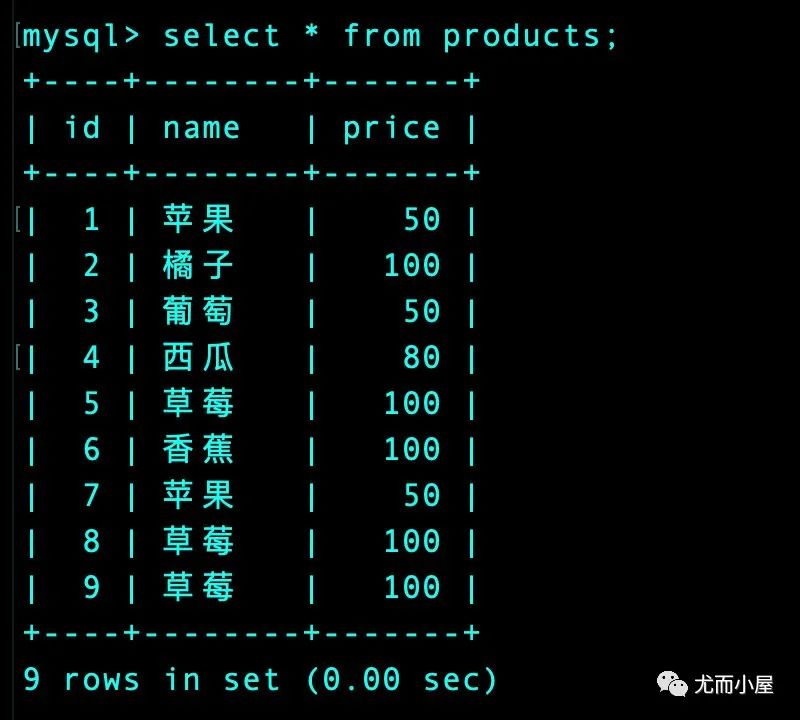
下面開始介紹不同需求下基于pandas和SQL的取數(shù)實現(xiàn)
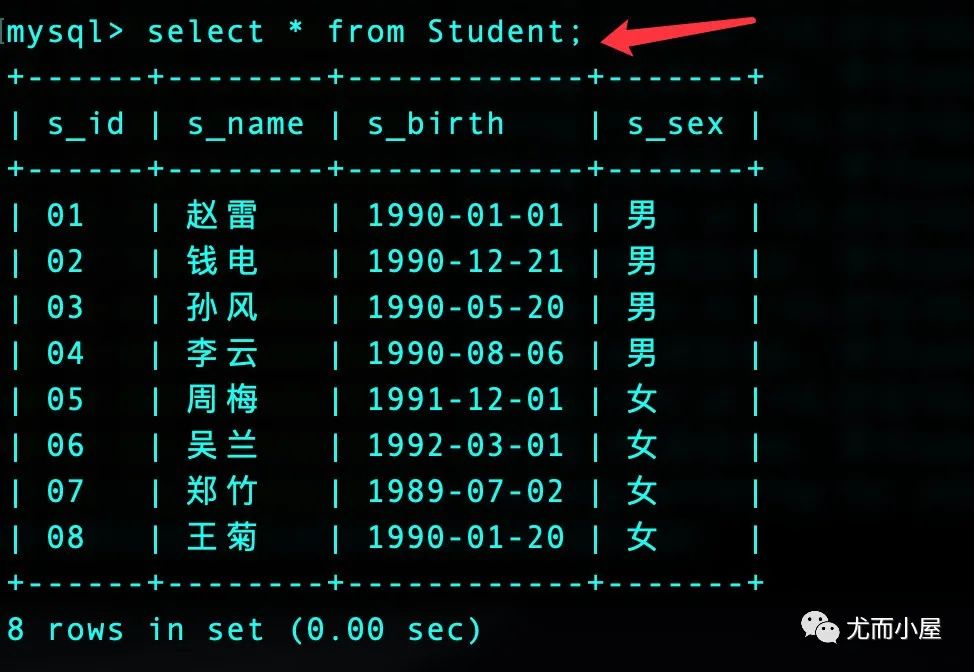
取出全部數(shù)據(jù)
SQL實現(xiàn)
select?*??from?Student;
Pandas實現(xiàn)
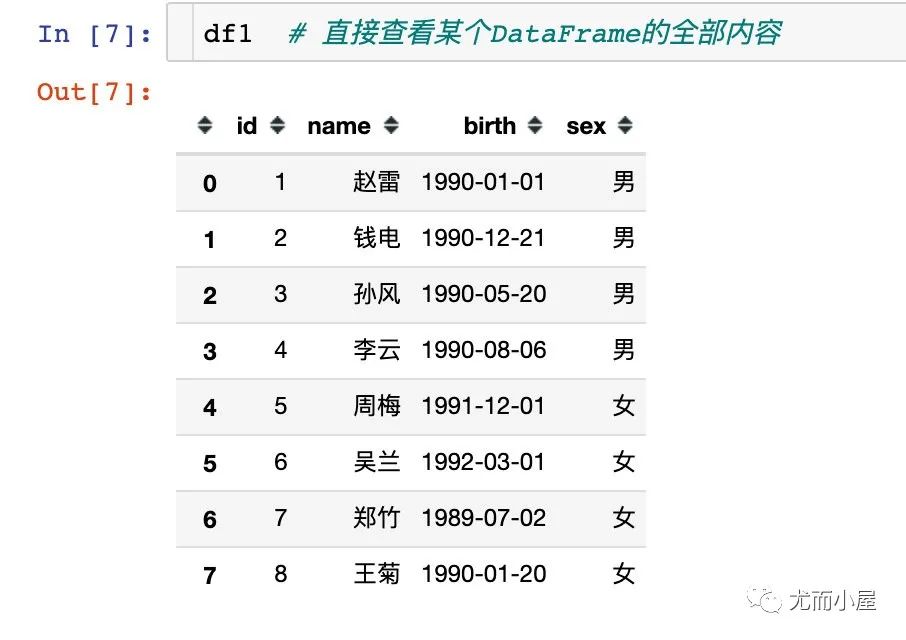
前N條數(shù)據(jù)
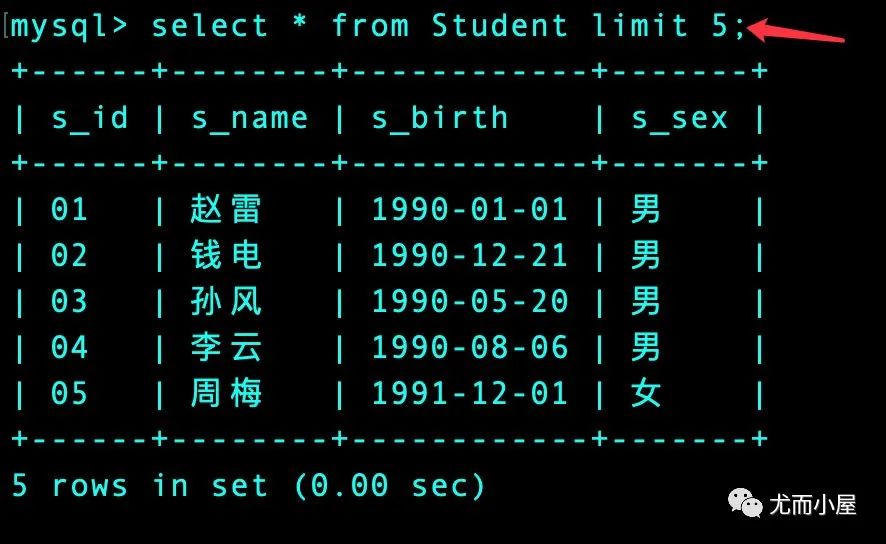
SQL實現(xiàn)
查看前5條數(shù)據(jù):
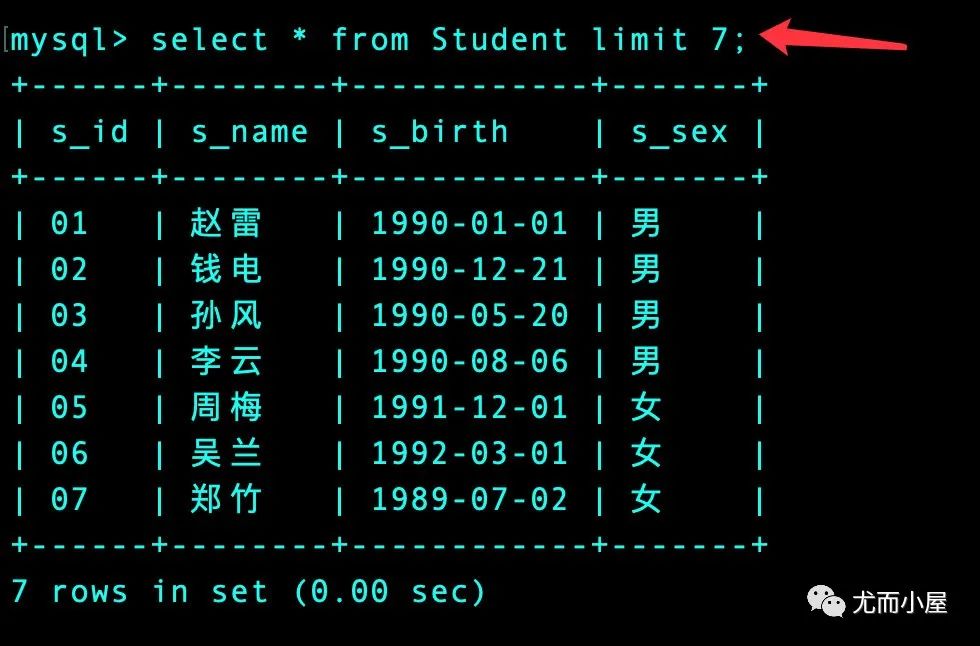
Pandas實現(xiàn)
head方法默認是前5條:
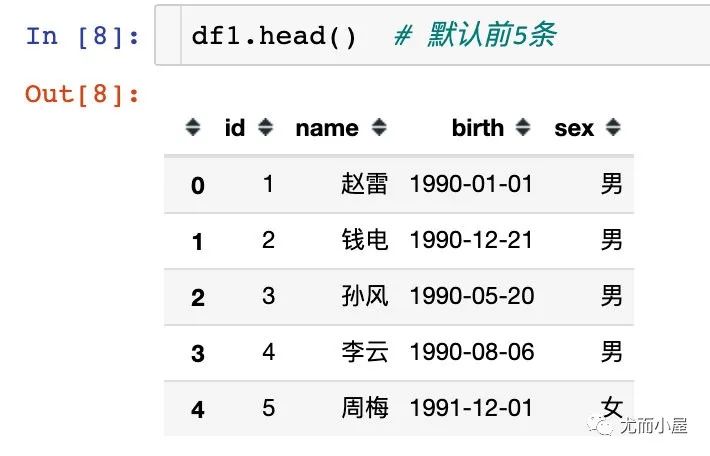
指定查看前7條數(shù)據(jù):

后N條數(shù)據(jù)
select?*?
from?(select?*?from?Student?
??????order?by?s_id?desc?
??????limit?5)t???--?臨時結(jié)果表:倒序輸出的最后5條
order?by?s_id;??--?再使用一次排序,將順序還原

Pandas實現(xiàn)
tail方法默認是后5條:
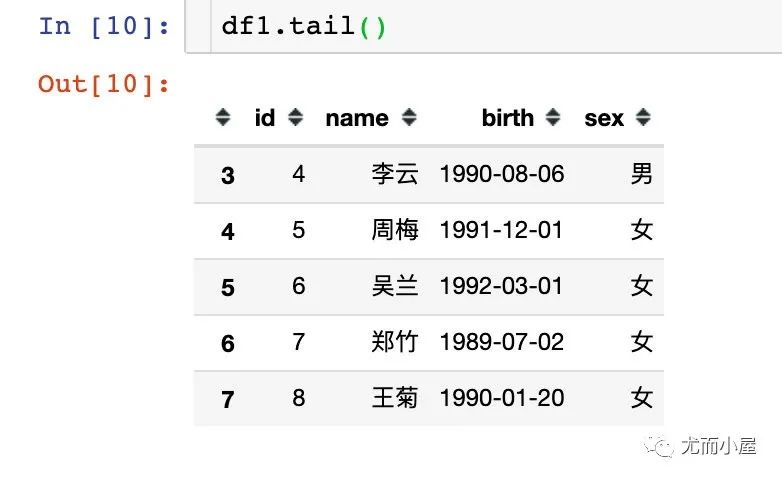
指定查看4條

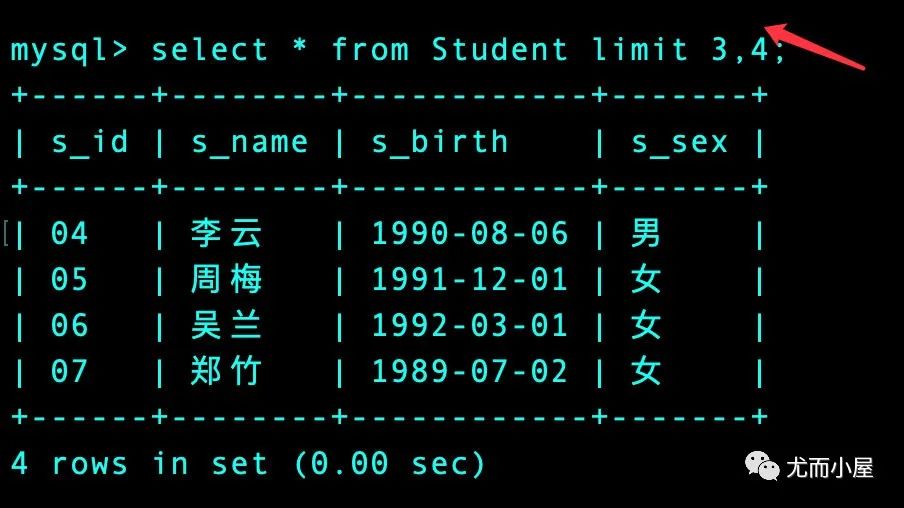
切片數(shù)據(jù)
SQL實現(xiàn)
Pandas實現(xiàn)
使用pandas中的切片來查看某個連續(xù)區(qū)間內(nèi)的數(shù)據(jù):

取出部分字段
SQL實現(xiàn)
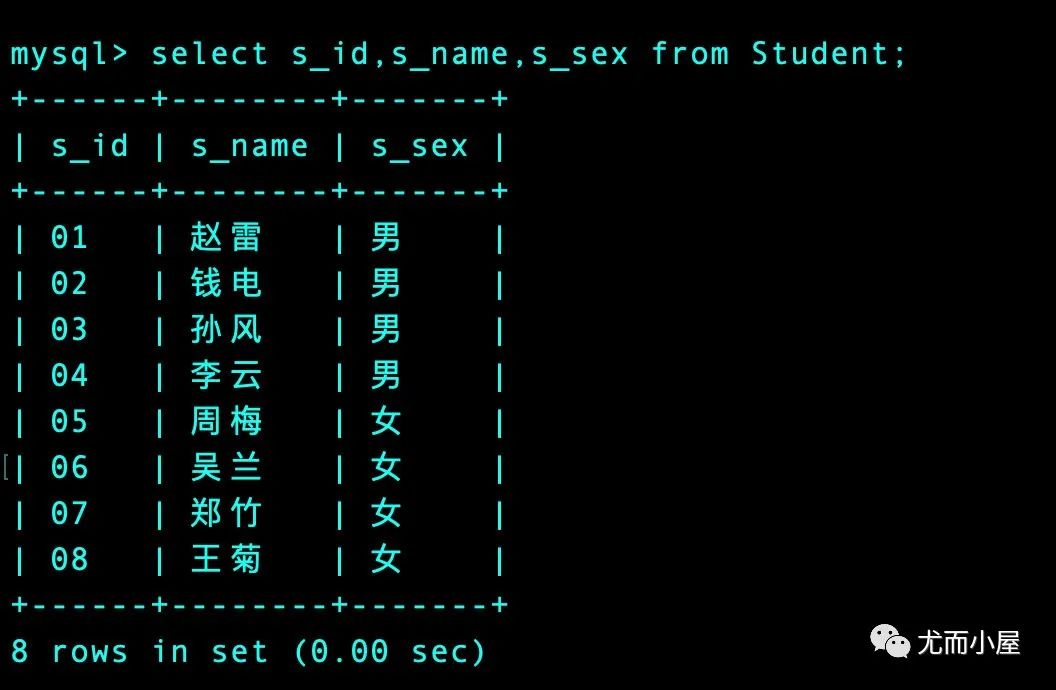
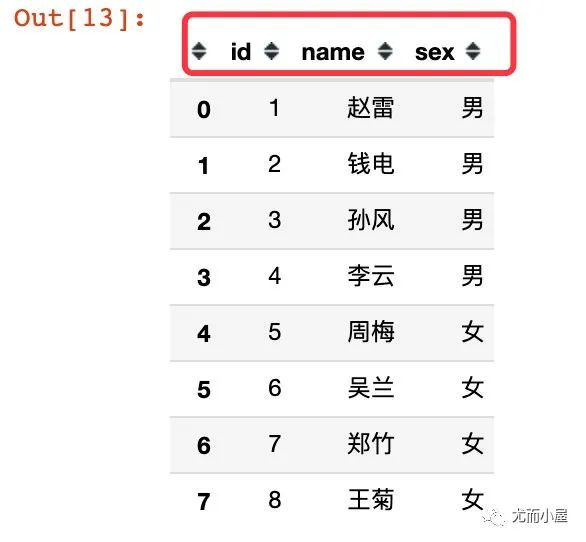
Pandas實現(xiàn)
df1[["id","name","sex"]]??#?方式1

df2.filter(items=["id","age","createtime"])???#?方式2
指定等式條件
SQL實現(xiàn)
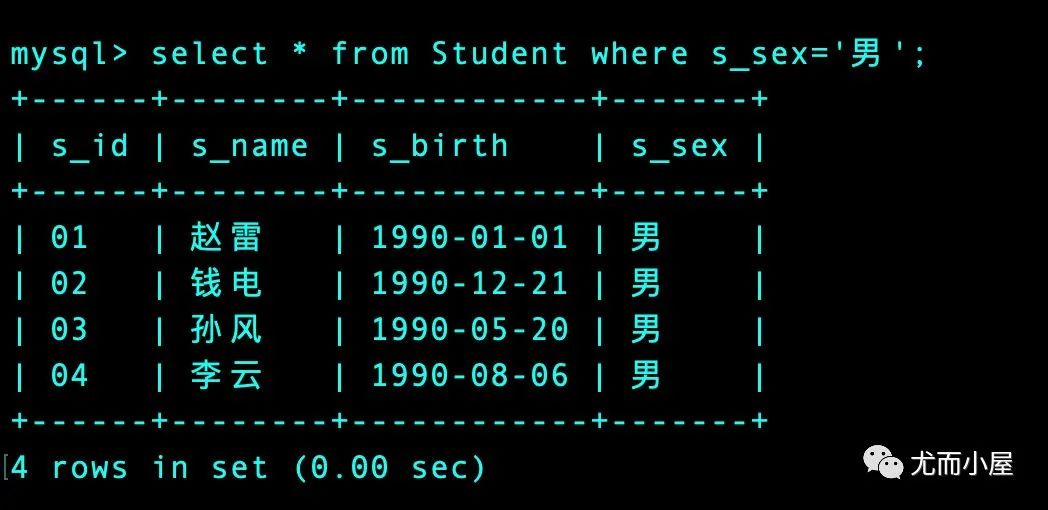

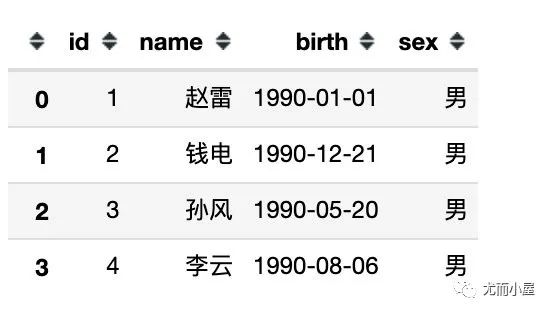
Pandas實現(xiàn)
df1[df1["sex"]?==?"男"]??#?方式1
df1.query('sex=="男"')???#?方式2
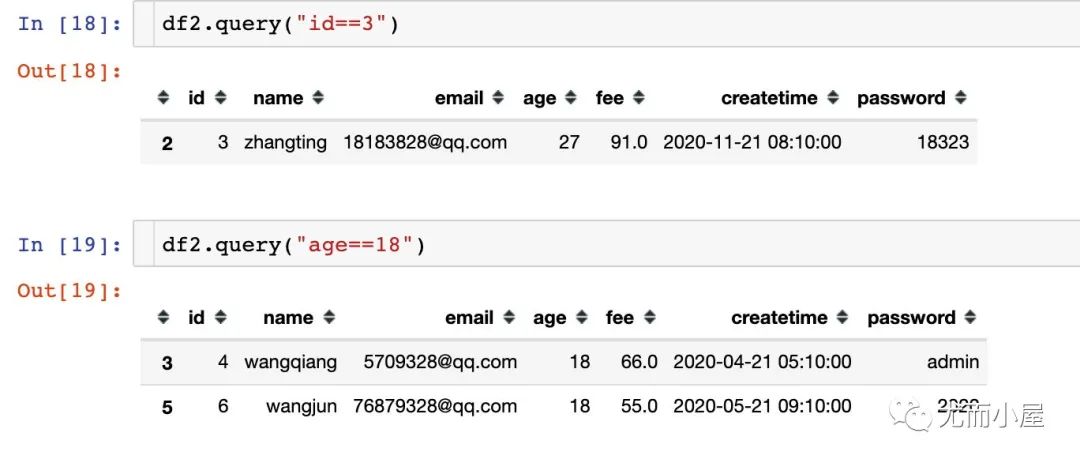
指定id號或者年齡age:
指定不等式條件
SQL實現(xiàn)
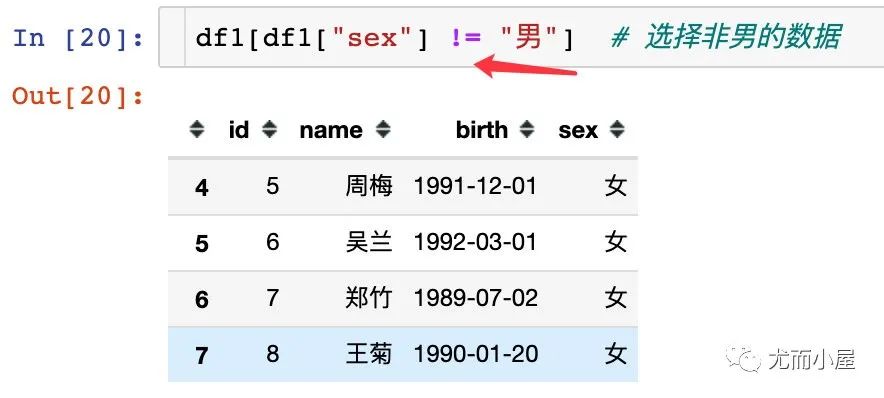
select?*?from?Student?where?s_sex!=?"男";
select?*?from?user?where?age?>?18;
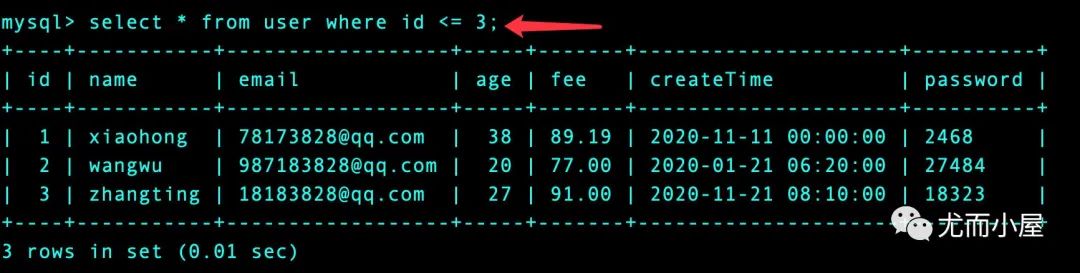
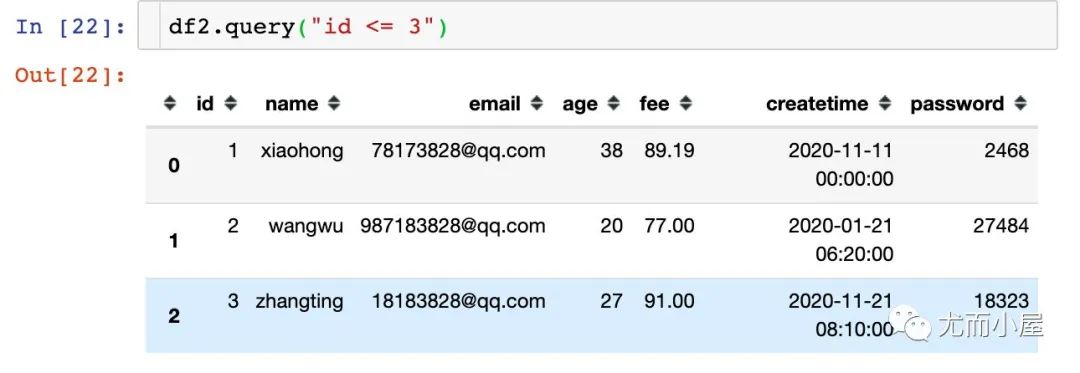
select?*?from?user?where?id?<=?3;?
Pandas實現(xiàn)

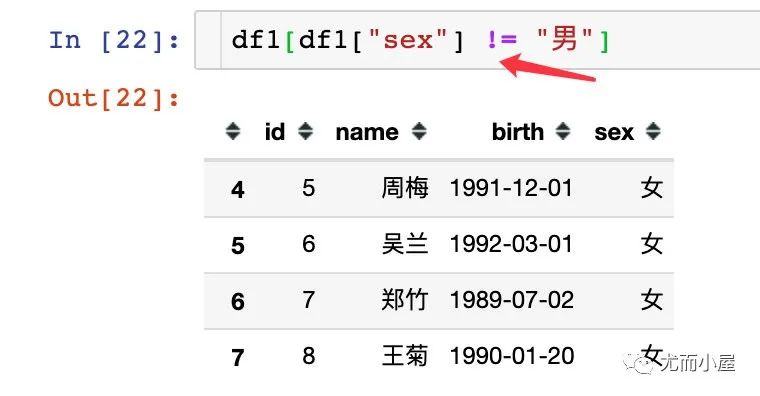
取反操作
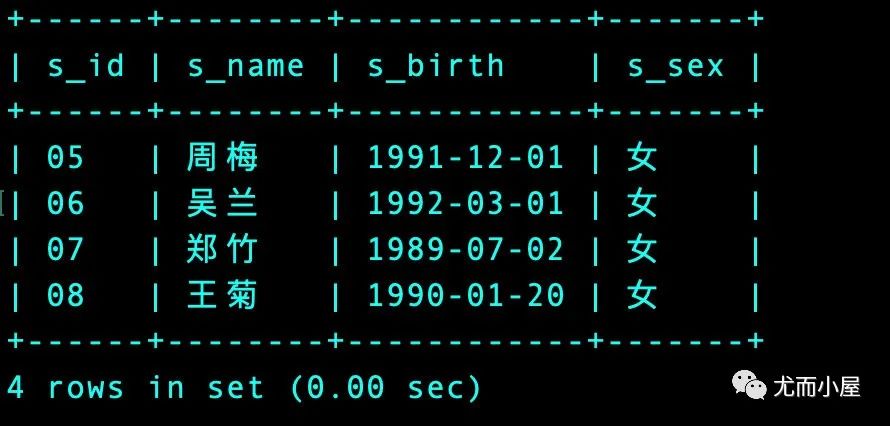
SQL實現(xiàn)
mysql>?select?*?from?Student?where?s_sex?!=?"男";
Pandas實現(xiàn)
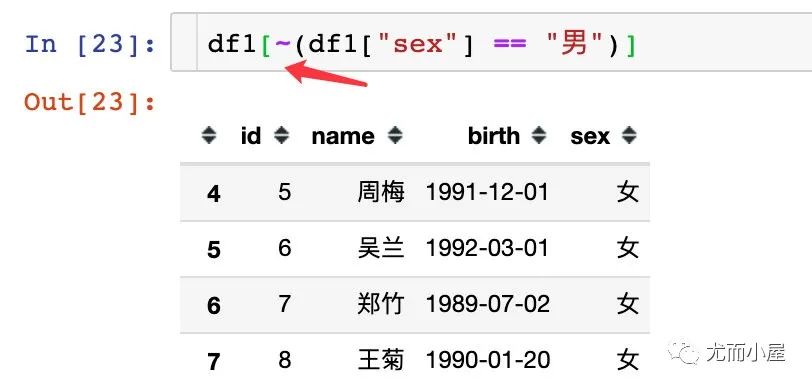
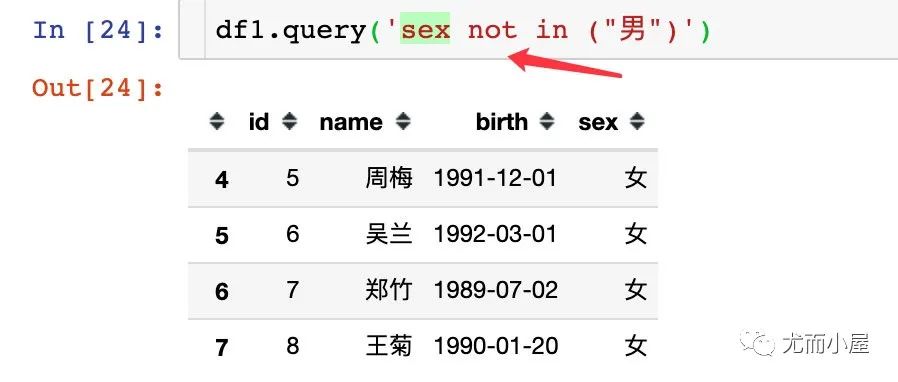
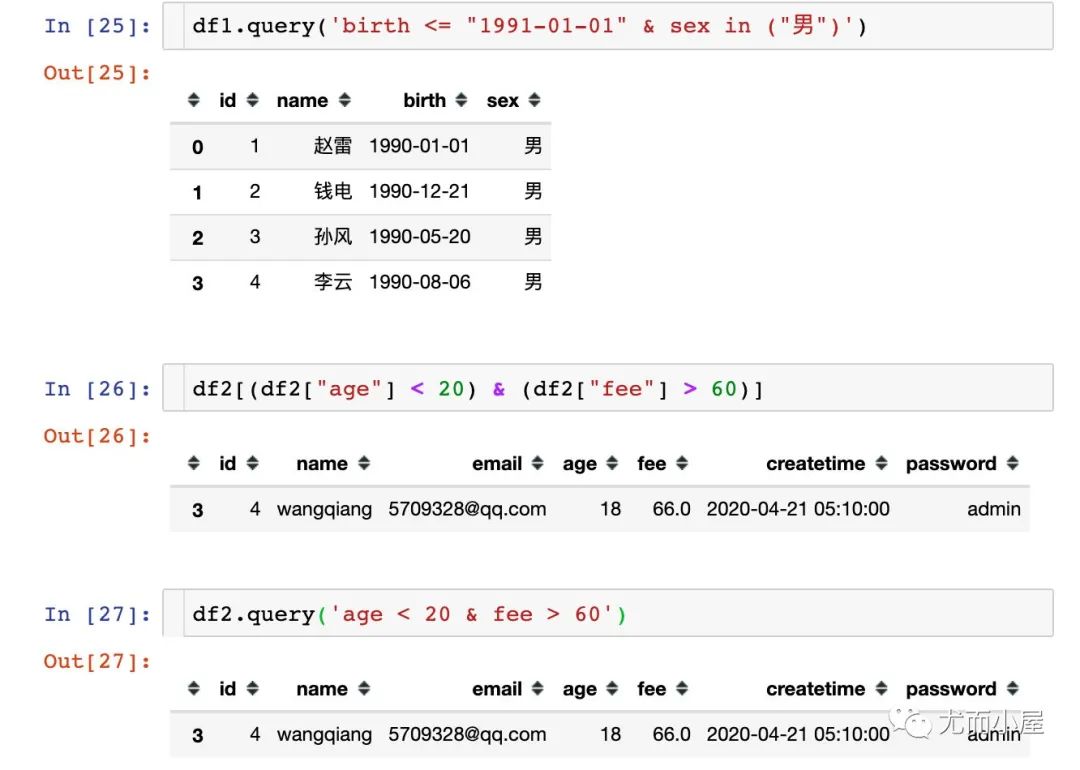
指定多個條件
SQL實現(xiàn)
select?*?from?Student?where?s_birth?<="1991-01-01"?and??s_sex=?"男";
select?*?from?user?where?age?20?and?fee?>?60;
select?*?from?user?where?age?20?and?fee?>?60;
Pandas實現(xiàn)
指定計算等式
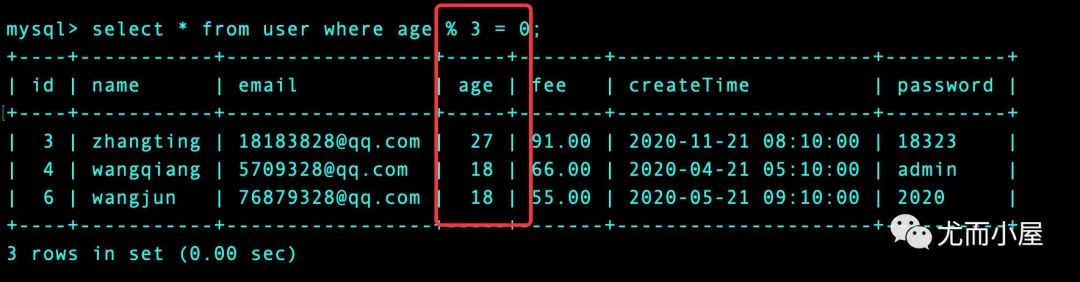
SQL實現(xiàn)
select?*?from?user?where?age?%?3?=?0;??--?年齡分別是3或者2的倍數(shù)
select?*?from?user?where?age?%?2?=?0;??
Pandas實現(xiàn)


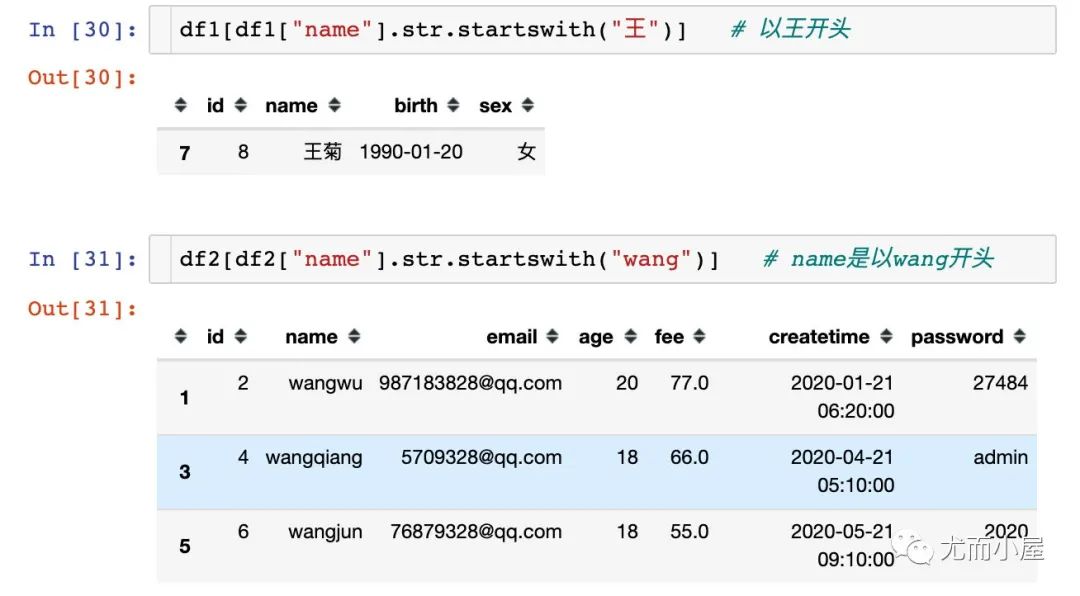
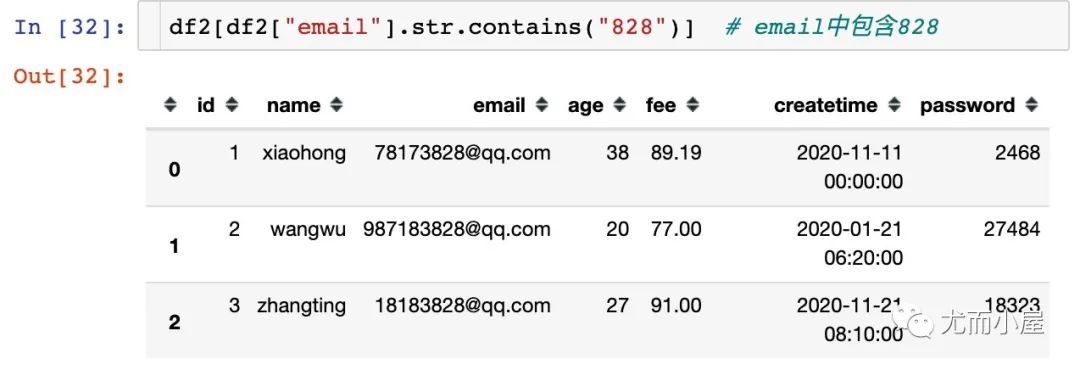
模糊查詢
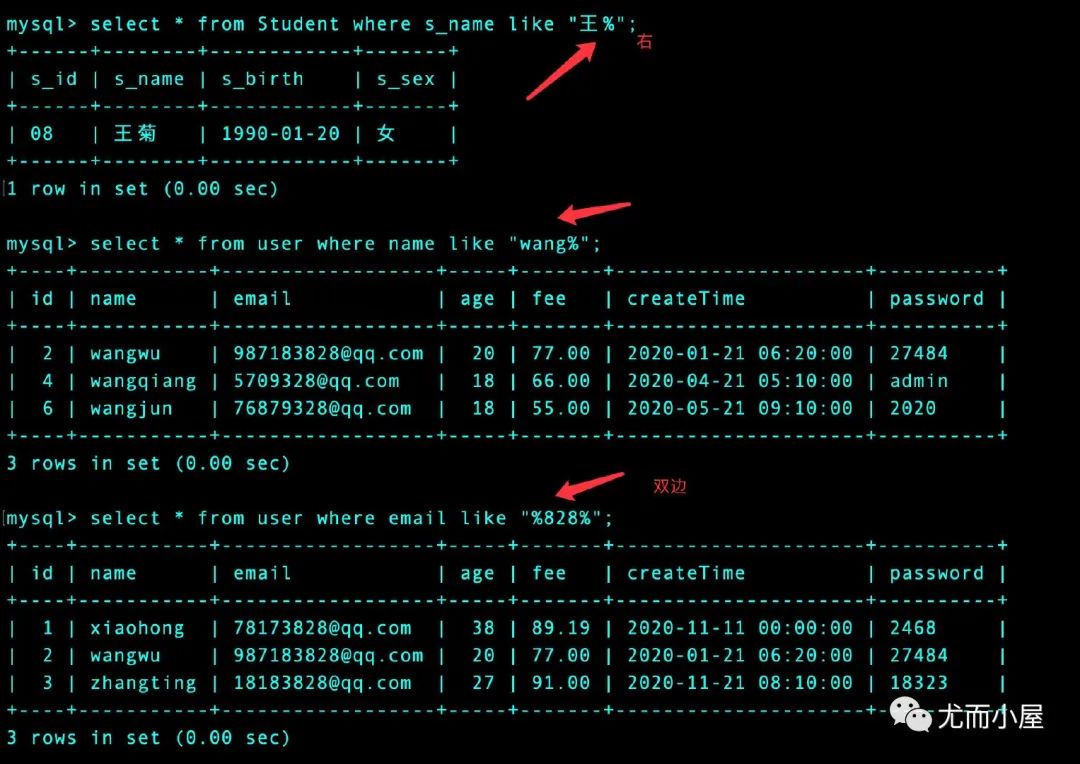
SQL實現(xiàn)
SQL的關(guān)鍵詞是like:
左匹配 右匹配 全匹配
Pandas實現(xiàn)
排序
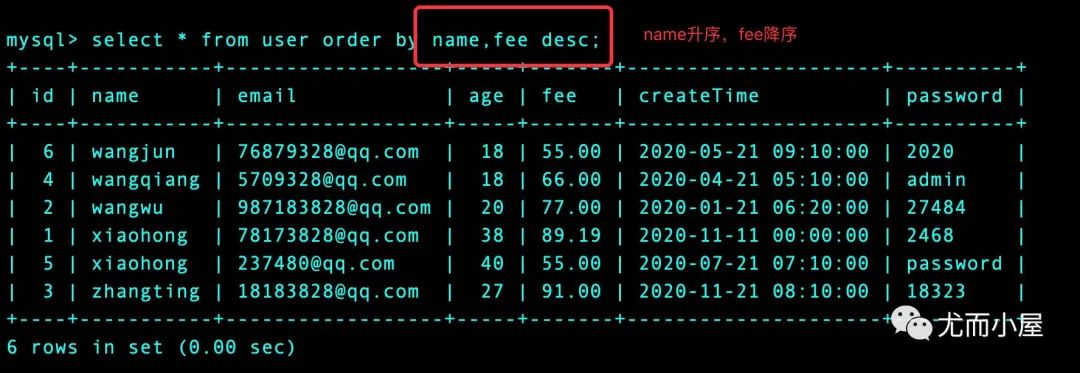
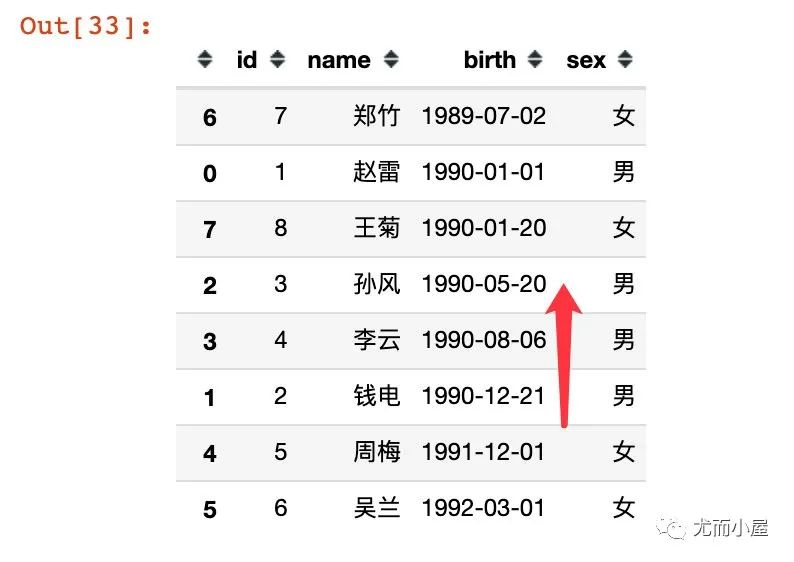
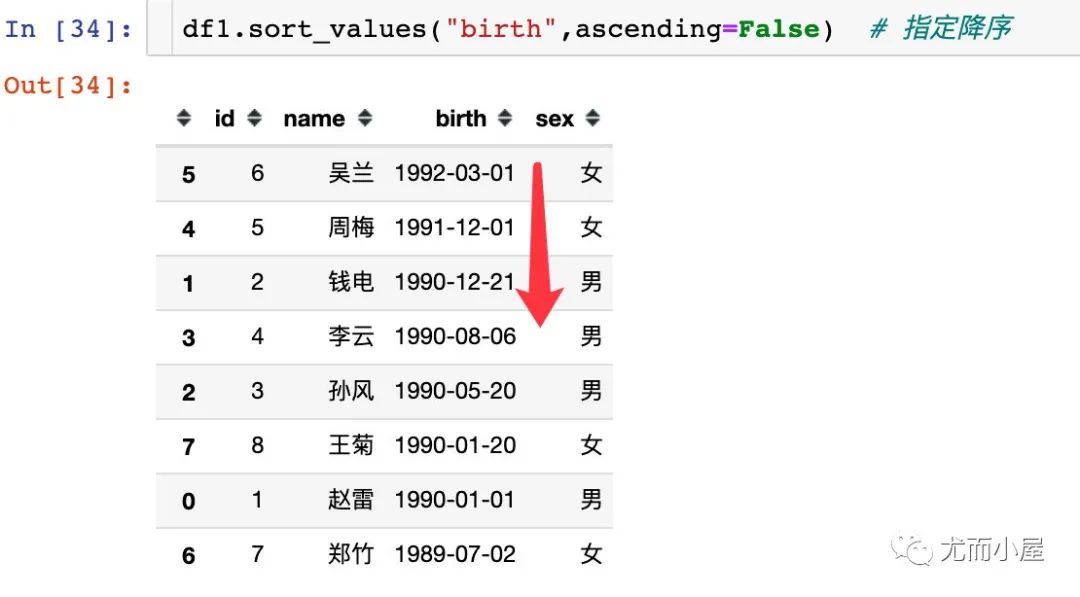
默認是升序,可以指定為降序
SQL實現(xiàn)
1、單個字段
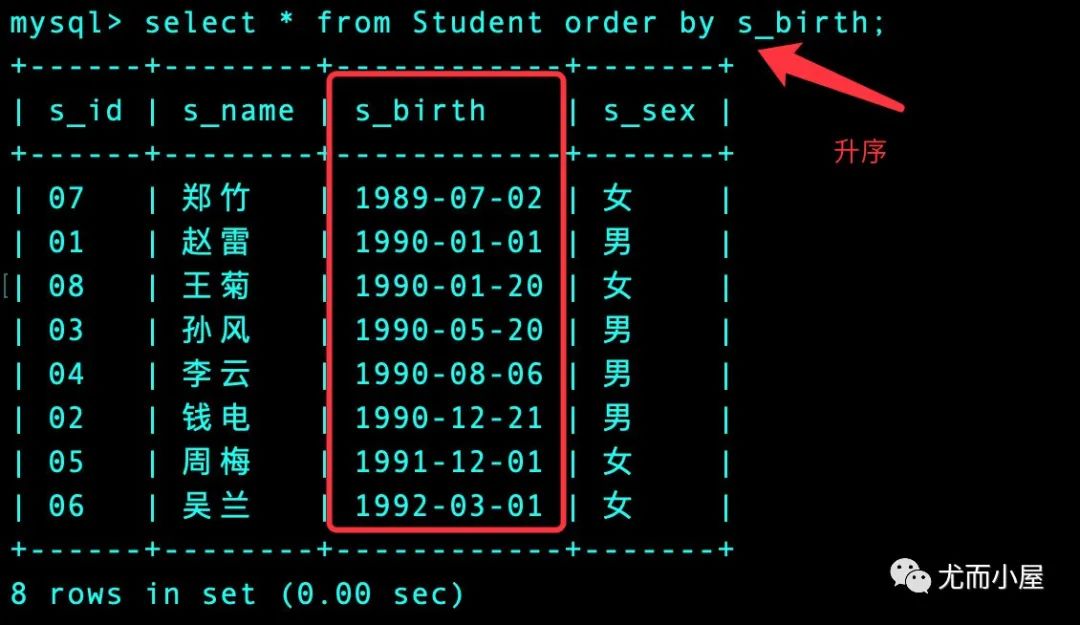
select?*?from?Student?order?by?s_birth?desc;???--?改成升序
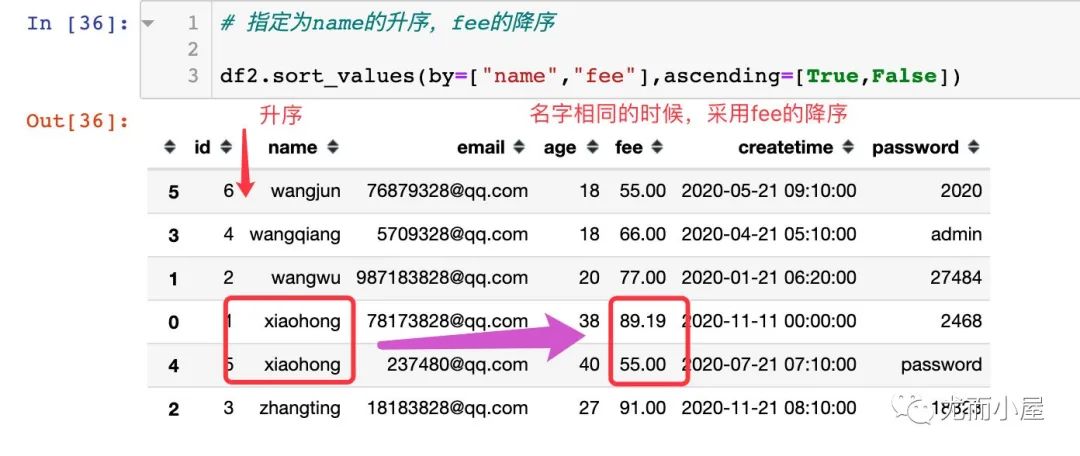
2、多個字段的排序
Pandas實現(xiàn)
1、單個字段
2、多個字段
分組統(tǒng)計
SQL實現(xiàn)
通過group by 來進行分組統(tǒng)計:
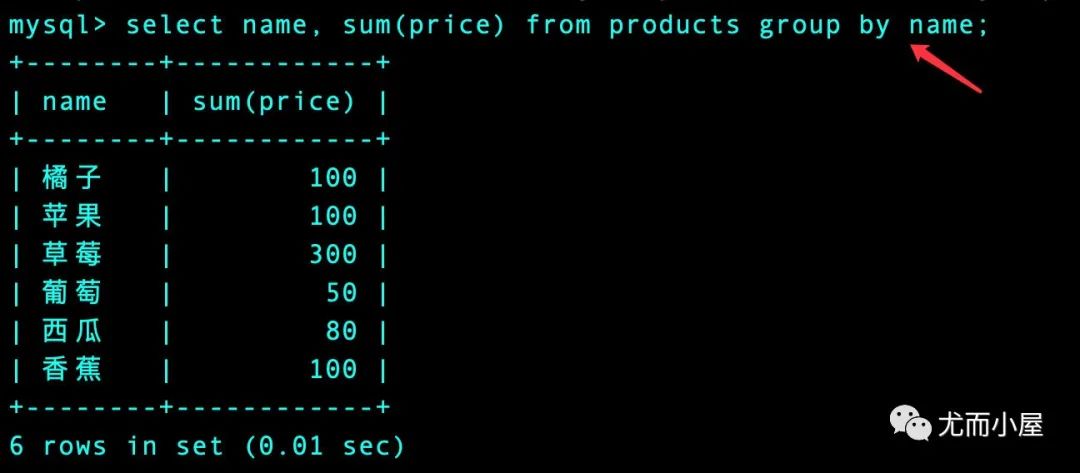
Pandas實現(xiàn)
先看看df3的數(shù)據(jù),一個水果會對應多個價格,我們水果的名稱對價格匯總:
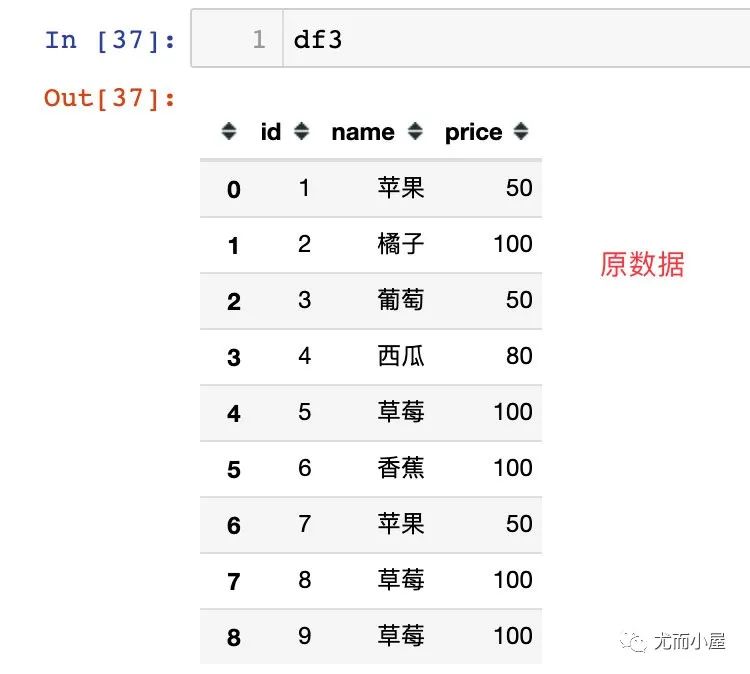
df3.groupby("name").agg({"price":"sum"}).reset_index()??#?方式1

df3.groupby("name")["price"].sum().reset_index()???#?方式2

取別名
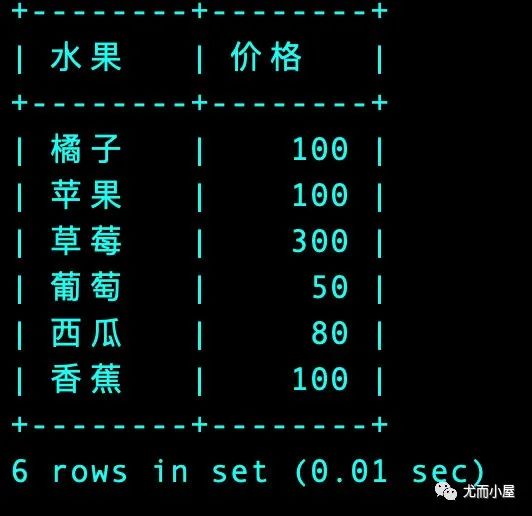
SQL實現(xiàn)
通過使用as 關(guān)鍵詞:
select?name?as??水果,?sum(price)?as??價格?from?products?group?by?name;
Pandas實現(xiàn)
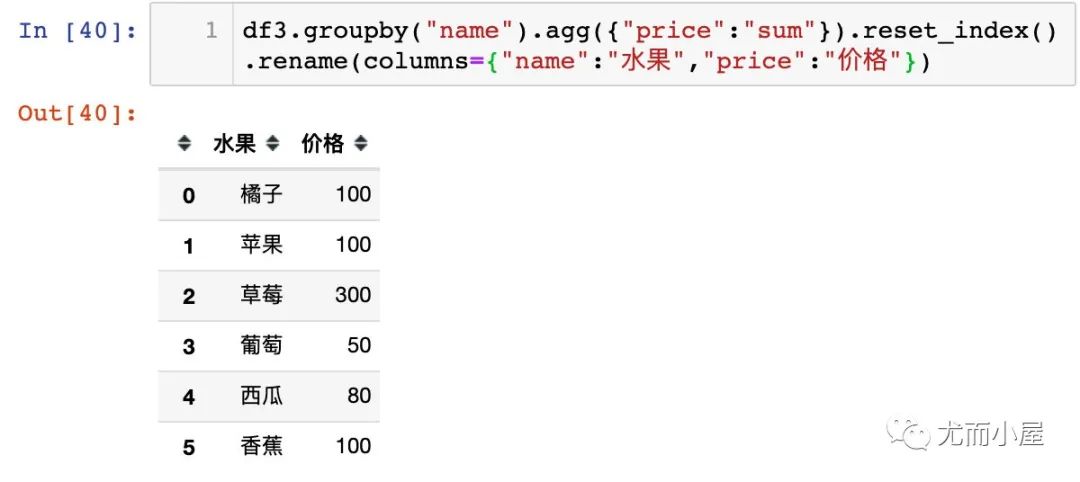
Pandas是通過rename函數(shù)來實現(xiàn)的:
df3.groupby("name").agg({"price":"sum"}).reset_index().rename(columns={"name":"水果","price":"價格"})
推薦閱讀
評論
圖片
表情