
遍歷 Dictionary,你會(huì)幾種方式?
一:背景
1. 講故事
昨天在 StackOverflow 上看到一個(gè)很有趣的問題,說: 你會(huì)幾種遍歷字典的方式,然后跟帖就是各種奇葩的回答,挺有意思,馬上就要國(guó)慶了,娛樂娛樂吧,說說這種挺無聊的問題???。
二:使用 foreach 遍歷
為了方便演示,先上一段測(cè)試代碼:
????????????var?dict?=?new?Dictionary<int,?string>()
????????????{
????????????????[10]?=?"A10",
????????????????[20]?=?"A20",
????????????????[30]?=?"A30",
????????????????[40]?=?"A40",
????????????????[50]?=?"A50"
????????????};
1. 直接 foreach dict
如果要拿百分比說話,估計(jì)有 50%+ 的小伙伴用這種方式,為啥,簡(jiǎn)單粗暴唄,其他沒什么好說的,直接上代碼:
????????????foreach?(var?item?in?dict)
????????????{
????????????????Console.WriteLine($"key={item.Key},value={item.Value}");
????????????}
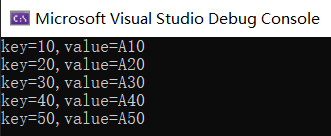
這里的 item 是底層在 MoveNext 的過程中用 KeyValuePair 包裝出來的,如果你不信的話,看下源碼唄:
?public?bool?MoveNext()
?{
??while?((uint)_index?uint)_dictionary._count)
??{
???ref?Entry?reference?=?ref?_dictionary._entries[_index++];
???if?(reference.next?>=?-1)
???{
????_current?=?new?KeyValuePair(reference.key,?reference.value);
????return?true;
???}
??}
?}
2. foreach 中 使用 KeyPairValue 解構(gòu)
剛才你也看到了 item 是 KeyValuePair 類型,不過??的是 netcore 對(duì) KeyValuePair 進(jìn)行了增強(qiáng),增加了 Deconstruct 函數(shù)用來解構(gòu) KeyValuePair,代碼如下:
????public?readonly?struct?KeyValuePair
????{
????????private?readonly?TKey?key;

????????private?readonly?TValue?value;

????????public?TKey?Key?=>?key;

????????public?TValue?Value?=>?value;

????????public?KeyValuePair(TKey?key,?TValue?value)
????????{
????????????this.key?=?key;
????????????this.value?=?value;
????????}

????????public?void?Deconstruct(out?TKey?key,?out?TValue?value)
????????{
????????????key?=?Key;
????????????value?=?Value;
????????}
????}
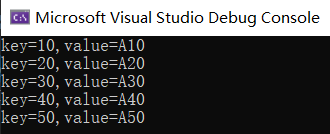
有了這個(gè)解構(gòu)函數(shù),你就可以在遍歷的過程中直接拿到 key,value,而不是包裝的 KeyValuePair,這在 netframework 中可是不行的哈,實(shí)現(xiàn)代碼如下:
????????????foreach?((int?key,?string?value)?in?dict)
????????????{
????????????????Console.WriteLine($"key={key},value={value}");
????????????}
3. foreach keys
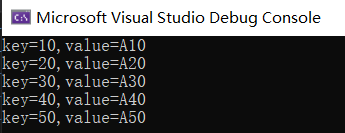
前面的例子都是直接對(duì) dict 進(jìn)行 foreach,其實(shí)你還可以對(duì) dict.keys 進(jìn)行 foreach 遍歷,然后通過遍歷出的 key 對(duì) dict 進(jìn)行類索引器讀取,代碼如下:
????????????foreach?(var?key?in?dict.Keys)
????????????{
????????????????Console.WriteLine($"key={key},value={dict[key]}");
????????????}
說到這里,不知道你是否有一個(gè)潛意識(shí),那就是 dict 只能通過 foreach 進(jìn)行遍歷,真相是不是這樣的呢?要尋找答案,還是回頭看一下 foreach 是如何進(jìn)行遍歷的。
public?struct?Enumerator?:?IEnumerator>,?IDisposable,?IEnumerator,?IDictionaryEnumerator
{
????public?bool?MoveNext()
?{
??while?((uint)_index?uint)_dictionary._count)
??{
???ref?Entry?reference?=?ref?_dictionary._entries[_index++];
???if?(reference.next?>=?-1)
???{
????_current?=?new?KeyValuePair(reference.key,?reference.value);
????return?true;
???}
??}
??_index?=?_dictionary._count?+?1;
??_current?=?default(KeyValuePair);
??return?false;
?}
}
仔細(xì)看這個(gè) while 循環(huán),你就應(yīng)該明白,本質(zhì)上它也是對(duì) entries 數(shù)組進(jìn)行遍歷,那底層都用了 while,我是不是可以用 for 來替換然后循環(huán) dict 呢?哈哈,反正就是模仿唄。
三:使用 for 遍歷
為了把 MoveNext 中的代碼模擬出來,重點(diǎn)在于這條語句:ref Entry reference = ref _dictionary._entries[_index++];, 其實(shí)很簡(jiǎn)單,_entries 數(shù)組內(nèi)容的提取可以用 Linq 的 ElementAt 方法,是不是~~~ ,改造后的代碼如下:
????????????for?(int?i?=?0;?i?????????????{
????????????????(int?key,?string?value)?=?dict.ElementAt(i);

????????????????Console.WriteLine($"key={key},value={dict[key]}");
????????????}
接下來是不是很好奇這個(gè) ElementAt 擴(kuò)展方法是如何實(shí)現(xiàn)的,一起看看源碼吧。
????public?static?TSource?ElementAt(this?IEnumerable?source,?int?index)
????{
????????IList?list?=?source?as?IList;
????????if?(list?!=?null)
????????{
????????????return?list[index];
????????}
????????if?(index?>=?0)
????????{
????????????using?(IEnumerator?enumerator?=?source.GetEnumerator())
????????????{
????????????????while?(enumerator.MoveNext())
????????????????{
????????????????????if?(index?==?0)
????????????????????{
????????????????????????return?enumerator.Current;
????????????????????}
????????????????????index--;
????????????????}
????????????}
????????}
????}
從上面代碼可以看到,如果當(dāng)前的 source 沒有實(shí)現(xiàn) IList 接口的話,那就是一個(gè)巨大的坑,每一次執(zhí)行 ElementAt 方法,最壞時(shí)間復(fù)雜度都是 O(N),就拿剛才的 for循環(huán)來說,它的最壞時(shí)間復(fù)雜度就是 O(n!) ,是不是比你想象的要恐怖的多,教訓(xùn)就是多實(shí)踐,多看看源碼~
四:總結(jié)
這篇列舉了 4 種遍歷 dict 的方式,不知你會(huì)用到哪幾種?要注意的是最后 ElementAt 對(duì) Source 判別上的大坑一定要明白,不要想當(dāng)然的以為就是 O(N) ,好了,更多的 遍歷方式 歡迎補(bǔ)充!