
Java序列化與反序列化,有哪些坑需要注意!
點(diǎn)擊上方藍(lán)色字體,選擇“標(biāo)星公眾號(hào)”
優(yōu)質(zhì)文章,第一時(shí)間送達(dá)
1.序列化與反序列化的概念
public class People {

    private Long id;

    public People(Long id) {
        this.id = id;
    }

    public Long getId() {
        return id;
    }

    public void setId(Long id) {
        this.id = id;
    }

    @Override
    public String toString() {
        return "People{" +
                "id=" + id +
                '}';
    }
}
import java.io.*;

// 屏蔽編譯器的警告
@SuppressWarnings("all")
public class Main {

    /**
     * <h1>序列化和反序列化 People 對象</h1>
     */
    private static void testSerializablePeople() throws Exception {

        // 序列化的步驟

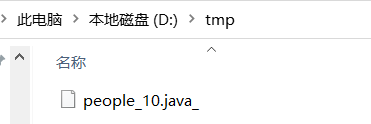
        // 用于存儲(chǔ)序列化的文件,這里的java_下劃線僅僅為了說明是java序列化對象,沒有任何其他含義
        File file = new File("/tmp/people_10.java_");
        if (!file.exists()) {
            // 1,先得到文件的上級(jí)目錄,并創(chuàng)建上級(jí)目錄
            file.getParentFile().mkdirs();
            try {
                // 2,再創(chuàng)建文件
                file.createNewFile();
            } catch (IOException e) {
                e.printStackTrace();
            }
        }
        People p = new People(10L);

        // 創(chuàng)建一個(gè)輸出流
        ObjectOutputStream oos = new ObjectOutputStream(
                new FileOutputStream(file)
        );
        // 輸出可序列化對象
        oos.writeObject(p);
        // 關(guān)閉輸出流
        oos.close();

        // 反序列化的步驟

        // 創(chuàng)建一個(gè)輸入流
        ObjectInputStream ois = new ObjectInputStream(
                new FileInputStream(file)
        );
        // 得到反序列化的對象,這里可以強(qiáng)轉(zhuǎn)為People類型
        Object newPerson = ois.readObject();
        // 關(guān)閉輸入流
        ois.close();

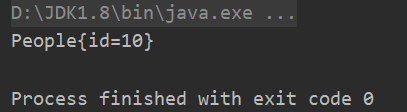
        System.out.println(newPerson);
    }

    public static void main(String[] args) throws Exception {
        testSerializablePeople();
    }
}
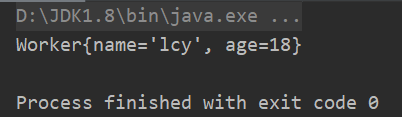
2.子類實(shí)現(xiàn)Serializable接口,父類沒有實(shí)現(xiàn),子類可以序列化嗎?
public class Worker extends People implements Serializable {

    private String name;
    private Integer age;

    public Worker(Long id, String name, Integer age) {
        super(id);
        this.name = name;
        this.age = age;
    }

}
 public static void main(String[] args) throws Exception {
        testSerizableWorker();
    }

    /**
     * <h2>子類實(shí)現(xiàn)序列化, 父類不實(shí)現(xiàn)序列化</h2>
     * */
    private static void testSerizableWorker() throws Exception {

        File file = new File("/tmp/worker_10.java_");
        if (!file.exists()) {
            // 1,先得到文件的上級(jí)目錄,并創(chuàng)建上級(jí)目錄
            file.getParentFile().mkdirs();
            try {
                // 2,再創(chuàng)建文件
                file.createNewFile();
            } catch (IOException e) {
                e.printStackTrace();
            }
        }
        Worker p = new Worker(10L, "lcy", 18);

        // 創(chuàng)建一個(gè)輸出流
        ObjectOutputStream oos = new ObjectOutputStream(
                new FileOutputStream(file)
        );
        // 輸出可序列化對象
        oos.writeObject(p);
        // 關(guān)閉輸出流
        oos.close();

        ObjectInputStream ois = new ObjectInputStream(new FileInputStream(file));
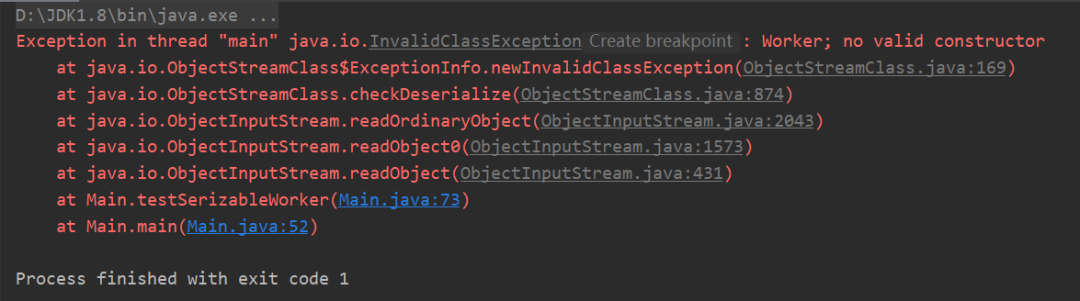
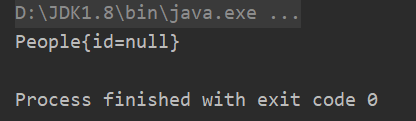
        Object newWorker = ois.readObject(); // 父類沒有序列化的時(shí)候,需要調(diào)用父類的無參數(shù)構(gòu)造方法
        ois.close();
        System.out.println(newWorker);
    }
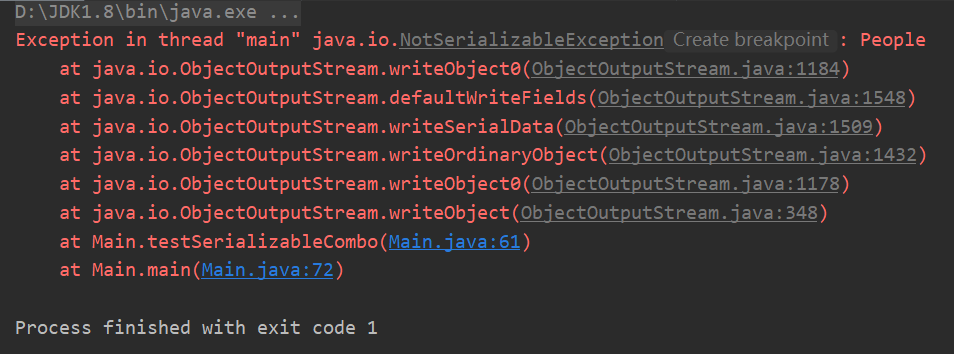
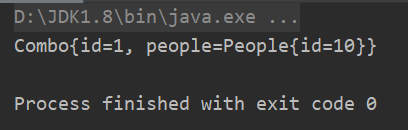
3.類中存在引用對象,這個(gè)類對象在什么情況下可以實(shí)現(xiàn)序列化?
public class Combo implements Serializable {

    private int id;
    private People people;

    public Combo(int id, People people) {
        this.id = id;
        this.people = people;
    }

    public int getId() {
        return id;
    }

    public void setId(int id) {
        this.id = id;
    }

    public People getPeople() {
        return people;
    }

    public void setPeople(People people) {
        this.people = people;
    }

    @Override
    public String toString() {
        return "Combo{" +
                "id=" + id +
                ", people=" + people +
                '}';
    }
}
public class People {

    private Long id;

    public People() {
    }

    public People(Long id) {
        this.id = id;
    }

    public Long getId() {
        return id;
    }

    public void setId(Long id) {
        this.id = id;
    }

    @Override
    public String toString() {
        return "People{" +
                "id=" + id +
                '}';
    }
}
    private static void testSerializableCombo() throws Exception {

        File file = new File("/tmp/combo_10.java_");
        if (!file.exists()) {
            // 1,先得到文件的上級(jí)目錄,并創(chuàng)建上級(jí)目錄
            file.getParentFile().mkdirs();
            try {
                // 2,再創(chuàng)建文件
                file.createNewFile();
            } catch (IOException e) {
                e.printStackTrace();
            }
        }
        Combo p = new Combo(1, new People(10L));

        // 創(chuàng)建一個(gè)輸出流
        ObjectOutputStream oos = new ObjectOutputStream(
                new FileOutputStream(file)
        );
        // 輸出可序列化對象
        oos.writeObject(p);
        // 關(guān)閉輸出流
        oos.close();

        ObjectInputStream ois = new ObjectInputStream(new FileInputStream(file));
        Object newCombo = ois.readObject();
        ois.close();
        System.out.println(newCombo);
    }

    public static void main(String[] args) throws Exception {
        testSerializableCombo();
    }
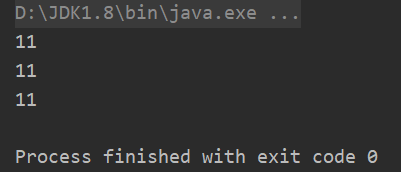
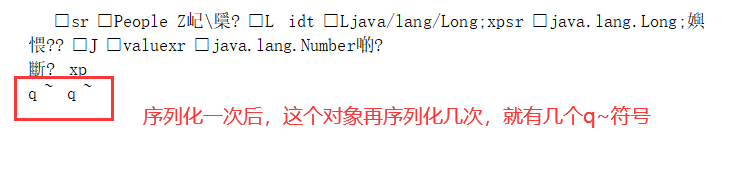
4.同一個(gè)對象多次序列化之間有屬性更新,前后的序列化有什么區(qū)別?
    /**
     * <h2>同一個(gè)對象多次序列化的問題, 坑</h2>
     * */
    private static void sameObjectRepeatedSerialization() throws Exception {

        File file = new File("/tmp/peopele_more.java_");
        if (!file.exists()) {
            // 1,先得到文件的上級(jí)目錄,并創(chuàng)建上級(jí)目錄
            file.getParentFile().mkdirs();
            try {
                // 2,再創(chuàng)建文件
                file.createNewFile();
            } catch (IOException e) {
                e.printStackTrace();
            }
        }
        People p = new People(10L);
        ObjectOutputStream oos = new ObjectOutputStream(new FileOutputStream(file));
        // 未序列化,先修改屬性
        p.setId(11L);
        oos.writeObject(p);
        // 序列化一次后,再次修改屬性
        p.setId(15L);
        oos.writeObject(p);
        // 序列化兩次后,再次修改屬性
        p.setId(20L);
        oos.writeObject(p);
        oos.close();

        ObjectInputStream ois = new ObjectInputStream(new FileInputStream(file));
        Object people1 = ois.readObject();
        Object people2 = ois.readObject();
        Object people3 = ois.readObject();
        ois.close();

        System.out.println(((People) people1).getId());
        System.out.println(((People) people2).getId());
        System.out.println(((People) people3).getId());
    }


    public static void main(String[] args) throws Exception {
        sameObjectRepeatedSerialization();
    }
作者 | 磚業(yè)洋__
來源 | https://blog.csdn.net/qq_34115899/article/details/118463573

評(píng)論
圖片
表情