
減少try catch ,可以這樣干!
作者:巨人大哥
來源:cnblogs.com/jurendage/p/11255197.html
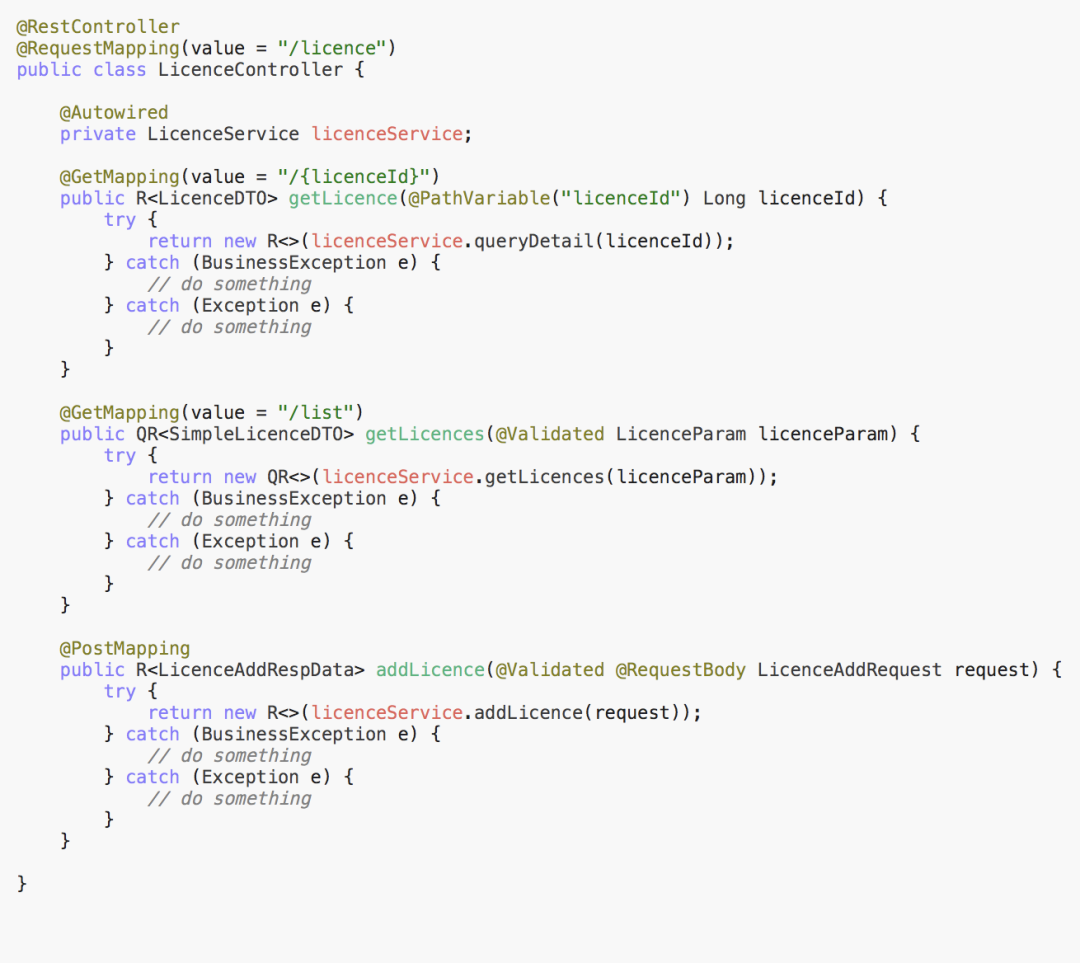
軟件開發(fā)過程中,不可避免的是需要處理各種異常,就我自己來說,至少有一半以上的時間都是在處理各種異常情況,所以代碼中就會出現(xiàn)大量的try {...} catch {...} finally {...} 代碼塊,不僅有大量的冗余代碼,而且還影響代碼的可讀性。比較下面兩張圖,看看您現(xiàn)在編寫的代碼屬于哪一種風(fēng)格?然后哪種編碼風(fēng)格您更喜歡?
丑陋的 try catch 代碼塊
 優(yōu)雅的Controller
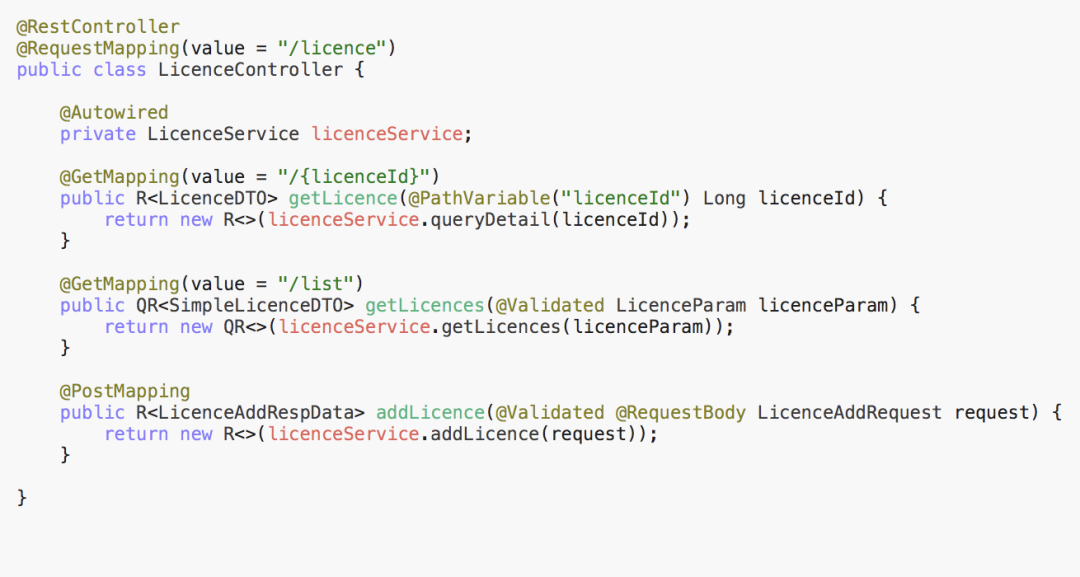 上面的示例,還只是在
Controller層,如果是在Service層,可能會有更多的try catch代碼塊。這將會嚴(yán)重影響代碼的可讀性、“美觀性”。
所以如果是我的話,我肯定偏向于第二種,我可以把更多的精力放在業(yè)務(wù)代碼的開發(fā),同時代碼也會變得更加簡潔。
既然業(yè)務(wù)代碼不顯式地對異常進(jìn)行捕獲、處理,而異常肯定還是處理的,不然系統(tǒng)豈不是動不動就崩潰了,所以必須得有其他地方捕獲并處理這些異常。公眾號(Java后端)還發(fā)布過很多編程技巧文章,關(guān)注「Java后端」回復(fù) 666 下載。
什么是統(tǒng)一異常處理
Spring在3.2版本增加了一個注解@ControllerAdvice,可以與@ExceptionHandler、@InitBinder、@ModelAttribute 等注解注解配套使用,對于這幾個注解的作用,這里不做過多贅述,若有不了解的,可以參考Spring3.2新注解@ControllerAdvice,先大概有個了解。
不過跟異常處理相關(guān)的只有注解@ExceptionHandler,從字面上看,就是 異常處理器 的意思,其實際作用也是:若在某個Controller類定義一個異常處理方法,并在方法上添加該注解,那么當(dāng)出現(xiàn)指定的異常時,會執(zhí)行該處理異常的方法,其可以使用springmvc提供的數(shù)據(jù)綁定,比如注入HttpServletRequest等,還可以接受一個當(dāng)前拋出的Throwable對象。
但是,這樣一來,就必須在每一個Controller類都定義一套這樣的異常處理方法,因為異常可以是各種各樣。這樣一來,就會造成大量的冗余代碼,而且若需要新增一種異常的處理邏輯,就必須修改所有Controller類了,很不優(yōu)雅。
當(dāng)然你可能會說,那就定義個類似BaseController的基類,這樣總行了吧。
這種做法雖然沒錯,但仍不盡善盡美,因為這樣的代碼有一定的侵入性和耦合性。簡簡單單的Controller,我為啥非得繼承這樣一個類呢,萬一已經(jīng)繼承其他基類了呢。大家都知道Java只能繼承一個類。
那有沒有一種方案,既不需要跟Controller耦合,也可以將定義的 異常處理器 應(yīng)用到所有控制器呢?所以注解@ControllerAdvice出現(xiàn)了,簡單的說,該注解可以把異常處理器應(yīng)用到所有控制器,而不是單個控制器。借助該注解,我們可以實現(xiàn):在獨立的某個地方,比如單獨一個類,定義一套對各種異常的處理機(jī)制,然后在類的簽名加上注解@ControllerAdvice,統(tǒng)一對 不同階段的、不同異常 進(jìn)行處理。這就是統(tǒng)一異常處理的原理。
注意到上面對異常按階段進(jìn)行分類,大體可以分成:進(jìn)入Controller前的異常 和 Service 層異常,具體可以參考下圖:
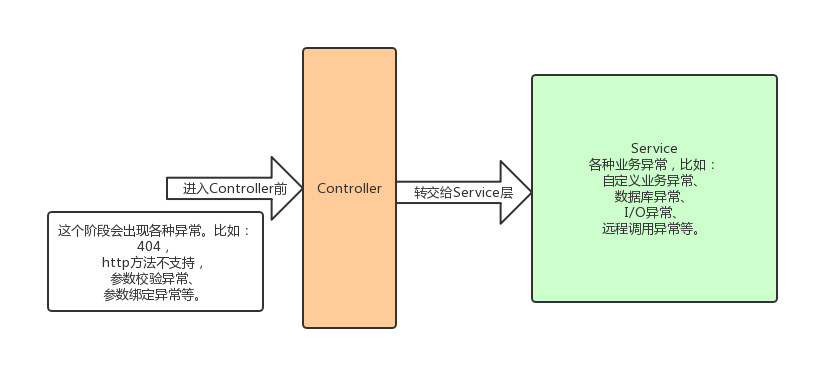
不同階段的異常
目標(biāo)
消滅95%以上的 try catch 代碼塊,以優(yōu)雅的 Assert(斷言) 方式來校驗業(yè)務(wù)的異常情況,只關(guān)注業(yè)務(wù)邏輯,而不用花費大量精力寫冗余的 try catch 代碼塊。
統(tǒng)一異常處理實戰(zhàn)
在定義統(tǒng)一異常處理類之前,先來介紹一下如何優(yōu)雅的判定異常情況并拋異常。
用 Assert(斷言) 替換 throw exception
想必 Assert(斷言) 大家都很熟悉,比如 Spring 家族的 org.springframework.util.Assert,在我們寫測試用例的時候經(jīng)常會用到,使用斷言能讓我們編碼的時候有一種非一般絲滑的感覺,比如:
@Test
????public?void?test1()?{
????????...
????????User user = userDao.selectById(userId);
????????Assert.notNull(user, "用戶不存在.");
????????...
????}

????@Test
????public?void?test2()?{
????????// 另一種寫法
????????User user = userDao.selectById(userId);
????????if?(user == null) {
????????????throw?new?IllegalArgumentException("用戶不存在.");
????????}
????}
有沒有感覺第一種判定非空的寫法很優(yōu)雅,第二種寫法則是相對丑陋的 if {...} 代碼塊。那么
神奇的 Assert.notNull() 背后到底做了什么呢?下面是 Assert 的部分源碼:
public?abstract?class?Assert?{
????public?Assert() {
????}

????public?static?void?notNull(@Nullable Object object, String message) {
????????if?(object?== null) {
????????????throw?new?IllegalArgumentException(message);
????????}
????}
}可以看到,Assert 其實就是幫我們把 if {...} 封裝了一下,是不是很神奇。雖然很簡單,但不可否認(rèn)的是編碼體驗至少提升了一個檔次。那么我們能不能模仿org.springframework.util.Assert,也寫一個斷言類,不過斷言失敗后拋出的異常不是IllegalArgumentException 這些內(nèi)置異常,而是我們自己定義的異常。下面讓我們來嘗試一下。
Assert
public?interface?Assert?{
????/**
?????* 創(chuàng)建異常
?????* @param?args
?????* @return
?????*/
????BaseException newException(Object... args);

????/**
?????* 創(chuàng)建異常
?????* @param?t
?????* @param?args
?????* @return
?????*/
????BaseException newException(Throwable t, Object... args);

????/**
?????* 斷言對象obj非空。如果對象obj為空,則拋出異常
?????*
?????* @param?obj 待判斷對象
?????*/
????default?void?assertNotNull(Object obj)?{
????????if?(obj == null) {
????????????throw?newException(obj);
????????}
????}

????/**
?????* 斷言對象obj非空。如果對象obj為空,則拋出異常
?????* 異常信息message支持傳遞參數(shù)方式,避免在判斷之前進(jìn)行字符串拼接操作
?????*
?????* @param?obj 待判斷對象
?????* @param?args message占位符對應(yīng)的參數(shù)列表
?????*/
????default?void?assertNotNull(Object obj, Object... args)?{
????????if?(obj == null) {
????????????throw?newException(args);
????????}
????}
}上面的Assert斷言方法是使用接口的默認(rèn)方法定義的,然后有沒有發(fā)現(xiàn)當(dāng)斷言失敗后,拋出的異常不是具體的某個異常,而是交由2個newException接口方法提供。因為業(yè)務(wù)邏輯中出現(xiàn)的異常基本都是對應(yīng)特定的場景,比如根據(jù)用戶id獲取用戶信息,查詢結(jié)果為null,此時拋出的異常可能為UserNotFoundException,并且有特定的異常碼(比如7001)和異常信息“用戶不存在”。所以具體拋出什么異常,有Assert的實現(xiàn)類決定。(此處推薦一下前日的文章?去掉煩人的 !=null)
看到這里,您可能會有這樣的疑問,按照上面的說法,那豈不是有多少異常情況,就得有定義等量的斷言類和異常類,這顯然是反人類的,這也沒想象中高明嘛。別急,且聽我細(xì)細(xì)道來。
善解人意的Enum
自定義異常BaseException有2個屬性,即code、message,這樣一對屬性,有沒有想到什么類一般也會定義這2個屬性?沒錯,就是枚舉類。且看我如何將 Enum 和 Assert 結(jié)合起來,相信我一定會讓你眼前一亮。如下:
public?interface?IResponseEnum {
????int getCode();
????String?getMessage();
}
/**
?* 業(yè)務(wù)異常
?* 業(yè)務(wù)處理時,出現(xiàn)異常,可以拋出該異常
?*/
public?class?BusinessException extends??BaseException {

????private?static?final long serialVersionUID = 1L;

????public?BusinessException(IResponseEnum responseEnum, Object[] args, String?message) {
????????super(responseEnum, args, message);
????}

????public?BusinessException(IResponseEnum responseEnum, Object[] args, String?message, Throwable cause) {
????????super(responseEnum, args, message, cause);
????}
}
public?interface?BusinessExceptionAssert extends?IResponseEnum, Assert {

????@Override
????default?BaseException newException(Object... args) {
????????String?msg = MessageFormat.format(this.getMessage(), args);

????????return?new?BusinessException(this, args, msg);
????}

????@Override
????default?BaseException newException(Throwable t, Object... args) {
????????String?msg = MessageFormat.format(this.getMessage(), args);

????????return?new?BusinessException(this, args, msg, t);
????}

}
@Getter
@AllArgsConstructor
public?enum?ResponseEnum implements?BusinessExceptionAssert {

????/**
?????* Bad licence type
?????*/
????BAD_LICENCE_TYPE(7001, "Bad licence type."),
????/**
?????* Licence not found
?????*/
????LICENCE_NOT_FOUND(7002, "Licence not found.")
????;

????/**
?????* 返回碼
?????*/
????private?int code;
????/**
?????* 返回消息
?????*/
????private?String?message;
}看到這里,有沒有眼前一亮的感覺,代碼示例中定義了兩個枚舉實例:BAD_LICENCE_TYPE、LICENCE_NOT_FOUND,分別對應(yīng)了BadLicenceTypeException、LicenceNotFoundException兩種異常。以后每增加一種異常情況,只需增加一個枚舉實例即可,再也不用每一種異常都定義一個異常類了。然后再來看下如何使用,假設(shè)LicenceService有校驗Licence是否存在的方法,如下:
/**
?????* 校驗{@link?Licence}存在
?????* @param?licence
?????*/
????private?void?checkNotNull(Licence licence)?{
????????ResponseEnum.LICENCE_NOT_FOUND.assertNotNull(licence);
????}
若不使用斷言,代碼可能如下:
private?void?checkNotNull(Licence licence) {
????????if?(licence == null) {
????????????throw?new?LicenceNotFoundException();
????????????// 或者這樣
????????????throw?new?BusinessException(7001, "Bad licence type.");
????????}
????}使用枚舉類結(jié)合(繼承)Assert,只需根據(jù)特定的異常情況定義不同的枚舉實例,如上面的BAD_LICENCE_TYPE、LICENCE_NOT_FOUND,就能夠針對不同情況拋出特定的異常(這里指攜帶特定的異常碼和異常消息),這樣既不用定義大量的異常類,同時還具備了斷言的良好可讀性,當(dāng)然這種方案的好處遠(yuǎn)不止這些,請繼續(xù)閱讀后文,慢慢體會。
注:上面舉的例子是針對特定的業(yè)務(wù),而有部分異常情況是通用的,比如:服務(wù)器繁忙、網(wǎng)絡(luò)異常、服務(wù)器異常、參數(shù)校驗異常、404等,所以有
CommonResponseEnum、ArgumentResponseEnum、ServletResponseEnum,其中ServletResponseEnum會在后文詳細(xì)說明。
定義統(tǒng)一異常處理器類
@Slf4j
@Component
@ControllerAdvice
@ConditionalOnWebApplication
@ConditionalOnMissingBean(UnifiedExceptionHandler.class)
public?class?UnifiedExceptionHandler?{
????/**
?????* 生產(chǎn)環(huán)境
?????*/
????private?final?static?String ENV_PROD = "prod";

????@Autowired
????private?UnifiedMessageSource unifiedMessageSource;

????/**
?????* 當(dāng)前環(huán)境
?????*/
????@Value("${spring.profiles.active}")
????private?String profile;
????
????/**
?????* 獲取國際化消息
?????*
?????* @param?e 異常
?????* @return
?????*/
????public?String getMessage(BaseException e)?{
????????String code = "response."?+ e.getResponseEnum().toString();
????????String message = unifiedMessageSource.getMessage(code, e.getArgs());

????????if?(message == null?|| message.isEmpty()) {
????????????return?e.getMessage();
????????}

????????return?message;
????}

????/**
?????* 業(yè)務(wù)異常
?????*
?????* @param?e 異常
?????* @return?異常結(jié)果
?????*/
????@ExceptionHandler(value = BusinessException.class)
????@ResponseBody
????public?ErrorResponse handleBusinessException(BaseException e)?{
????????log.error(e.getMessage(), e);

????????return?new?ErrorResponse(e.getResponseEnum().getCode(), getMessage(e));
????}

????/**
?????* 自定義異常
?????*
?????* @param?e 異常
?????* @return?異常結(jié)果
?????*/
????@ExceptionHandler(value = BaseException.class)
????@ResponseBody
????public?ErrorResponse handleBaseException(BaseException e)?{
????????log.error(e.getMessage(), e);

????????return?new?ErrorResponse(e.getResponseEnum().getCode(), getMessage(e));
????}

????/**
?????* Controller上一層相關(guān)異常
?????*
?????* @param?e 異常
?????* @return?異常結(jié)果
?????*/
????@ExceptionHandler({
????????????NoHandlerFoundException.class,
????????????HttpRequestMethodNotSupportedException.class,
????????????HttpMediaTypeNotSupportedException.class,
????????????MissingPathVariableException.class,
????????????MissingServletRequestParameterException.class,
????????????TypeMismatchException.class,
????????????HttpMessageNotReadableException.class,
????????????HttpMessageNotWritableException.class,
????????????// BindException.class,
????????????// MethodArgumentNotValidException.class
????????????HttpMediaTypeNotAcceptableException.class,
????????????ServletRequestBindingException.class,
????????????ConversionNotSupportedException.class,
????????????MissingServletRequestPartException.class,
????????????AsyncRequestTimeoutException.class
????})
????@ResponseBody
????public?ErrorResponse handleServletException(Exception e)?{
????????log.error(e.getMessage(), e);
????????int?code = CommonResponseEnum.SERVER_ERROR.getCode();
????????try?{
????????????ServletResponseEnum servletExceptionEnum = ServletResponseEnum.valueOf(e.getClass().getSimpleName());
????????????code = servletExceptionEnum.getCode();
????????} catch?(IllegalArgumentException e1) {
????????????log.error("class [{}] not defined in enum {}", e.getClass().getName(), ServletResponseEnum.class.getName());
????????}

????????if?(ENV_PROD.equals(profile)) {
????????????// 當(dāng)為生產(chǎn)環(huán)境, 不適合把具體的異常信息展示給用戶, 比如404.
????????????code = CommonResponseEnum.SERVER_ERROR.getCode();
????????????BaseException baseException = new?BaseException(CommonResponseEnum.SERVER_ERROR);
????????????String message = getMessage(baseException);
????????????return?new?ErrorResponse(code, message);
????????}

????????return?new?ErrorResponse(code, e.getMessage());
????}


????/**
?????* 參數(shù)綁定異常
?????*
?????* @param?e 異常
?????* @return?異常結(jié)果
?????*/
????@ExceptionHandler(value = BindException.class)
????@ResponseBody
????public?ErrorResponse handleBindException(BindException e)?{
????????log.error("參數(shù)綁定校驗異常", e);

????????return?wrapperBindingResult(e.getBindingResult());
????}

????/**
?????* 參數(shù)校驗異常,將校驗失敗的所有異常組合成一條錯誤信息
?????*
?????* @param?e 異常
?????* @return?異常結(jié)果
?????*/
????@ExceptionHandler(value = MethodArgumentNotValidException.class)
????@ResponseBody
????public?ErrorResponse handleValidException(MethodArgumentNotValidException e)?{
????????log.error("參數(shù)綁定校驗異常", e);

????????return?wrapperBindingResult(e.getBindingResult());
????}

????/**
?????* 包裝綁定異常結(jié)果
?????*
?????* @param?bindingResult 綁定結(jié)果
?????* @return?異常結(jié)果
?????*/
????private?ErrorResponse wrapperBindingResult(BindingResult bindingResult)?{
????????StringBuilder msg = new?StringBuilder();

????????for?(ObjectError error : bindingResult.getAllErrors()) {
????????????msg.append(", ");
????????????if?(error instanceof?FieldError) {
????????????????msg.append(((FieldError) error).getField()).append(": ");
????????????}
????????????msg.append(error.getDefaultMessage() == null?? ""?: error.getDefaultMessage());

????????}

????????return?new?ErrorResponse(ArgumentResponseEnum.VALID_ERROR.getCode(), msg.substring(2));
????}

????/**
?????* 未定義異常
?????*
?????* @param?e 異常
?????* @return?異常結(jié)果
?????*/
????@ExceptionHandler(value = Exception.class)
????@ResponseBody
????public?ErrorResponse handleException(Exception e)?{
????????log.error(e.getMessage(), e);

????????if?(ENV_PROD.equals(profile)) {
????????????// 當(dāng)為生產(chǎn)環(huán)境, 不適合把具體的異常信息展示給用戶, 比如數(shù)據(jù)庫異常信息.
????????????int?code = CommonResponseEnum.SERVER_ERROR.getCode();
????????????BaseException baseException = new?BaseException(CommonResponseEnum.SERVER_ERROR);
????????????String message = getMessage(baseException);
????????????return?new?ErrorResponse(code, message);
????????}

????????return?new?ErrorResponse(CommonResponseEnum.SERVER_ERROR.getCode(), e.getMessage());
????}
????
}可以看到,上面將異常分成幾類,實際上只有兩大類,一類是ServletException、ServiceException,還記得上文提到的 按階段分類 嗎,即對應(yīng) 進(jìn)入Controller前的異常 和 Service 層異常;然后 ServiceException 再分成自定義異常、未知異常。對應(yīng)關(guān)系如下:
進(jìn)入
Controller前的異常: handleServletException、handleBindException、handleValidException自定義異常: handleBusinessException、handleBaseException
未知異常: handleException
異常處理器說明
handleServletException
http請求,在到達(dá)Controller前,會對該請求的請求信息與目標(biāo)控制器信息做一系列校驗。這里簡單說一下:Url查找有沒有對應(yīng)的控制器,若沒有則會拋該異常,也就是大家非常熟悉的404異常;http方法不同,如:Get、Post等),則嘗試將請求的http方法與列表的控制器做匹配,若沒有對應(yīng)http方法的控制器,則拋該異常;content-type請求頭,若控制器的參數(shù)簽名包含注解@RequestBody,但是請求的content-type請求頭的值沒有包含application/json,那么會拋該異常(當(dāng)然,不止這種情況會拋這個異常);/licence/{licenceId},參數(shù)簽名包含@PathVariable("licenceId"),當(dāng)請求的url為/licence,在沒有明確定義url為/licence的情況下,會被判定為:缺少路徑參數(shù);HttpMediaTypeNotSupportedException舉的例子完全相反,即請求頭攜帶了"content-type: application/json;charset=UTF-8",但接收參數(shù)卻沒有添加注解@RequestBody,或者請求體攜帶的 json 串反序列化成 pojo 的過程中失敗了,也會拋該異常;handleBindException
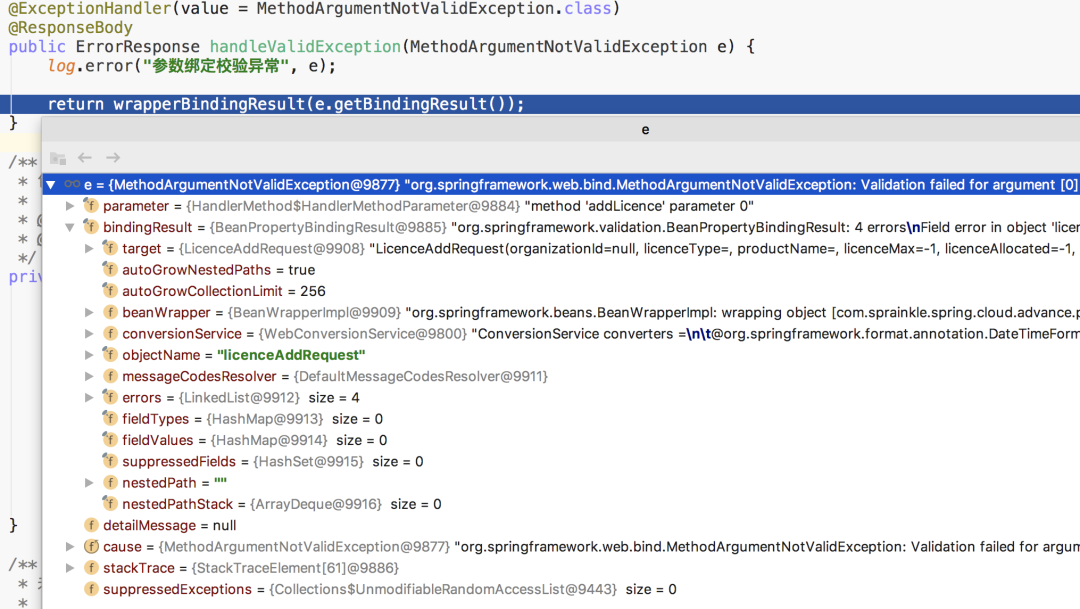
handleValidException
handleBusinessException、handleBaseException
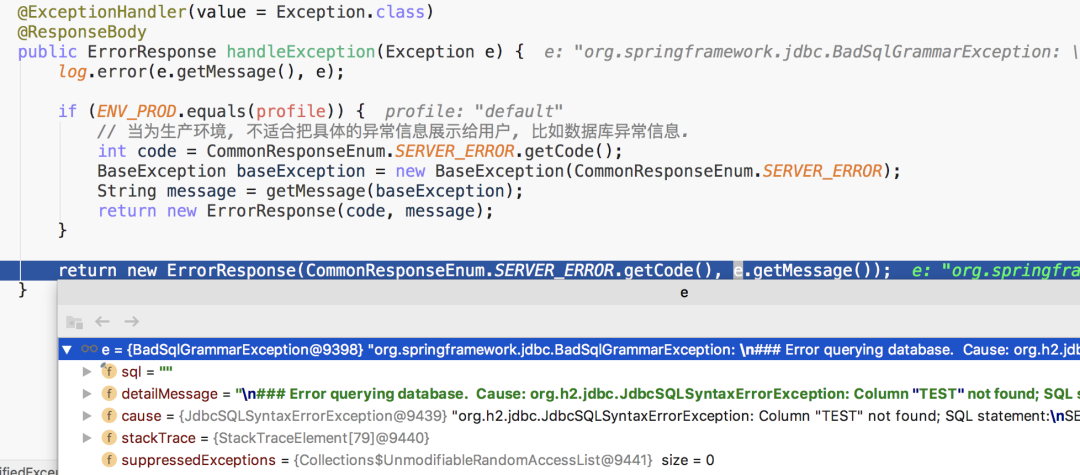
handleBaseException處理的是除了 BusinessException 意外的所有業(yè)務(wù)異常。就目前來看,這2個是可以合并成一個的。handleException
注:上面的 handleServletException、handleException這兩個處理器,返回的異常信息,不同環(huán)境返回的可能不一樣,以為這些異常信息都是框架自帶的異常信息,一般都是英文的,不太好直接展示給用戶看,所以統(tǒng)一返回SERVER_ERROR代表的異常信息。
異于常人的404
NoHandlerFoundException異常,但其實默認(rèn)情況下不是這樣,默認(rèn)情況下會出現(xiàn)類似如下頁面:
forward跳轉(zhuǎn)到/error控制器,spring也提供了默認(rèn)的error控制器,如下:
那么,如何讓404也拋出異常呢,只需在properties文件中加入如下配置即可:
spring.mvc.throw-exception-if-no-handler-found=true
spring.resources.add-mappings=false統(tǒng)一返回結(jié)果
code、message 是所有返回結(jié)果中必有的字段,而當(dāng)需要返回數(shù)據(jù)時,則需要另一個字段 data 來表示。BaseResponse 來作為所有返回結(jié)果的基類;CommonResponse,繼承 BaseResponse,而且多了字段 data;ErrorResponseQueryDataResponse,該類繼承自 CommonResponse,只是把 data 字段的類型限制為 QueryDdata,QueryDdata中定義了分頁信息相應(yīng)的字段,即totalCount、pageNo、 pageSize、records。CommonResponse 和 QueryDataResponse,但是名字又賊鬼死長,何不定義2個名字超簡單的類來替代呢?于是 R 和 QR 誕生了,以后返回結(jié)果的時候只需這樣寫:new R<>(data)、new QR<>(queryData)。驗證統(tǒng)一異常處理
common包,以后每一個新項目/模塊只需引入該包即可。所以為了驗證,需要新建一個項目,并引入該 common包。主要代碼
@Service
public?class?LicenceService?extends?ServiceImpl<LicenceMapper, Licence> {
????@Autowired
????private?OrganizationClient organizationClient;
????/**
?????* 查詢{@link?Licence} 詳情
?????* @param?licenceId
?????* @return
?????*/
????public?LicenceDTO queryDetail(Long licenceId)?{
????????Licence licence = this.getById(licenceId);
????????checkNotNull(licence);
????????OrganizationDTO org = ClientUtil.execute(() -> organizationClient.getOrganization(licence.getOrganizationId()));
????????return?toLicenceDTO(licence, org);
????}
????/**
?????* 分頁獲取
?????* @param?licenceParam 分頁查詢參數(shù)
?????* @return
?????*/
????public?QueryData getLicences(LicenceParam licenceParam)? {
????????String licenceType = licenceParam.getLicenceType();
????????LicenceTypeEnum licenceTypeEnum = LicenceTypeEnum.parseOfNullable(licenceType);
????????// 斷言, 非空
????????ResponseEnum.BAD_LICENCE_TYPE.assertNotNull(licenceTypeEnum);
????????LambdaQueryWrapper wrapper = new?LambdaQueryWrapper<>();
????????wrapper.eq(Licence::getLicenceType, licenceType);
????????IPage page = this.page(new?QueryPage<>(licenceParam), wrapper);
????????return?new?QueryData<>(page, this::toSimpleLicenceDTO);
????}
????/**
?????* 新增{@link?Licence}
?????* @param?request 請求體
?????* @return
?????*/
????@Transactional(rollbackFor = Throwable.class)
????public?LicenceAddRespData addLicence(LicenceAddRequest request)?{
????????Licence licence = new?Licence();
????????licence.setOrganizationId(request.getOrganizationId());
????????licence.setLicenceType(request.getLicenceType());
????????licence.setProductName(request.getProductName());
????????licence.setLicenceMax(request.getLicenceMax());
????????licence.setLicenceAllocated(request.getLicenceAllocated());
????????licence.setComment(request.getComment());
????????this.save(licence);
????????return?new?LicenceAddRespData(licence.getLicenceId());
????}
????/**
?????* entity -> simple dto
?????* @param?licence {@link?Licence} entity
?????* @return?{@link?SimpleLicenceDTO}
?????*/
????private?SimpleLicenceDTO toSimpleLicenceDTO(Licence licence)?{
????????// 省略
????}
????/**
?????* entity -> dto
?????* @param?licence {@link?Licence} entity
?????* @param?org {@link?OrganizationDTO}
?????* @return?{@link?LicenceDTO}
?????*/
????private?LicenceDTO toLicenceDTO(Licence licence, OrganizationDTO org)?{
????????// 省略
????}
????/**
?????* 校驗{@link?Licence}存在
?????* @param?licence
?????*/
????private?void?checkNotNull(Licence licence)?{
????????ResponseEnum.LICENCE_NOT_FOUND.assertNotNull(licence);
????}
} mybatis-plus。啟動時,自動插入的數(shù)據(jù)為:
-- licence
INSERT?INTO?licence (licence_id, organization_id, licence_type, product_name, licence_max, licence_allocated)
VALUES?(1, 1, 'user','CustomerPro', 100,5);
INSERT?INTO?licence (licence_id, organization_id, licence_type, product_name, licence_max, licence_allocated)
VALUES?(2, 1, 'user','suitability-plus', 200,189);
INSERT?INTO?licence (licence_id, organization_id, licence_type, product_name, licence_max, licence_allocated)
VALUES?(3, 2, 'user','HR-PowerSuite', 100,4);
INSERT?INTO?licence (licence_id, organization_id, licence_type, product_name, licence_max, licence_allocated)
VALUES?(4, 2, 'core-prod','WildCat Application Gateway', 16,16);

-- organizations
INSERT?INTO?organization?(id, name, contact_name, contact_email, contact_phone)
VALUES?(1, 'customer-crm-co', 'Mark Balster', '[email protected]', '823-555-1212');
INSERT?INTO?organization?(id, name, contact_name, contact_email, contact_phone)
VALUES?(2, 'HR-PowerSuite', 'Doug Drewry','[email protected]', '920-555-1212');
開始驗證
捕獲自定義異常
1. 獲取不存在的 licence 詳情:http://localhost:10000/licence/5。成功響應(yīng)的請求:licenceId=1
檢驗非空
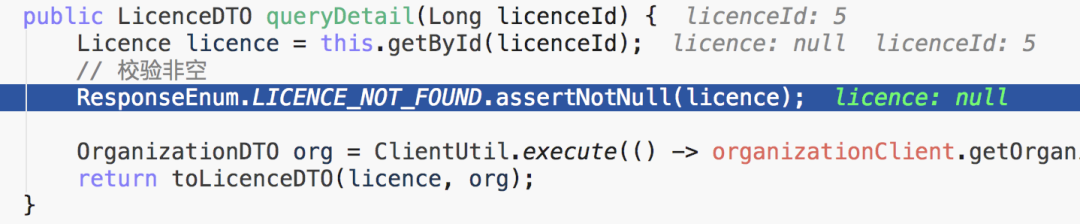
捕獲 Licence not found 異常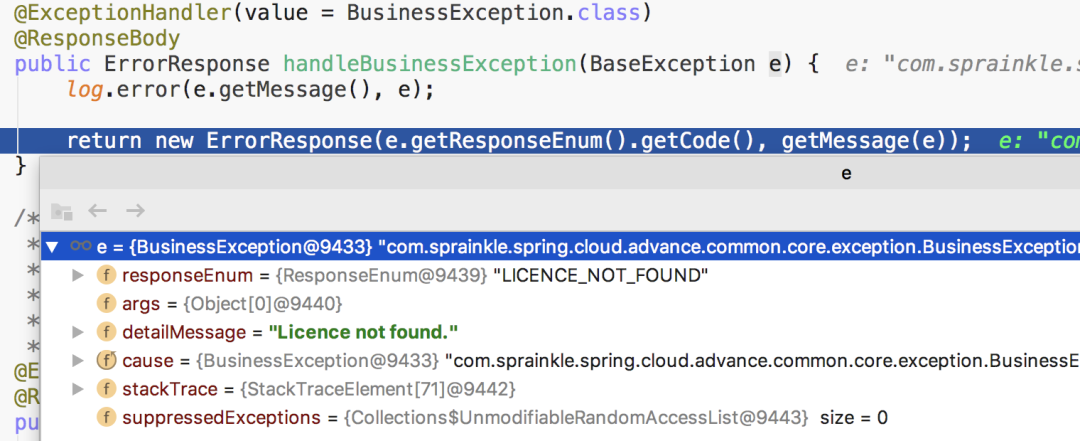
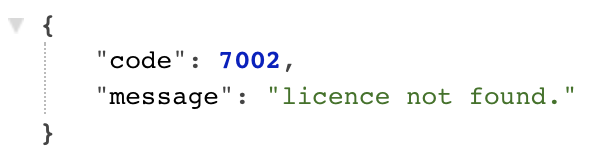 2. 根據(jù)不存在的
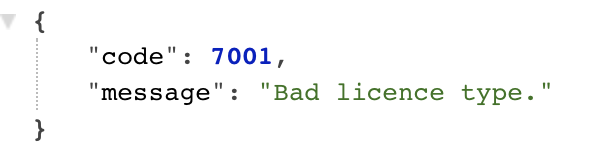
 licence type 獲取 licence 列表:http://localhost:10000/licence/list?licenceType=ddd。可選的 licence type 為:user、core-prod 。
校驗非空
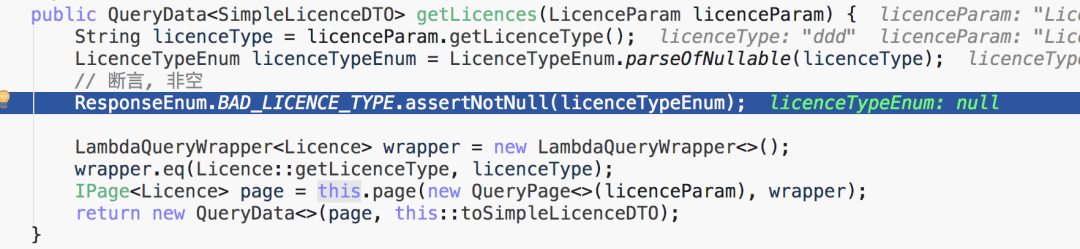
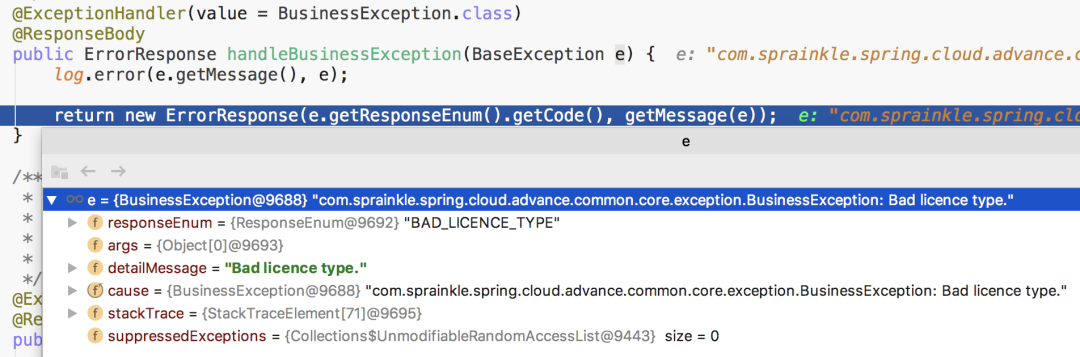
 捕獲進(jìn)入 Controller 前的異常
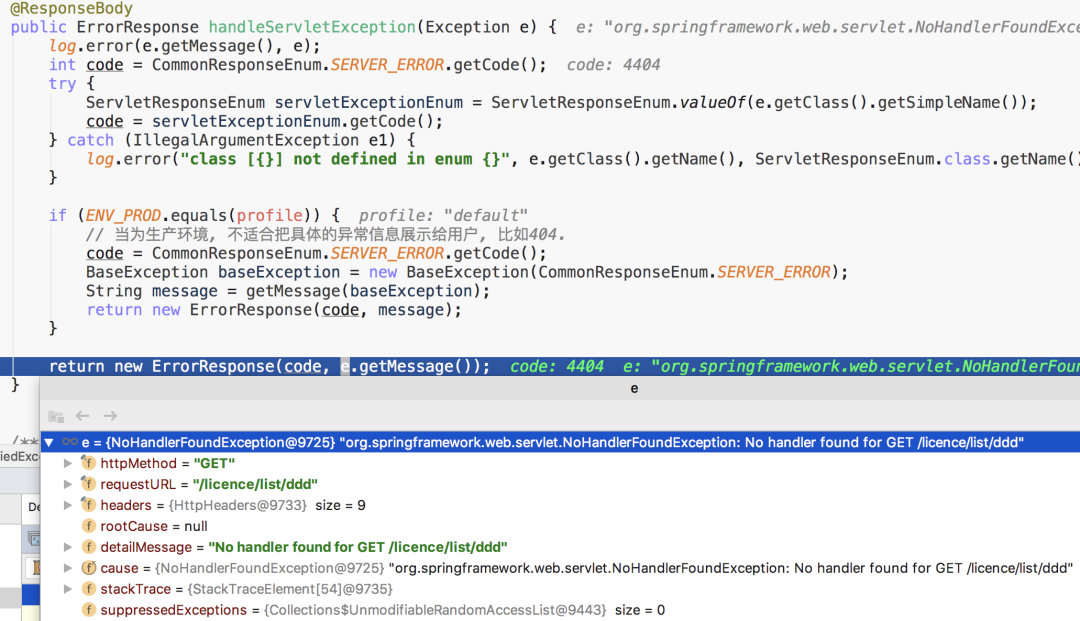
1. 訪問不存在的接口:http://localhost:10000/licence/list/ddd
捕獲404異常

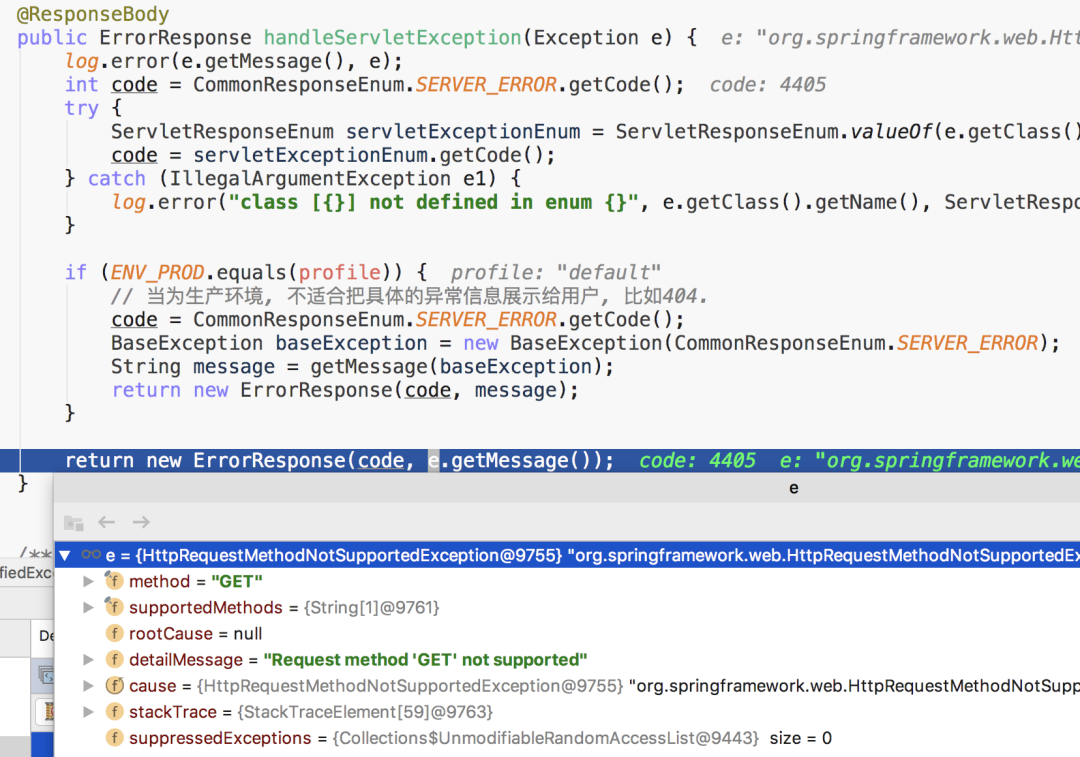


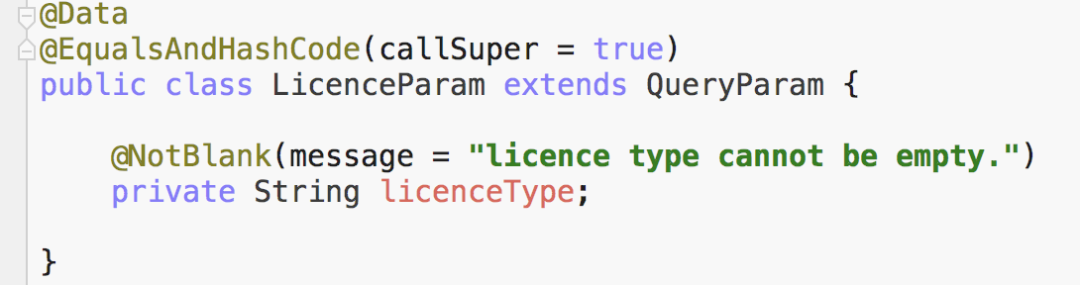

licence type cannot be empty
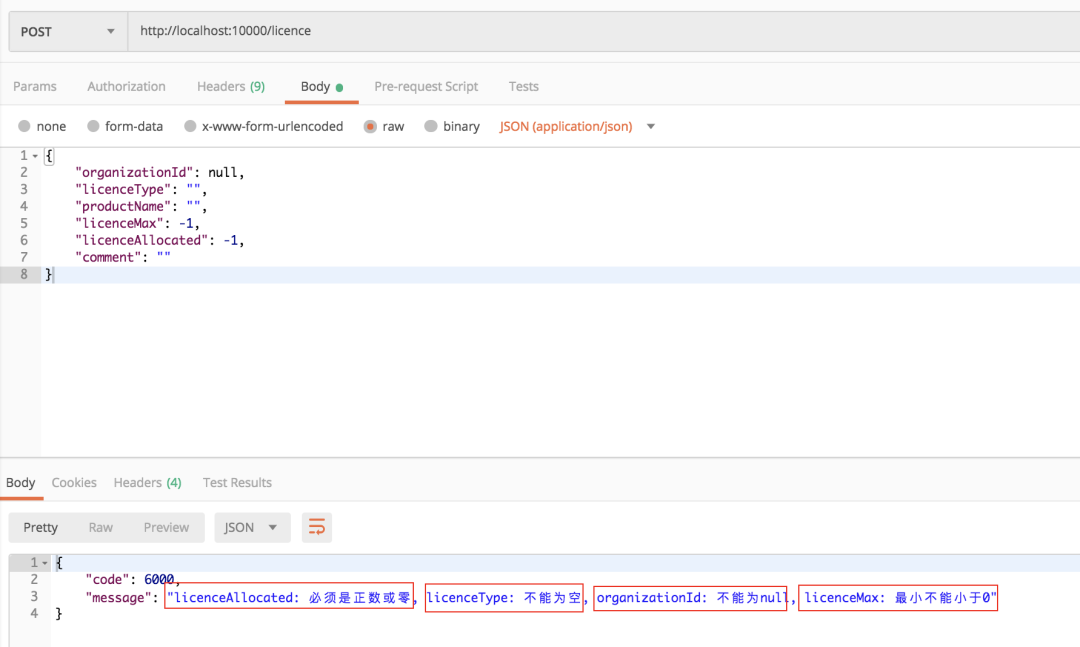
 4. 校驗異常2:post 請求,這里使用postman模擬。
addLicence



捕獲未知異常
Licence 新增一個字段 test,但不修改數(shù)據(jù)庫表結(jié)構(gòu),然后訪問:http://localhost:10000/licence/1。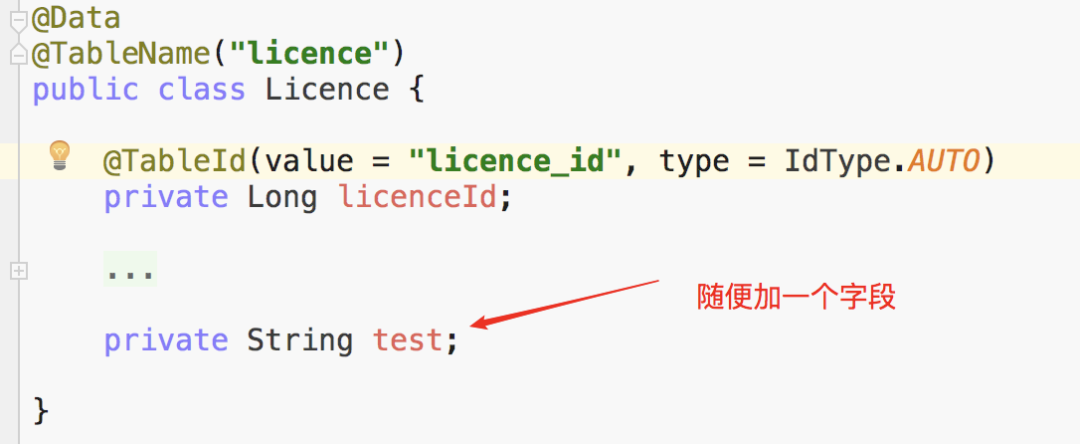

小結(jié)
code、message 的形式返回。每一個項目/模塊,在定義業(yè)務(wù)異常的時候,只需定義一個枚舉類,然后實現(xiàn)接口 BusinessExceptionAssert,最后為每一種業(yè)務(wù)異常定義對應(yīng)的枚舉實例即可,而不用定義許多異常類。使用的時候也很方便,用法類似斷言。擴(kuò)展
ServletException,因為都是一長串的異常信息,若直接展示給用戶看,顯得不夠?qū)I(yè),于是,我們可以這樣做:當(dāng)檢測到當(dāng)前環(huán)境是生產(chǎn)環(huán)境,那么直接返回 "網(wǎng)絡(luò)異常"。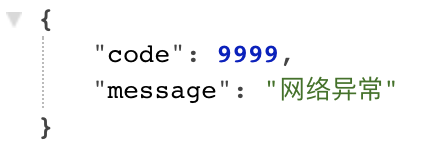
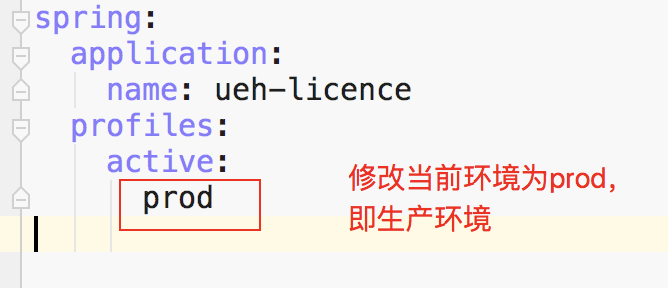
總結(jié)
spring cloud security 后,還會有認(rèn)證/授權(quán)異常,網(wǎng)關(guān)的服務(wù)降級異常、跨模塊調(diào)用異常、遠(yuǎn)程調(diào)用第三方服務(wù)異常等,這些異常的捕獲方式與本文介紹的不太一樣,不過限于篇幅,這里不做詳細(xì)說明,以后會有單獨的文章介紹。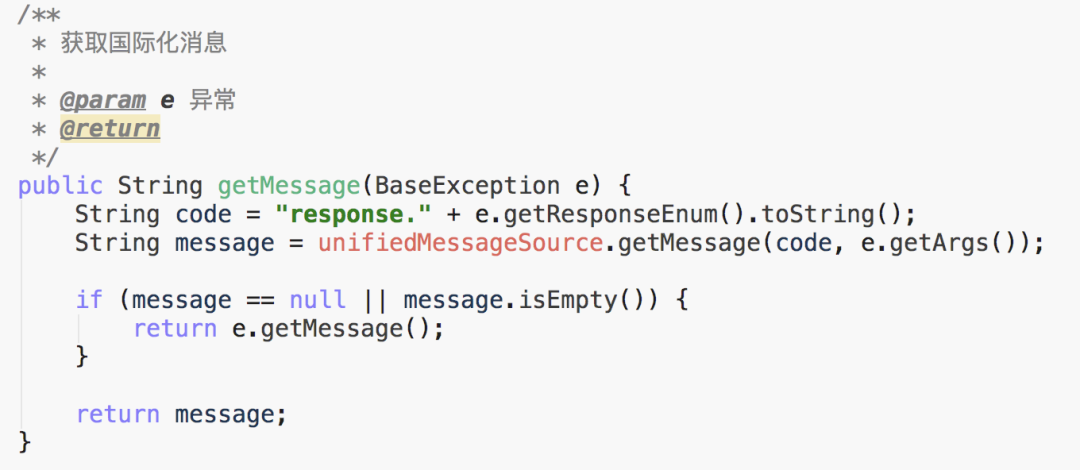
@Slf4j
@RestControllerAdvice
public?class?GlobalExceptionHandler?{

????/**
?????* 沒有登錄
?????* @param?request
?????* @param?response
?????* @param?e
?????* @return
?????*/
????@ExceptionHandler(NoLoginException.class)
????public?Object noLoginExceptionHandler(HttpServletRequest request,HttpServletResponse response,Exception e)
????{
????????log.error("[GlobalExceptionHandler][noLoginExceptionHandler] exception",e);
????????JsonResult jsonResult = new?JsonResult();
????????jsonResult.setCode(JsonResultCode.NO_LOGIN);
????????jsonResult.setMessage("用戶登錄失效或者登錄超時,請先登錄");
????????return?jsonResult;
????}

????/**
?????* 業(yè)務(wù)異常
?????* @param?request
?????* @param?response
?????* @param?e
?????* @return
?????*/
????@ExceptionHandler(ServiceException.class)
????public?Object businessExceptionHandler(HttpServletRequest request,HttpServletResponse response,Exception e)
????{
????????log.error("[GlobalExceptionHandler][businessExceptionHandler] exception",e);
????????JsonResult jsonResult = new?JsonResult();
????????jsonResult.setCode(JsonResultCode.FAILURE);
????????jsonResult.setMessage("業(yè)務(wù)異常,請聯(lián)系管理員");
????????return?jsonResult;
????}

????/**
?????* 全局異常處理
?????* @param?request
?????* @param?response
?????* @param?e
?????* @return
?????*/
????@ExceptionHandler(Exception.class)
????public?Object exceptionHandler(HttpServletRequest request,HttpServletResponse response,Exception e)
????{
????????log.error("[GlobalExceptionHandler][exceptionHandler] exception",e);
????????JsonResult jsonResult = new?JsonResult();
????????jsonResult.setCode(JsonResultCode.FAILURE);
????????jsonResult.setMessage("系統(tǒng)錯誤,請聯(lián)系管理員");
????????return?jsonResult;
????}
}
關(guān)注一下,用心推送