
java實現(xiàn)錄音功能
點擊上方藍(lán)色字體,選擇“標(biāo)星公眾號”
優(yōu)質(zhì)文章,第一時間送達(dá)
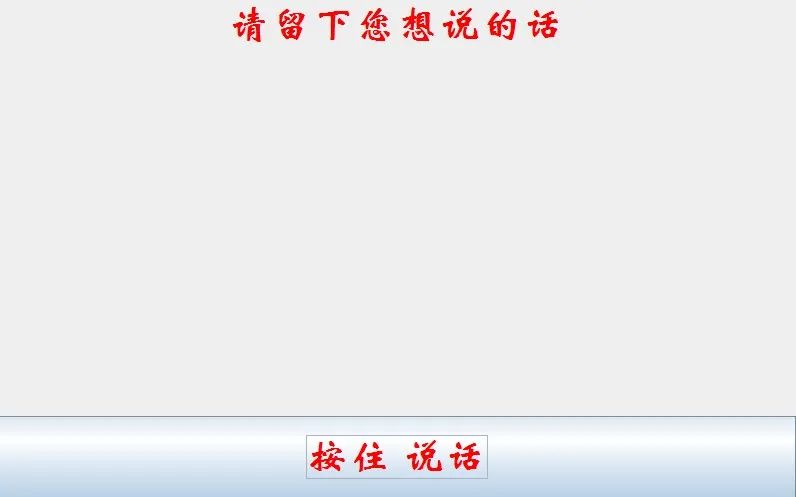
前幾次博客中也是用java實現(xiàn)錄音機的各種功能,這次是比先前有了一點優(yōu)化,將錄音的功能單獨提取出來,這個程序的實現(xiàn)用到了編碼器LAME.exe這個的作用是將錄音得到的wav文件編碼成MP3文件,這樣的結(jié)果是容量大大減少,因為LAME編碼器經(jīng)測試在編碼過程中路徑中帶有空格問題未能解決,所以只能找了一個笨的方法,為了將其放到指定的文件夾下(這個文件夾路徑是帶有空格的),所以只能先存放到D盤,然后利用文件操作將其復(fù)制到指定的路徑下,然后再刪除,程序中還用到了圖片,修改了java的圖標(biāo),所以在運行時可將其注釋掉,寫的很爛,相互學(xué)習(xí)哈!
/*
 * 實現(xiàn)錄音機的功能
 * 1.在原來的基礎(chǔ)上界面更加精簡,字體變大使用戶更加方便
 * 2.在停止錄音后便直接保存為.mp3文件
 * 3.對停止錄音進(jìn)行改進(jìn),將錄音按鈕設(shè)計成類似微信的形式,按下時進(jìn)行錄音,松開即停止錄音并保存即可
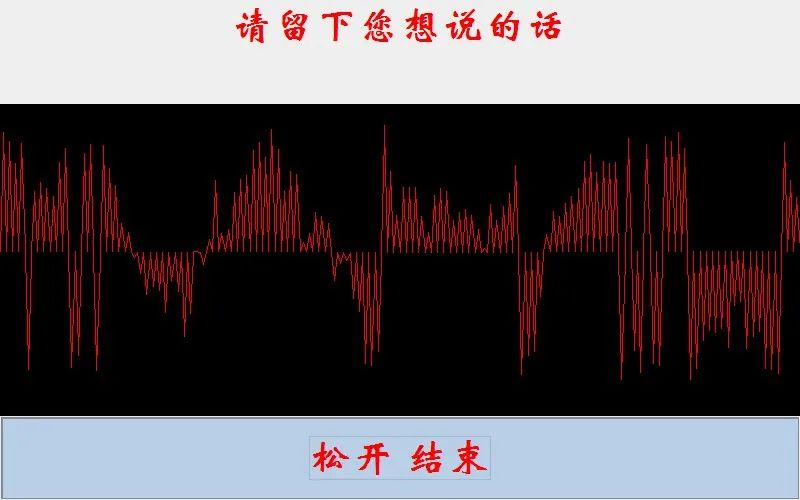
 * 4.在錄音的時候在面板上顯示音頻波,表示正在錄音
 */
package com.liuyun.MyRecord6;

import java.awt.*;

import javax.swing.*;
import java.awt.event.*;
import java.io.*;

import javax.sound.sampled.*;

import java.lang.*;

public class MyRecord6 extends JFrame implements MouseListener{

 //定義錄音格式
 AudioFormat af = null;
 //定義目標(biāo)數(shù)據(jù)行,可以從中讀取音頻數(shù)據(jù),該 TargetDataLine 接口提供從目標(biāo)數(shù)據(jù)行的緩沖區(qū)讀取所捕獲數(shù)據(jù)的方法。
 TargetDataLine td = null;
 //定義源數(shù)據(jù)行,源數(shù)據(jù)行是可以寫入數(shù)據(jù)的數(shù)據(jù)行。它充當(dāng)其混頻器的源。應(yīng)用程序?qū)⒁纛l字節(jié)寫入源數(shù)據(jù)行,這樣可處理字節(jié)緩沖并將它們傳遞給混頻器。
 SourceDataLine sd = null;
 //定義字節(jié)數(shù)組輸入輸出流
 ByteArrayInputStream bais = null;
 ByteArrayOutputStream baos = null;
 //定義音頻輸入流
 AudioInputStream ais = null;
 //定義停止錄音的標(biāo)志,來控制錄音線程的運行
 Boolean stopflag = false;
 //記錄開始錄音的時間
 long startPlay;
 //設(shè)置一個播放的標(biāo)志
 Boolean playflag;
 //每次保存的最后的文件名
 File tarFile = null;
 //定義音頻波形每次顯示的字節(jié)數(shù)
 int intBytes = 0;
 //定義每次錄音的時候每次提取字節(jié)來畫音頻波
 byte audioDataBuffer[] = null;
 //定義所需要的組件
 JPanel jp1,jp2,jp3;
 JLabel jl1=null;
 JButton captureBtn;
 //設(shè)置畫波形線程的終止的標(biāo)志
 boolean flag = true;
 //定義播放錄音時的一個計數(shù)值
 int cnt;
 //定義播放錄音時一個緩沖數(shù)組
 byte btsPlay[] = null;

 int gridx, gridy, gridwidth, gridheight, anchor, fill, ipadx, ipady;
 double weightx, weighty;
 Insets inset;
 GridBagConstraints c;

 public static void main(String[] args) {

 //創(chuàng)造一個實例
 MyRecord6 mr = new MyRecord6();

 }
 //構(gòu)造函數(shù)
 public MyRecord6()
 {
  //組件初始化
  jp1 = new JPanel();
  jp2 = new JPanel();
  jp3 = new JPanel();

  //定義jp1的字體
  Font jpFont = new Font("華文新魏",Font.BOLD,40);
  jl1 = new JLabel("請留下您想說的話");
  jl1.setFont(jpFont);
  jl1.setForeground(Color.red);
  jp1.add(jl1);
  //定義按鈕上面的字體
  Font btFont = new Font("華文新魏",Font.BOLD,40);
  captureBtn = new JButton("按住 說話");
  //setForeground可以設(shè)置按鈕上面字體的顏色
  captureBtn.setForeground(Color.RED);
  captureBtn.setFont(btFont);
  //對開始錄音按鈕進(jìn)行鼠標(biāo)監(jiān)聽
  captureBtn.addMouseListener(this);


  this.add(jp1,BorderLayout.NORTH);
  this.add(jp2,BorderLayout.CENTER);
  this.add(jp3,BorderLayout.SOUTH);
  GridBagLayout gridbag = null;
  jp3.setLayout(gridbag = new GridBagLayout());
  gridx=1;
  gridy=2;
  gridwidth=1;
  gridheight=1;
  weightx=1;
  weighty=1;
  anchor=GridBagConstraints.CENTER;
  fill=GridBagConstraints.HORIZONTAL;
  inset=new Insets(1,1,1,1);
  ipadx=0;
  ipady=30;
  c = new GridBagConstraints(gridx, gridy, gridwidth, gridheight,
    weightx, weighty, anchor, fill, inset, ipadx, ipady);
  gridbag.setConstraints(captureBtn, c);
  jp3.add(captureBtn);

  //設(shè)置窗口的屬性
  this.setSize(800,500);
  this.setTitle("錄音機");
  this.setDefaultCloseOperation(JFrame.EXIT_ON_CLOSE);
  //設(shè)置窗口居中
  this.setLocationRelativeTo(null);
  //將窗口的邊框去掉
  this.setUndecorated(true);
  this.setVisible(true);
  //設(shè)置窗口上的圖標(biāo)
  Image img = this.getToolkit().getImage(getClass().getResource("/image/Recorder.jpg"));
  this.setIconImage(img);
  //設(shè)置窗口在最前端顯示
  this.setAlwaysOnTop(true);
 }
 public void mouseClicked(MouseEvent e) {

 }
 public void mousePressed(MouseEvent e) {
  //當(dāng)開始錄音按鈕被按下時就開始錄音
  if(e.getSource().equals(captureBtn))
  {
         //改變按鈕上面的字的內(nèi)容
         captureBtn.setText("松開 結(jié)束");

         //調(diào)用錄音的方法
         capture();

         //記錄開始錄音的時間
         startPlay = System.currentTimeMillis();
  }

 }

 public void mouseReleased(MouseEvent e) {
  //當(dāng)松開錄音按鈕時停止錄音并保存錄音的文件
  if(e.getSource().equals(captureBtn))
  {
   //調(diào)用停止錄音的方法
   stop();
   //當(dāng)松開按鈕后對顯示波形的面板進(jìn)行清空
   jp2.repaint();
   //改變按鈕上面的字的內(nèi)容
   captureBtn.setText("按住 說話");
   //調(diào)用保存錄音的方法
   save();
   //將其放到指定的路徑下
   //定義最終要存放的文件路徑
   String destPath = "D:/Program Files/apache-tomcat-6.0.35/webapps/XWZ/tempFile/";
   copyFile("D:/"+tarFile.getName(), destPath);

   System.exit(0);
  }
 }

 public void mouseEntered(MouseEvent e) {


 }
 public void mouseExited(MouseEvent e) {


 }
 //開始錄音
 public void capture()
 {
  try {
   //af為AudioFormat也就是音頻格式
   af = getAudioFormat();
   DataLine.Info info = new DataLine.Info(TargetDataLine.class,af);
   td = (TargetDataLine)(AudioSystem.getLine(info));

   //打開具有指定格式的行,這樣可使行獲得所有所需的系統(tǒng)資源并變得可操作。
   td.open(af);
   //允許某一數(shù)據(jù)行執(zhí)行數(shù)據(jù) I/O
   td.start();

   //啟動顯示波形的進(jìn)程
   RecordWave aw = new RecordWave();
   Thread t2 = new Thread(aw);
   t2.start();
   //把顯示波形的進(jìn)程標(biāo)志設(shè)為true
   flag = true;

   Record record = new Record();
   Thread t1 = new Thread(record);
   t1.start();
  } catch (Exception ex) {
   ex.printStackTrace();
   return;
  }
 }
 //停止錄音
 public void stop()
 {
  stopflag = true;
  //將畫波形的進(jìn)程終止
  flag = false;
 }
 //保存錄音
 public void save()
 {
  af = getAudioFormat();
        byte audioData[] = baos.toByteArray();
        bais = new ByteArrayInputStream(audioData);
        ais = new AudioInputStream(bais,af, audioData.length / af.getFrameSize());
        //定義最終保存的文件名
        File file = null;
        //寫入文件
        try {
         //以當(dāng)前的時間命名錄音的名字
         //將錄音的文件存放到F盤下語音文件夾下
         File filePath = new File("D:/AudioFile");
         String tarPath = "D:/";
         if(!filePath.exists())
         {//如果文件不存在,則創(chuàng)建該目錄
          filePath.mkdirs();
         }
         long time = System.currentTimeMillis();
         file = new File(filePath+"/"+time+".wav");
            AudioSystem.write(ais, AudioFileFormat.Type.WAVE, file);
            //將錄音產(chǎn)生的wav文件轉(zhuǎn)換為容量較小的mp3格式
            //定義產(chǎn)生后文件名
            tarFile = new File(tarPath+time+".mp3");
            Runtime run = null;
            //測試當(dāng)前的路徑

            try {
    run = Runtime.getRuntime();
    //調(diào)用編碼器來將wav文件轉(zhuǎn)換為mp3文件
                //把編碼得到的mp3文件先存放到D盤下,然后利用文件拷貝函數(shù)將它放到指定的文件夾下同時將D盤下的文件刪除
    Process p=run.exec(filePath+"/"+"lame -b 16 "+filePath+"/"+file.getName()+" "+tarPath+tarFile.getName()); //16為碼率,可自行修改
    //釋放進(jìn)程
    p.getOutputStream().close();
    p.getInputStream().close();
    p.getErrorStream().close();
    //等待
    p.waitFor();

//    //刪除之前保存的的wav文件
//    if(file.exists())
//    {
//     file.delete();
//    }

//    //定義最終要存放的文件路徑
//    String destPath = "D:/Program Files/apache-tomcat-6.0.35/webapps/XWZ/tempFile/";
//    copyFile(tarPath+tarFile.getName(), destPath);
   } catch (Exception e) {
    e.printStackTrace();
   }finally{
    //最后都要執(zhí)行的語句
    //run調(diào)用lame解碼器最后釋放內(nèi)存
    run.freeMemory();
   }

        } catch (Exception e) {
            e.printStackTrace();
        }finally{
         //關(guān)閉流
         try {

          if(bais != null)
          {
           bais.close();
          }
          if(ais != null)
          {
           ais.close();
          }
   } catch (Exception e) {
    e.printStackTrace();
   }
        }
 }
 //文件拷貝方法
 public void copyFile(String srcPath , String destPath)
 {
  File srcFile = new File(srcPath);
  //如果目的文件夾沒有則創(chuàng)建目的文件夾
  (new File(destPath)).mkdirs();
  //在目的文件夾下創(chuàng)建要復(fù)制的文件
  File destFile = new File(destPath+"/"+srcFile.getName());
  if(srcFile.isFile() && srcFile.exists())
  {
   InputStream in = null;
   OutputStream out = null;
   try {
    in = new FileInputStream(srcFile);
    out = new FileOutputStream(destFile);
    //設(shè)置緩沖數(shù)組
    byte[] buff = new byte[1024*5];
          int len = 0;
          while ((len = in.read(buff)) != -1)
          {
              out.write(buff, 0, len);
          }
//          //測試該函數(shù)是否執(zhí)行
//          System.out.println("ok1");

   } catch(Exception e) {
    e.printStackTrace();
   }finally{
    //關(guān)閉流,先開的后關(guān)閉
    try {
     if(out != null)
     {
      out.close();
     }
     if(in != null)
     {
      in.close();
     }
    } catch (Exception e) {
     e.printStackTrace();
    }
   }
  }
  //復(fù)制過后刪除源文件夾中的的文件
  if(srcFile.exists())
  {
   srcFile.delete();
  }
 }
 //設(shè)置AudioFormat的參數(shù)
 public AudioFormat getAudioFormat()
 {
  //下面注釋部分是另外一種音頻格式,兩者都可以
  AudioFormat.Encoding encoding = AudioFormat.Encoding.
        PCM_SIGNED ;
  float rate = 8000f;
  int sampleSize = 16;
  String signedString = "signed";
  boolean bigEndian = true;
  int channels = 1;
  return new AudioFormat(encoding, rate, sampleSize, channels,
    (sampleSize / 8) * channels, rate, bigEndian);
//  //采樣率是每秒播放和錄制的樣本數(shù)
//  float sampleRate = 16000.0F;
//  // 采樣率8000,11025,16000,22050,44100
//  //sampleSizeInBits表示每個具有此格式的聲音樣本中的位數(shù)
//  int sampleSizeInBits = 16;
//  // 8,16
//  int channels = 1;
//  // 單聲道為1,立體聲為2
//  boolean signed = true;
//  // true,false
//  boolean bigEndian = true;
//  // true,false
//  return new AudioFormat(sampleRate, sampleSizeInBits, channels, signed,bigEndian);
 }
 //錄音類,因為要用到MyRecord類中的變量,所以將其做成內(nèi)部類
 class Record implements Runnable
 {
  //定義存放錄音的字節(jié)數(shù)組,作為緩沖區(qū)
  byte bts[] = new byte[10000];
  //將字節(jié)數(shù)組包裝到流里,最終存入到baos中
  //重寫run函數(shù)
  public void run() {
   baos = new ByteArrayOutputStream();
   try {
    stopflag = false;
    while(stopflag != true)
    {
     //當(dāng)停止錄音沒按下時,該線程一直執(zhí)行
     //從數(shù)據(jù)行的輸入緩沖區(qū)讀取音頻數(shù)據(jù)。
     //要讀取bts.length長度的字節(jié),cnt 是實際讀取的字節(jié)數(shù)
     int cnt = td.read(bts, 0, bts.length);
     if(cnt > 0)
     {
      baos.write(bts, 0, cnt);
     }

     //開始從音頻流中讀取字節(jié)數(shù)
     byte copyBts[] = bts;
     bais = new ByteArrayInputStream(copyBts);
     ais = new AudioInputStream(bais, af, copyBts.length/af.getFrameSize());
     try{
      DataLine.Info dataLineInfo = new DataLine.Info(SourceDataLine.class, af);
               sd = (SourceDataLine) AudioSystem.getLine(dataLineInfo);
               sd.open(af);
               sd.start();

               //從音頻流中讀取
               int Buffer_Size = 10000;
               audioDataBuffer = new byte[Buffer_Size];
               int outBytes;

      intBytes = ais.read(audioDataBuffer, 0,audioDataBuffer.length);

//      不寫到混頻器中這樣就不會播放
//      if (intBytes >= 0) {
//       outBytes = sd.write(audioDataBuffer, 0,audioDataBuffer.length);
//      }
     }catch (Exception e) {
      e.printStackTrace();
     }
    }
   } catch (Exception e) {
    e.printStackTrace();
   }finally{
    try {
     //intBytes = -1;
     //關(guān)閉打開的字節(jié)數(shù)組流
     if(baos != null)
     {
      baos.close();
     }
    } catch (Exception e) {
     e.printStackTrace();
    }finally{
     //下面這句td.drain()不能要,這樣如果不播放數(shù)據(jù)就阻塞再次錄音會出現(xiàn)其他程序訪問錯誤
     //td.drain();
     td.close();
     //刷新顯示波形的面板
     jp2.repaint();
    }
   }
  }

 }

 //畫波形的類
 //因為要使用一些主函數(shù)中的數(shù)據(jù),所以做成內(nèi)部類
 class RecordWave extends JPanel implements Runnable
 {
  //用畫筆畫出波形
  public void paint(Graphics g)
  {
   super.paint(g);
   g.fillRect(jp2.getX(),jp2.getY() , 800, 380);
   if( audioDataBuffer != null)
   {
    g.drawLine(jp2.getWidth() / 256, 700, jp2.getWidth() / 256, 700);

    for(int i=0; i<audioDataBuffer.length-1; ++i)
    {
     g.setColor(Color.RED);
     g.drawLine(i * jp2.getWidth() / 256, (int)audioDataBuffer[i]+200 , (i + 1)

       * jp2.getWidth() / 256, (int)audioDataBuffer[i+1]+200);
    }
   }
  }
  public void run()
  {
   //刷新波形
   while(true)
   {
    //System.out.println("ok");
    try {
     synchronized (this) {
      //隔多長時間獲取
      Thread.sleep(300);
     }
    } catch (Exception e) {

     e.printStackTrace();
    }
    this.paint(jp2.getGraphics());
    //終止線程
    if(flag == false)
    {
     break;
    }
   }
  }
 }

}
————————————————
版權(quán)聲明:本文為CSDN博主「jsjliuyun」的原創(chuàng)文章,遵循CC 4.0 BY-SA版權(quán)協(xié)議,轉(zhuǎn)載請附上原文出處鏈接及本聲明。
原文鏈接:
https://blog.csdn.net/computer_liuyun/article/details/17468555
粉絲福利:Java從入門到入土學(xué)習(xí)路線圖
??????

??長按上方微信二維碼 2 秒
感謝點贊支持下哈 
評論
圖片
表情