Spring Boot + Flowable 快速實(shí)現(xiàn)工作流,So Easy!

來源:blog.csdn.net/zhan107876/article/
details/120815560
總覽
使用flowable自帶的flowable-ui制作流程圖 使用springboot開發(fā)流程使用的接口完成流程的業(yè)務(wù)功能
一、flowable-ui部署運(yùn)行
flowable-6.6.0 運(yùn)行 官方demo
參考文檔:
https://flowable.com/open-source/docs/bpmn/ch14-Applications/
1、從官網(wǎng)下載flowable-6.6.0 :?https://github.com/flowable/flowable-engine/releases/download/flowable-6.6.0/flowable-6.6.0.zip
2、將壓縮包中的?flowable-6.6.0\wars\flowable-ui.war?丟到Tomcat中跑起來
3、打開http://localhost:8080/flowable-ui?用賬戶:admin/test 登錄
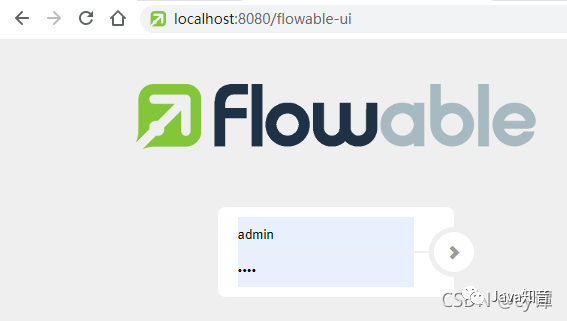
4、進(jìn)入APP.MODELER創(chuàng)建流程,之后可以導(dǎo)出流程到項(xiàng)目中使用,或者配置apache-tomcat-9.0.37\webapps\flowable-ui\WEB-INF\classes\flowable-default.properties連接本地?cái)?shù)據(jù)庫
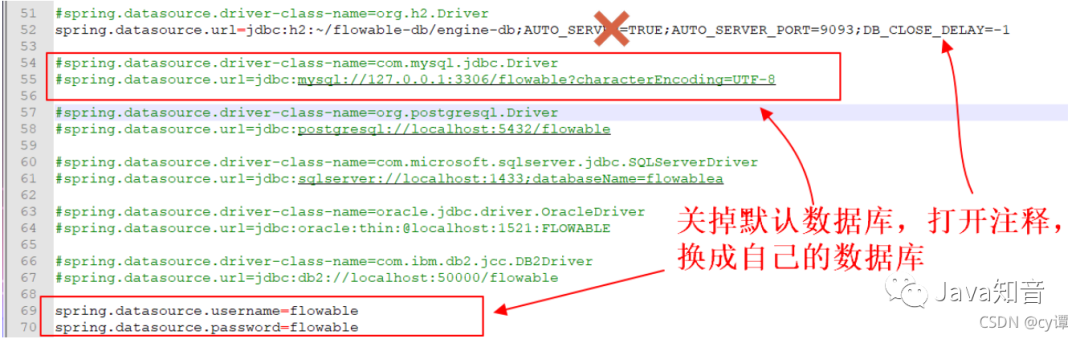
注意:需要將java驅(qū)動(dòng)jar(
mysql-connector-java-5.1.45.jar)復(fù)制到?apache-tomcat-9.0.37\webapps\flowable-rest\WEB-INF\lib
這樣創(chuàng)建的流程后端程序就能直接使用
二、繪制流程圖
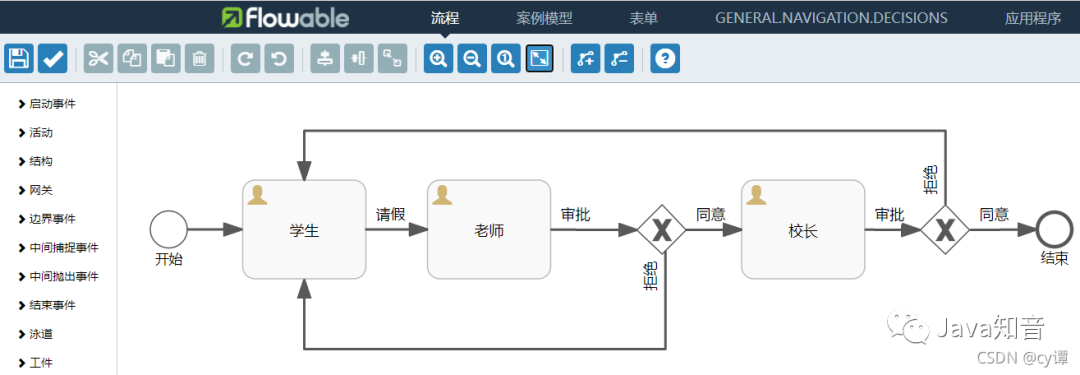
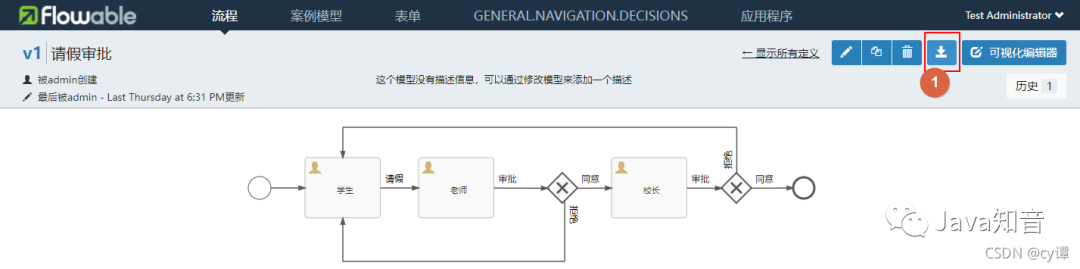
根據(jù)業(yè)務(wù)需要在 flowable-ui>APP.MODELER里面繪制流程圖,示例如上圖。先解釋一些概念。
事件(event)?通常用于為流程生命周期中發(fā)生的事情建模,圖里是【開始、結(jié)束】兩個(gè)圈。 順序流(sequence flow)?是流程中兩個(gè)元素間的連接器。圖里是【箭頭線段】。 網(wǎng)關(guān)(gateway)?用于控制執(zhí)行的流向。圖里是【菱形(中間有X)】 用戶任務(wù)(user task)?用于對需要人工執(zhí)行的任務(wù)進(jìn)行建模。圖里是【矩形】。
簡單的工作流大概就這些元素(還有很多這里就不擴(kuò)展了)。下面描述一下工作流是如何流動(dòng)的。
首先啟動(dòng)了工作流后,由【開始】節(jié)點(diǎn)自動(dòng)流向【學(xué)生】節(jié)點(diǎn),等待該任務(wù)執(zhí)行。任務(wù)被分配的學(xué)生用戶執(zhí)行后流向 【老師】節(jié)點(diǎn),再次等待該任務(wù)執(zhí)行。被分配的老師用戶執(zhí)行后流向 【網(wǎng)關(guān)】,網(wǎng)關(guān)以此檢查每個(gè)出口,流向符合條件的任務(wù),比如這里老師執(zhí)行任務(wù)時(shí)是同意,就流向【校長】節(jié)點(diǎn),等待該任務(wù)執(zhí)行。執(zhí)行后跟老師類似,同意后就流向【結(jié)束】節(jié)點(diǎn),整個(gè)流程到此結(jié)束。
繪圖細(xì)節(jié):
1、保留流程模型
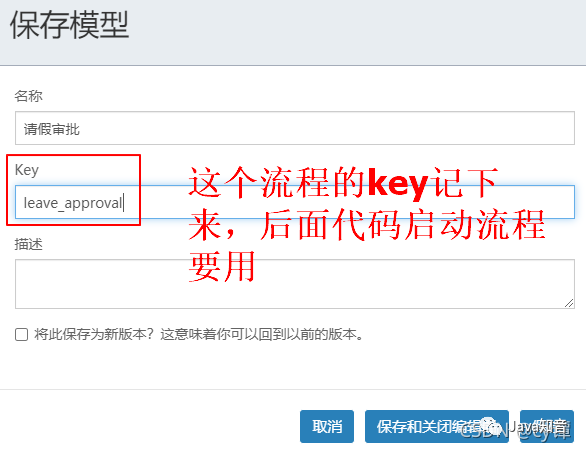
2、順序流可以設(shè)置流條件來限制流動(dòng),比如上面的網(wǎng)關(guān)出口就設(shè)置了條件

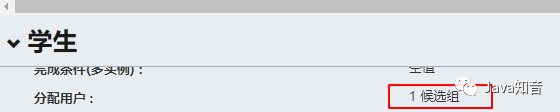
3、任務(wù)需要分配任務(wù)的執(zhí)行用戶,可以分配到候選組,也可以直接分配到候選人
最后導(dǎo)出工作流文件
文件內(nèi)容
<definitions?xmlns="http://www.omg.org/spec/BPMN/20100524/MODEL"?xmlns:xsi="http://www.w3.org/2001/XMLSchema-insmtece"?xmlns:xsd="http://www.w3.org/2001/XMLSchema"?xmlns:flowable="http://flowable.org/bpmn"?xmlns:bpmndi="http://www.omg.org/spec/BPMN/20100524/DI"?xmlns:omgdc="http://www.omg.org/spec/DD/20100524/DC"?xmlns:omgdi="http://www.omg.org/spec/DD/20100524/DI"?typeLanguage="http://www.w3.org/2001/XMLSchema"?expressionLanguage="http://www.w3.org/1999/XPath"?targetNamespace="http://www.flowable.org/processdef">
??<process?id="leave_approval"?name="請假審批"?isExecutable="true">
????<startEvent?id="start"?name="開始"?flowable:initiator="startuser"?flowable:formFieldValidation="true">startEvent>
????<userTask?id="stu_task"?name="學(xué)生"?flowable:candidateGroups="stu_group"?flowable:formFieldValidation="true">userTask>
????<sequenceFlow?id="flow1"?sourceRef="start"?targetRef="stu_task">sequenceFlow>
????<userTask?id="te_task"?name="老師"?flowable:candidateGroups="te_group"?flowable:formFieldValidation="true">userTask>
????<exclusiveGateway?id="getway1"?name="網(wǎng)關(guān)1">exclusiveGateway>
????<userTask?id="mte_task"?name="校長"?flowable:candidateGroups="mte_group"?flowable:formFieldValidation="true">userTask>
????<exclusiveGateway?id="getway2"?name="網(wǎng)關(guān)2">exclusiveGateway>
????<endEvent?id="end"?name="結(jié)束">endEvent>
????<sequenceFlow?id="flow1"?name="請假"?sourceRef="stu_task"?targetRef="te_task"?skipExpression="${command=='agree'}">sequenceFlow>
????<sequenceFlow?id="flow3_1"?name="同意"?sourceRef="getway1"?targetRef="mte_task">
??????<conditionExpression?xsi:type="tFormalExpression">conditionExpression>
????sequenceFlow>
????<sequenceFlow?id="flow2"?name="審批"?sourceRef="te_task"?targetRef="getway1">sequenceFlow>
????<sequenceFlow?id="flow3_2"?name="拒絕"?sourceRef="getway1"?targetRef="stu_task">
??????<conditionExpression?xsi:type="tFormalExpression">conditionExpression>
????sequenceFlow>
????<sequenceFlow?id="flow4"?name="審批"?sourceRef="mte_task"?targetRef="getway2">sequenceFlow>
????<sequenceFlow?id="flow4_1"?name="同意"?sourceRef="getway2"?targetRef="end"?skipExpression="${command=='free'}">
??????<conditionExpression?xsi:type="tFormalExpression">conditionExpression>
????sequenceFlow>
????<sequenceFlow?id="flow4_2"?name="拒絕"?sourceRef="getway2"?targetRef="stu_task">
??????<conditionExpression?xsi:type="tFormalExpression">conditionExpression>
????sequenceFlow>
??process>
??<bpmndi:BPMNDiagram?id="BPMNDiagram_leave_approval">
????這里先省略
??bpmndi:BPMNDiagram>
definitions>
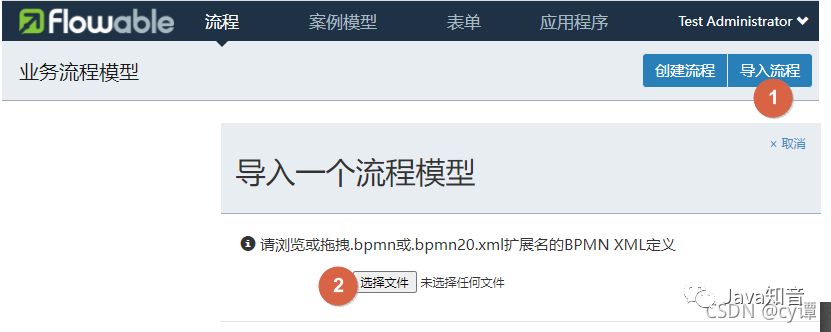
4、bpmn文件導(dǎo)入
如果需要,可以把這個(gè)流程文件下載下來,直接導(dǎo)入使用
三、后臺項(xiàng)目搭建
后臺項(xiàng)目基于jdk8,使用springboot框架
spring 版本
<parent>
????<groupId>org.springframework.bootgroupId>
????<artifactId>spring-boot-starter-parentartifactId>
????<version>2.3.0.RELEASEversion>
????<relativePath/>?
parent>
項(xiàng)目依賴pom.xml
<dependency>
????<groupId>org.flowablegroupId>
????<artifactId>flowable-spring-boot-starterartifactId>
????<version>6.6.0version>
dependency>
<dependency>
????<groupId>mysqlgroupId>
????<artifactId>mysql-connector-javaartifactId>
????<version>5.1.45version>
dependency>
項(xiàng)目配置application.yml
spring:
??datasource:
????url:?jdbc:mysql://localhost:3306/flowable?useSSL=false&characterEncoding=UTF-8&serverTimezone=GMT%2B8
????driver-class-name:?com.mysql.jdbc.Driver
????username:?root
????password:?123456
四、數(shù)據(jù)庫
1、Flowable的所有數(shù)據(jù)庫表都以ACT_開頭。第二部分是說明表用途的兩字符標(biāo)示符。服務(wù)API的命名也大略符合這個(gè)規(guī)則。
2、ACT_RE_: 'RE’代表repository。帶有這個(gè)前綴的表包含“靜態(tài)”信息,例如流程定義與流程資源(圖片、規(guī)則等)。
3、ACT_RU_: 'RU’代表runtime。這些表存儲運(yùn)行時(shí)信息,例如流程實(shí)例(process instance)、用戶任務(wù)(user task)、變量(variable)、作業(yè)(job)等。Flowable只在流程實(shí)例運(yùn)行中保存運(yùn)行時(shí)數(shù)據(jù),并在流程實(shí)例結(jié)束時(shí)刪除記錄。這樣保證運(yùn)行時(shí)表小和快。
4、ACT_HI_: 'HI’代表history。這些表存儲歷史數(shù)據(jù),例如已完成的流程實(shí)例、變量、任務(wù)等。
5、ACT_GE_: 通用數(shù)據(jù)。在多處使用。
1)通用數(shù)據(jù)表(2個(gè))
act_ge_bytearray:二進(jìn)制數(shù)據(jù)表,如流程定義、流程模板、流程圖的字節(jié)流文件; act_ge_property:屬性數(shù)據(jù)表(不常用);
2)歷史表(8個(gè),HistoryService接口操作的表)
act_hi_actinst:歷史節(jié)點(diǎn)表,存放流程實(shí)例運(yùn)轉(zhuǎn)的各個(gè)節(jié)點(diǎn)信息(包含開始、結(jié)束等非任務(wù)節(jié)點(diǎn)); act_hi_attachment:歷史附件表,存放歷史節(jié)點(diǎn)上傳的附件信息(不常用); act_hi_comment:歷史意見表; act_hi_detail:歷史詳情表,存儲節(jié)點(diǎn)運(yùn)轉(zhuǎn)的一些信息(不常用); act_hi_identitylink:歷史流程人員表,存儲流程各節(jié)點(diǎn)候選、辦理人員信息,常用于查詢某人或部門的已辦任務(wù); act_hi_procinst:歷史流程實(shí)例表,存儲流程實(shí)例歷史數(shù)據(jù)(包含正在運(yùn)行的流程實(shí)例); act_hi_taskinst:歷史流程任務(wù)表,存儲歷史任務(wù)節(jié)點(diǎn); act_hi_varinst:流程歷史變量表,存儲流程歷史節(jié)點(diǎn)的變量信息;
3)用戶相關(guān)表(4個(gè),IdentityService接口操作的表)
act_id_group:用戶組信息表,對應(yīng)節(jié)點(diǎn)選定候選組信息; act_id_info:用戶擴(kuò)展信息表,存儲用戶擴(kuò)展信息; act_id_membership:用戶與用戶組關(guān)系表; act_id_user:用戶信息表,對應(yīng)節(jié)點(diǎn)選定辦理人或候選人信息;
4)流程定義、流程模板相關(guān)表(3個(gè),RepositoryService接口操作的表)
act_re_deployment:部屬信息表,存儲流程定義、模板部署信息; act_re_procdef:流程定義信息表,存儲流程定義相關(guān)描述信息,但其真正內(nèi)容存儲在act_ge_bytearray表中,以字節(jié)形式存儲; act_re_model:流程模板信息表,存儲流程模板相關(guān)描述信息,但其真正內(nèi)容存儲在act_ge_bytearray表中,以字節(jié)形式存儲;
5)流程運(yùn)行時(shí)表(6個(gè),RuntimeService接口操作的表)
act_ru_task:運(yùn)行時(shí)流程任務(wù)節(jié)點(diǎn)表,存儲運(yùn)行中流程的任務(wù)節(jié)點(diǎn)信息,重要,常用于查詢?nèi)藛T或部門的待辦任務(wù)時(shí)使用; act_ru_event_subscr:監(jiān)聽信息表,不常用; act_ru_execution:運(yùn)行時(shí)流程執(zhí)行實(shí)例表,記錄運(yùn)行中流程運(yùn)行的各個(gè)分支信息(當(dāng)沒有子流程時(shí),其數(shù)據(jù)與act_ru_task表數(shù)據(jù)是一一對應(yīng)的); act_ru_identitylink:運(yùn)行時(shí)流程人員表,重要,常用于查詢?nèi)藛T或部門的待辦任務(wù)時(shí)使用; act_ru_job:運(yùn)行時(shí)定時(shí)任務(wù)數(shù)據(jù)表,存儲流程的定時(shí)任務(wù)信息; act_ru_variable:運(yùn)行時(shí)流程變量數(shù)據(jù)表,存儲運(yùn)行中的流程各節(jié)點(diǎn)的變量信息;
五、流程引擎API與服務(wù)
引擎API是與Flowable交互的最常用手段。總?cè)肟邳c(diǎn)是ProcessEngine。
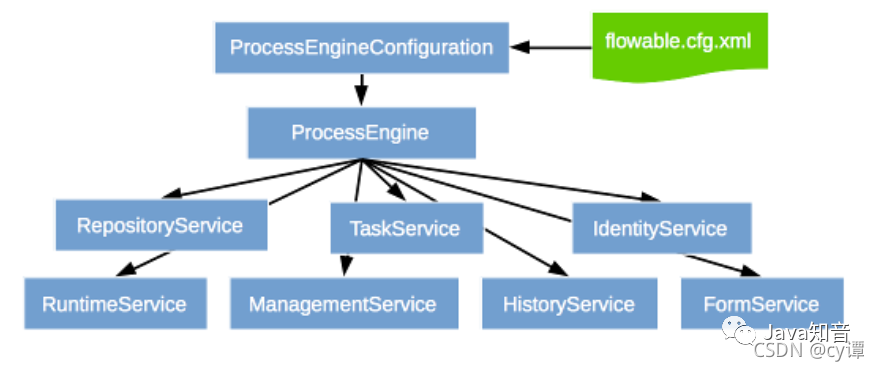
1、RepositoryService很可能是使用Flowable引擎要用的第一個(gè)服務(wù)。這個(gè)服務(wù)提供了管理與控制部署(deployments)與流程定義(process definitions)的操作。管理靜態(tài)信息,
2、RuntimeService用于啟動(dòng)流程定義的新流程實(shí)例。
3、IdentityService很簡單。它用于管理(創(chuàng)建,更新,刪除,查詢……)組與用戶。
4、FormService是可選服務(wù)。也就是說Flowable沒有它也能很好地運(yùn)行,而不必犧牲任何功能。
5、HistoryService暴露Flowable引擎收集的所有歷史數(shù)據(jù)。要提供查詢歷史數(shù)據(jù)的能力。
6、ManagementService通常在用Flowable編寫用戶應(yīng)用時(shí)不需要使用。它可以讀取數(shù)據(jù)庫表與表原始數(shù)據(jù)的信息,也提供了對作業(yè)(job)的查詢與管理操作。
7、DynamicBpmnService可用于修改流程定義中的部分內(nèi)容,而不需要重新部署它。例如可以修改流程定義中一個(gè)用戶任務(wù)的辦理人設(shè)置,或者修改一個(gè)服務(wù)任務(wù)中的類名。
接下來使用之前的請假流程圖,上代碼
代碼
import?lombok.extern.slf4j.Slf4j;
import?org.flowable.engine.HistoryService;
import?org.flowable.engine.RepositoryService;
import?org.flowable.engine.RuntimeService;
import?org.flowable.engine.history.HistoricProcessInstance;
import?org.flowable.engine.repository.Deployment;
import?org.flowable.engine.repository.ProcessDefinition;
import?org.flowable.engine.runtime.Execution;
import?org.flowable.engine.runtime.ProcessInstance;
import?org.flowable.idm.api.Group;
import?org.flowable.idm.api.User;
import?org.flowable.task.api.Task;
import?org.flowable.task.api.history.HistoricTaskInstance;
import?org.springframework.beans.factory.annotation.Autowired;

import?java.io.File;
import?java.io.FileInputStream;
import?java.io.FileNotFoundException;
import?java.util.HashMap;
import?java.util.List;
import?java.util.Map;
import?java.util.zip.ZipInputStream;

/**
?*?TestFlowable
?*
?*?@Author?
?*?@Date:?2021/10/17?23:35
?*?@Version?1.0
?*/
@Slf4j
public?class?TestFlowable?{

????@Autowired
????private?RepositoryService?repositoryService;

????@Autowired
????private?RuntimeService?runtimeService;

????@Autowired
????private?HistoryService?historyService;

????@Autowired
????private?org.flowable.engine.TaskService?taskService;

????@Autowired
????private?org.flowable.engine.IdentityService?identityService;

????public?void?createDeploymentZip()?{

????????/*
?????????*?@Date:?2021/10/17?23:38
?????????*?Step?1:?部署xml(壓縮到zip形式,直接xml需要配置相對路徑,麻煩,暫不用)
?????????*/
????????try?{
????????????File?zipTemp?=?new?File("f:/leave_approval.bpmn20.zip");
????????????ZipInputStream?zipInputStream?=?new?ZipInputStream(new?FileInputStream(zipTemp));
????????????Deployment?deployment?=?repositoryService
????????????????????.createDeployment()
????????????????????.addZipInputStream(zipInputStream)
????????????????????.deploy();
????????????log.info("部署成功:{}",?deployment.getId());
????????}?catch?(FileNotFoundException?e)?{
????????????e.printStackTrace();
????????}

????????/*
?????????*?@Date:?2021/10/17?23:40
?????????*?Step?2:?查詢部署的流程定義
?????????*/
????????List?list?=?repositoryService.createProcessDefinitionQuery().processDefinitionKey("leave_approval").list();
????????List?pages?=?repositoryService.createProcessDefinitionQuery().processDefinitionKey("leave_approval").listPage(1,?30);

????????/*
?????????*?@Date:?2021/10/17?23:40
?????????*?Step?3:?啟動(dòng)流程,創(chuàng)建實(shí)例
?????????*/
????????String?processDefinitionKey?=?"leave_approval";//流程定義的key,對應(yīng)請假的流程圖
????????String?businessKey?=?"schoolleave";//業(yè)務(wù)代碼,根據(jù)自己的業(yè)務(wù)用
????????Map?variablesDefinition?=?new?HashMap<>();//流程變量,可以自定義擴(kuò)充
????????ProcessInstance?processInstance?=?runtimeService.startProcessInstanceByKey(processDefinitionKey,?businessKey,?variablesDefinition);
????????log.info("啟動(dòng)成功:{}",?processInstance.getId());

????????/*
?????????*?@Date:?2021/10/17?23:40
?????????*?Step?4:?查詢指定流程所有啟動(dòng)的實(shí)例列表
?????????*?列表,或?分頁?刪除
?????????*/
????????List?executions?=?runtimeService.createExecutionQuery().processDefinitionKey("leave_approval").list();
????????List?executionPages?=?runtimeService.createExecutionQuery().processDefinitionKey("leave_approval").listPage(1,?30);
//????????runtimeService.deleteProcessInstance(processInstanceId,?deleteReason);?//刪除實(shí)例

????????/*
?????????*?@Date:?2021/10/17?23:40
?????????*?Step?5:?學(xué)生查詢可以操作的任務(wù),并完成任務(wù)
?????????*/
????????String?candidateGroup?=?"stu_group";?//候選組?xml文件里面的?flowable:candidateGroups="stu_group"
????????List?taskList?=?taskService.createTaskQuery().taskCandidateGroup(candidateGroup).orderByTaskCreateTime().desc().list();
????????for?(Task?task?:?taskList)?{
????????????//?申領(lǐng)任務(wù)
????????????taskService.claim(task.getId(),?"my");
????????????//?完成
????????????taskService.complete(task.getId());
????????}

????????/*
?????????*?@Date:?2021/10/17?23:40
?????????*?Step?6:?老師查詢可以操作的任務(wù),并完成任務(wù)
?????????*/
????????String?candidateGroupTe?=?"te_group";?//候選組?xml文件里面的?flowable:candidateGroups="te_group"
????????List?taskListTe?=?taskService.createTaskQuery().taskCandidateGroup(candidateGroupTe).orderByTaskCreateTime().desc().list();
????????for?(Task?task?:?taskListTe)?{
????????????//?申領(lǐng)任務(wù)
????????????taskService.claim(task.getId(),?"myte");
????????????//?完成
????????????Map?variables?=?new?HashMap<>();
????????????variables.put("command","agree");?//攜帶變量,用于網(wǎng)關(guān)流程的條件判定,這里的條件是同意
????????????taskService.complete(task.getId(),?variables);
????????}

????????/*
?????????*?@Date:?2021/10/18?0:17
?????????*?Step?7:?歷史查詢,因?yàn)橐坏┝鞒虉?zhí)行完畢,活動(dòng)的數(shù)據(jù)都會(huì)被清空,上面查詢的接口都查不到數(shù)據(jù),但是提供歷史查詢接口
?????????*/
????????//?歷史流程實(shí)例
????????List?historicProcessList?=?historyService.createHistoricProcessInstanceQuery().processDefinitionKey("leave_approval").list();
????????//?歷史任務(wù)
????????List?historicTaskList?=?historyService.createHistoricTaskInstanceQuery().processDefinitionKey("leave_approval").list();
????????//?實(shí)例歷史變量?,?任務(wù)歷史變量
????????//?historyService.createHistoricVariableInstanceQuery().processInstanceId(processInstanceId);
????????//?historyService.createHistoricVariableInstanceQuery().taskId(taskId);

????????//?*****************************************************分隔符********************************************************************
????????//?*****************************************************分隔符********************************************************************
????????//?可能還需要的API
????????//?移動(dòng)任務(wù),人為跳轉(zhuǎn)任務(wù)
????????//?runtimeService.createChangeActivityStateBuilder().processInstanceId(processInstanceId)
????????//???????.moveActivityIdTo(currentActivityTaskId,?newActivityTaskId).changeState();

????????//?如果在數(shù)據(jù)庫配置了分組和用戶,還會(huì)用到
????????List?users?=?identityService.createUserQuery().list();????//用戶查詢,用戶id對應(yīng)xml?里面配置的用戶
????????List?groups?=?identityService.createGroupQuery().list();?//分組查詢,分組id對應(yīng)xml?里面配置的分組?如?stu_group,te_group?在表里是id的值

????????//?另外,每個(gè)查詢后面都可以拼條件,內(nèi)置恁多查詢,包括模糊查詢,大小比較都有
????}
}
五、參考資料
分享牛Flowable文檔漢化:https://github.com/qiudaoke/flowable-userguide 貓七姑娘 flowable-6.6.0 運(yùn)行官方 demo 華格瑞沙 https://www.cnblogs.com/yangjiming/p/10938515.html
關(guān)注Java禿頭哥,每天一道面試題?
點(diǎn)贊是最大的支持?