spring-cloud-oauth2實(shí)現(xiàn)用戶認(rèn)證及單點(diǎn)登錄
點(diǎn)擊上方藍(lán)色字體,選擇“標(biāo)星公眾號(hào)”
優(yōu)質(zhì)文章,第一時(shí)間送達(dá)
? 作者?|??工程師小哥
來源 |? urlify.cn/mI3qEz
66套java從入門到精通實(shí)戰(zhàn)課程分享
需求
在微服務(wù)架構(gòu)中,我們有很多業(yè)務(wù)模塊,每個(gè)模塊都需要有用戶認(rèn)證,權(quán)限校驗(yàn)。有時(shí)候也會(huì)接入來自第三方廠商的應(yīng)用。要求是只登錄一次,即可在各個(gè)服務(wù)的授權(quán)范圍內(nèi)進(jìn)行操作。看到這個(gè)需求,立馬就想到了這不就是單點(diǎn)登錄嗎?于是基于這樣的需求,作者使用spring-cloud-oauth2去簡單的實(shí)現(xiàn)了下用戶認(rèn)證和單點(diǎn)登錄。
相關(guān)介紹
OAuth2
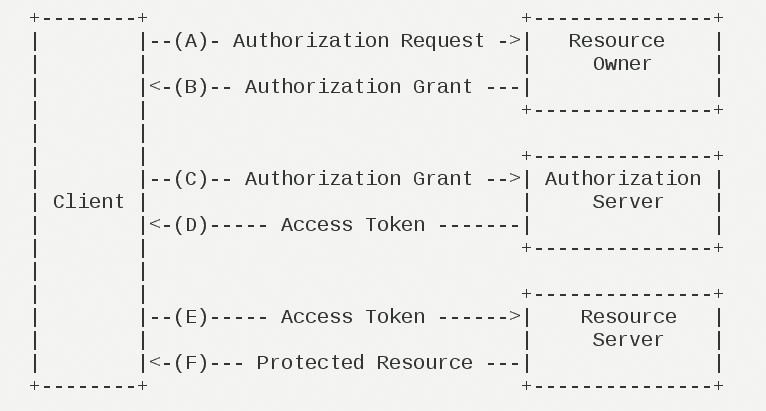
OAuth2是一個(gè)關(guān)于授權(quán)的網(wǎng)絡(luò)標(biāo)準(zhǔn),他定制了設(shè)計(jì)思路和執(zhí)行流程。OAuth2一共有四種授權(quán)模式:授權(quán)碼模式(authorization code)、簡化模式(implicit)、密碼模式(resource owner password)和客戶端模式(client credentials)。數(shù)據(jù)的所有者告訴系統(tǒng)同意授權(quán)第三方應(yīng)用進(jìn)入系統(tǒng),獲取這些數(shù)據(jù)。于是數(shù)據(jù)所有者生產(chǎn)了一個(gè)短時(shí)間內(nèi)有效的授權(quán)碼(token)給第三方應(yīng)用,用來代替密碼,供第三方使用。具體流程請(qǐng)看下圖,具體的OAuth2介紹,可以參考這篇文章,寫的很詳細(xì)。(http://www.ruanyifeng.com/blog/2019/04/oauth_design.html)
Token
令牌(token)和密碼(password)的作用是一樣的,都可以進(jìn)入系統(tǒng)獲取資源,但是也有幾點(diǎn)不同:
令牌是短期的,到期會(huì)自動(dòng)失效,用戶無法修改。密碼是長期的,用戶可以修改,如果不修改,就不會(huì)發(fā)生變化。
令牌可以被數(shù)據(jù)所有者撤銷,令牌會(huì)立即失效。密碼一般不允許其他人撤銷,只能被操作權(quán)限更高的人或者本人修改/重制。
令牌是有權(quán)限范圍的,會(huì)被數(shù)據(jù)所有者授予。
實(shí)現(xiàn)的功能
本篇介紹的是通過密碼模式來實(shí)現(xiàn)單點(diǎn)登錄的功能。
在微服務(wù)架構(gòu)中,我們的一個(gè)應(yīng)用可能會(huì)有很多個(gè)服務(wù)運(yùn)行,協(xié)調(diào)來處理實(shí)際的業(yè)務(wù)。這就需要用到單點(diǎn)登錄的技術(shù),來統(tǒng)一認(rèn)證調(diào)取接口的是哪個(gè)用戶。那總不能請(qǐng)求一次,就認(rèn)證一次,這么做肯定是不行的。那么就需要在認(rèn)證完用戶之后,給這個(gè)用戶授權(quán),然后發(fā)一個(gè)令牌(token),有效期內(nèi)用戶請(qǐng)求資源時(shí),就只需要帶上這個(gè)標(biāo)識(shí)自己身份的token即可。
架構(gòu)說明
認(rèn)證中心:oauth2-oauth-server,OAuth2的服務(wù)端,主要完成用戶Token的生成、刷新、驗(yàn)證等。
微服務(wù):mzh-etl,微服務(wù)之一,接收到請(qǐng)求之后回到認(rèn)證中心(oauth2-oauth-server)去驗(yàn)證。
代碼實(shí)現(xiàn)
使用到的框架是java基礎(chǔ)的spring boot 和spring-cloud-oauth2
認(rèn)證中心:
1、引入需要的maven包
????org.springframework.boot
????spring-boot-starter-web


????org.springframework.cloud
????spring-cloud-starter-oauth2


????org.springframework.boot
????spring-boot-starter-data-redis


????org.springframework.boot
????spring-boot-starter-actuator
因?yàn)?/span>spring-cloud-starter-oauth2中包含了spring-cloud-starter-security,所以就不用再單獨(dú)引入了,引入redis包是為了使用redis來存儲(chǔ)token。
2、配置application.yml
這里主要用到的是redis的配置,mysql數(shù)據(jù)庫的配置暫時(shí)沒有用到。
spring:
??application:
????name:?oauth-server
??datasource:
????url:?jdbc:mysql://localhost:3306/mzh_oauth?useSSL=false&characterEncoding=UTF-8
????username:?root
????password:?admin123
????driver-class-name:?com.mysql.jdbc.Driver
????hikari:
??????connection-timeout:?30000
??????idle-timeout:?600000
??????max-lifetime:?1800000
??????maximum-pool-size:?9
??redis:
????database:?0
????host:?localhost
????port:?6379
????jedis:
??????pool:
????????max-active:?8
????????max-idle:?8
????????min-idle:?0
????timeout:?10000
server:
??port:?8888
??use-forward-headers:?true

management:
??endpoint:
????health:
??????enabled:?true
3、spring security 權(quán)限配置
需要繼承WebSecurityConfigurerAdapter
/**
?*?@Author?mzh
?*?@Date?2020/10/24
?*/
@Configuration
@EnableWebSecurity
@EnableGlobalMethodSecurity(prePostEnabled?=?true)
public?class?WebSecurityConfig?extends?WebSecurityConfigurerAdapter?{

????@Autowired
????private?CustomUserDetailsService?customUserDetailsService;
??
????/**
?????*?修改密碼的加密方式
?????*?@return
?????*/
????@Bean
????public?PasswordEncoder?passwordEncoder(){
????????return?new?BCryptPasswordEncoder();
????}

????@Bean
????@Override
????public?AuthenticationManager?authenticationManagerBean()?throws?Exception{
????????return?super.authenticationManagerBean();
????}

????@Override
????protected?void?configure(AuthenticationManagerBuilder?auth)?throws?Exception{
???????//?如果使用BCryptPasswordEncoder,這里就必須指定密碼的加密類
???????auth.userDetailsService(customUserDetailsService).passwordEncoder(passwordEncoder());
????}

????@Override
????protected?void?configure(HttpSecurity?http)?throws?Exception?{
????????http.authorizeRequests()
????????????????.antMatchers("/oauth/**").permitAll();
????}
}
BCryptPasswordEncoder是一個(gè)不可逆的密碼加密類,AuthenticationManager是OAuth2的password必須指定的授權(quán)管理Bean。
CustomUserDetailsService這個(gè)類是被注入進(jìn)來的,熟悉spring security的同學(xué)應(yīng)該知道,spring security有一個(gè)自己的UserdetailsService用于權(quán)限校驗(yàn)時(shí)獲取用戶信息,但是很多時(shí)候不符合我們的業(yè)務(wù)場(chǎng)景,就需要重現(xiàn)實(shí)現(xiàn)這個(gè)類。
4、實(shí)現(xiàn)CustomUserDetailsService
UserDetailsService這個(gè)類的核心方法就是loadUserByUsername()方法,他接收一個(gè)用戶名,返回一個(gè)UserDetails對(duì)象。
/**
?*?@Author?mzh
?*?@Date?2020/10/24
?*/
@Component(value?=?"customUserDetailsService")
public?class?CustomUserDetailsService?implements?UserDetailsService?{

????@Autowired
????private?PasswordEncoder?passwordEncoder;

????@Override
????public?UserDetails?loadUserByUsername(String?username)?throws?UsernameNotFoundException?{
????????//?1.?根據(jù)username?去數(shù)據(jù)庫查詢?user

????????//?2.獲取用戶的角色和權(quán)限

????????//?下面是寫死,暫時(shí)不和數(shù)據(jù)庫交互
????????if(!(("admin").equals(username))){
????????????throw?new?UsernameNotFoundException("the?user?is?not?found");
????????}else{
????????????String?role?=?"ADMIN_ROLE";
????????????List?authorities?=?new?ArrayList<>();
????????????authorities.add(new?SimpleGrantedAuthority(role));
????????????String?password?=?passwordEncoder.encode("123456");
????????????return?new?User(username,password,authorities);
????????}
????}
}
這里是在程序中寫死了用戶和權(quán)限。賬號(hào):admin,密碼:123456,權(quán)限:ADMIN_ROLE(注意是權(quán)限,不是角色),實(shí)際中應(yīng)該從數(shù)據(jù)庫獲取用戶和相關(guān)的權(quán)限,然后進(jìn)行認(rèn)證。
5、OAuth2 配置
OAuth2配置需要繼承AuthorizationServerConfigurerAdapter類
/**
?*?@Author?mzh
?*?@Date?2020/10/24
?*/
@Configuration
@EnableAuthorizationServer
public?class?Oauth2Config?extends?AuthorizationServerConfigurerAdapter?{

????@Autowired
????private?PasswordEncoder?passwordEncoder;

????@Autowired
????private?UserDetailsService?customUserDetailsService;

????@Autowired
????private?AuthenticationManager?authenticationManager;

????@Autowired
????private?TokenStore?redisTokenStore;

????/**
?????*?對(duì)AuthorizationServerEndpointsConfigurer參數(shù)的重寫
?????*?重寫授權(quán)管理Bean參數(shù)
?????*?重寫用戶校驗(yàn)
?????*?重寫token緩存方式
?????*?@param?endpointsConfigurer
?????*?@throws?Exception
?????*/
????@Override
????public?void?configure(final?AuthorizationServerEndpointsConfigurer?endpointsConfigurer)?throws?Exception{
????????endpointsConfigurer.authenticationManager(authenticationManager)
????????????????.userDetailsService(customUserDetailsService)
????????????????.tokenStore(redisTokenStore);
????}

????/**
?????*?客戶端的參數(shù)的重寫
?????*?這里是將數(shù)據(jù)直接寫入內(nèi)存,實(shí)際應(yīng)該從數(shù)據(jù)庫表獲取
?????*?clientId:客戶端Id
?????*?secret:客戶端的密鑰
?????*?authorizedGrantTypes:授權(quán)方式
?????*?????authorization_code:?授權(quán)碼類型,
?????*?????implicit:?隱式授權(quán),
?????*?????password:?密碼授權(quán),
?????*?????client_credentials:?客戶端授權(quán),
?????*?????refresh_token:?通過上面4中方式獲取的刷新令牌獲取的新令牌,
?????*??????????????????????注意是獲取token和refresh_token之后,通過refresh_toke刷新之后的令牌
?????*?accessTokenValiditySeconds:?token有效期
?????*?scopes?用來限制客戶端訪問的權(quán)限,只有在scopes定義的范圍內(nèi),才可以正常的換取token
?????*?@param?clients
?????*?@throws?Exception
?????*/
????@Override
????public?void?configure(ClientDetailsServiceConfigurer?clients)?throws?Exception{
????????clients.inMemory()
????????????????.and()
????????????????.withClient("mzh-etl")
????????????????.secret(passwordEncoder.encode("mzh-etl-8888"))
????????????????.authorizedGrantTypes("refresh_token","authorization_code","password")
????????????????.accessTokenValiditySeconds(3600)
????????????????.scopes("all");
????}

????@Override
????public?void?configure(AuthorizationServerSecurityConfigurer?serverSecurityConfigurer)?throws?Exception{
????????serverSecurityConfigurer.allowFormAuthenticationForClients();
????????serverSecurityConfigurer.checkTokenAccess("permitAll()");
????????serverSecurityConfigurer.tokenKeyAccess("permitAll()");
????????serverSecurityConfigurer.passwordEncoder(passwordEncoder);
????}
}
6、啟動(dòng)服務(wù)
上述步驟完成之后啟動(dòng)服務(wù),然后觀察IDEA下方的Endpoints中的Mappings,就可以找到相關(guān)的認(rèn)證端口。主要的有以下幾個(gè):
POST?/oauth/authorize??授權(quán)碼模式認(rèn)證授權(quán)接口?
GET/POST?/oauth/token??獲取?token?的接口?
POST??/oauth/check_token??檢查?token?合法性接口
到此,認(rèn)證中心就算是創(chuàng)建完成了。我們通過idea的REST Client 來請(qǐng)求一個(gè)token進(jìn)行測(cè)試。
請(qǐng)求內(nèi)容如下:
POST?http://localhost:8888/oauth/token?grant_type=password&username=admin&password=123456&scope=all?
Accept:?*/*?
Cache-Control:?no-cache?
Authorization:?Basic?dXNlci1jbGllbnQ6dXNlci1zZWNyZXQtODg4OA==
第一行POST http://localhost:8888/oauth/token?grant_type=password&username=admin&password=123456&scope=all?表示發(fā)起一個(gè)POST請(qǐng)求,請(qǐng)求路徑是/oauth/token,請(qǐng)求參數(shù)是grant_type=password表示認(rèn)證類型是password,username=admin&password=123456表示用戶名是admin,密碼是123456,scope=all是權(quán)限相關(guān)的,之前在Oauth2Config中配置了scope是all。
第四行表示在請(qǐng)求頭中加入一個(gè)字段Authorization,值為Basic空格base64(clientId:clientSecret),我們之前配置的clientId是“meh-etl”,clientSecret是"meh-etl-8888",所以這個(gè)值的base64是:bXpoLWV0bDptemgtZXRsLTg4ODg=。
運(yùn)行請(qǐng)求之后,如果參數(shù)都正確的話,獲取到返回的內(nèi)容如下:
{
??//?token值,后面請(qǐng)求接口時(shí)都需要帶上的token
?"access_token":?"b4cb804c-93d2-4635-913c-265ff4f37309",
??//?token的形式
??"token_type":?"bearer",
??//?快過期時(shí)可以用這個(gè)換取新的token
??"refresh_token":?"5cac05f4-158f-4561-ab16-b06c4bfe899f",
??//?token的過期時(shí)間
?"expires_in":?3599,
??//?權(quán)限范圍
?"scope":?"all"
}
token值過期之后,可以通過refresh_token來換取新的access_token
POST?http://localhost:8888/oauth/token?grant_type=refresh_token&refresh_token=706dac10-d48e-4795-8379-efe8307a2282?
Accept:?*/*?
Cache-Control:?no-cache?
Authorization:?Basic?dXNlci1jbGllbnQ6dXNlci1zZWNyZXQtODg4OA==
這次grant_type的值為“refresh_token”,refresh_token的值是要過期的token的refresh_token值,也就是之前請(qǐng)求獲取Token的refresh_token值,請(qǐng)求之后會(huì)返回一個(gè)和獲取token時(shí)一樣格式的數(shù)據(jù)。
微服務(wù)
1、引入需要的maven包
????org.springframework.boot
????spring-boot-starter-web


????org.springframework.cloud
????spring-cloud-starter-oauth2


????org.springframework.boot
????spring-boot-starter-data-redis
2、配置application.yml
spring:
??application:
????name:?mzh-etl
??redis:
????database:?1
????host:?localhost
????port:?6379
????jedis:
??????pool:
????????max-active:?8
????????max-idle:?8
????????min-idle:?0
????timeout:?10000
server:
??port:?8889
security:
??oauth2:
????client:
??????#?需要和之前認(rèn)證中心配置中的一樣
??????client-id:?mzh-etl
??????client-secret:?mzh-etl-8888
??????#?獲取token的地址
??????access-token-uri:?http://localhost:8888/oauth/token
????resource:
??????id:?mzh-etl
??????user-info-uri:?user-info
????authorization:
??????#?檢查token的地址
??????check-token-access:?http://localhost:8888/oauth/check_token
這里的配置一定要仔細(xì),必須和之前認(rèn)證中心中配置的一樣。
3、資源配置
在OAuth2中接口也稱為資源,資源的權(quán)限也就是接口的權(quán)限。spring-cloud-oauth2提供了關(guān)于資源的注解@EnableResourceServer
/**
?*?@Author?mzh
?*?@Date?2020/10/24
?*/
@Configuration
@EnableResourceServer
@EnableGlobalMethodSecurity(prePostEnabled?=?true)
public?class?ResourceServerConfig?extends?ResourceServerConfigurerAdapter?{

????@Value("${security.oauth2.client.client-id}")
????private?String?clientId;

????@Value("${security.oauth2.client.client-secret}")
????private?String?clientSecret;

????@Value("${security.oauth2.authorization.check-token-access}")
????private?String?checkTokenEndpointUrl;

????@Autowired
????private?RedisConnectionFactory?redisConnectionFactory;

????@Bean("redisTokenStore")
????public?TokenStore?redisTokenStore(){
????????return?new?RedisTokenStore(redisConnectionFactory);
????}

????@Bean
????public?RemoteTokenServices?tokenService()?{
????????RemoteTokenServices?tokenService?=?new?RemoteTokenServices();
????????tokenService.setClientId(clientId);
????????tokenService.setClientSecret(clientSecret);
????????tokenService.setCheckTokenEndpointUrl(checkTokenEndpointUrl);
????????return?tokenService;
????}

????@Override
????public?void?configure(ResourceServerSecurityConfigurer?resources)?throws?Exception?{
????????resources.tokenServices(tokenService());
????}

????@Override
????public?void?configure(HttpSecurity?http)?throws?Exception?{
????????http.authorizeRequests().antMatchers("/get/**").authenticated();
????}
}
4、創(chuàng)建一個(gè)接口
@RestController
public?class?UserController?{

????@GetMapping("get")
????@PreAuthorize("hasAuthority('ADMIN_ROLE')")
????public?Object?get(Authentication?authentication){
????????authentication.getAuthorities();
????????OAuth2AuthenticationDetails?details?=?(OAuth2AuthenticationDetails)?authentication.getDetails();
????????String?token?=?details.getTokenValue();
????????return?token;
????}
}
這個(gè)接口就是會(huì)返回一個(gè)請(qǐng)求他時(shí)攜帶的token值,@PreAuthorize會(huì)在請(qǐng)求接口時(shí)檢查是否用權(quán)限“ADMIN_ROLE”(之前認(rèn)證中心配置的權(quán)限)
5、啟動(dòng)服務(wù)
啟動(dòng)服務(wù),只有當(dāng)用戶有“ADMIN_ROLE“的時(shí)候,才能正確返回,否則返回401未授權(quán)
同樣適用REST Client來發(fā)起一個(gè)請(qǐng)求:
GET?http://localhost:8889/get?
Accept:?*/*?
Cache-Control:?no-cache?
Authorization:?bearer?b4cb804c-93d2-4635-913c-265ff4f37309
請(qǐng)求路徑是http://localhost:8889/get 然后在請(qǐng)求頭部帶上我們上一步驟獲取到的token,放入到Authorization中,格式是bearer空格token值,如果請(qǐng)求成功,就會(huì)把token原樣返回。
粉絲福利:實(shí)戰(zhàn)springboot+CAS單點(diǎn)登錄系統(tǒng)視頻教程免費(fèi)領(lǐng)取
???
?長按上方微信二維碼?2 秒 即可獲取資料
感謝點(diǎn)贊支持下哈?