
感受lambda表達(dá)式之美

點(diǎn)擊上面藍(lán)字onlyserver,關(guān)注萬人公眾號
號內(nèi)福利:
1.架構(gòu)師成神之路-最新視頻資源-65個課題【免費(fèi)下載】
2.400多人的微信技術(shù)群,干凈,沒廣告,氣氛活躍
3.技術(shù)文章都是精華文章,助你進(jìn)步,成長,強(qiáng)大
=長摁關(guān)注=
=回復(fù)加群進(jìn)微信技術(shù)群=
=回復(fù)1024
? ? ?
? ?正文? ?
一、引言
二、Java重要的函數(shù)式接口
1、什么是函數(shù)式接口
函數(shù)接口是只有一個抽象方法的接口,用作 Lambda 表達(dá)式的類型。使用@FunctionalInterface注解修飾的類,編譯器會檢測該類是否只有一個抽象方法或接口,否則,會報(bào)錯。可以有多個默認(rèn)方法,靜態(tài)方法。1.1 java8自帶的常用函數(shù)式接口。
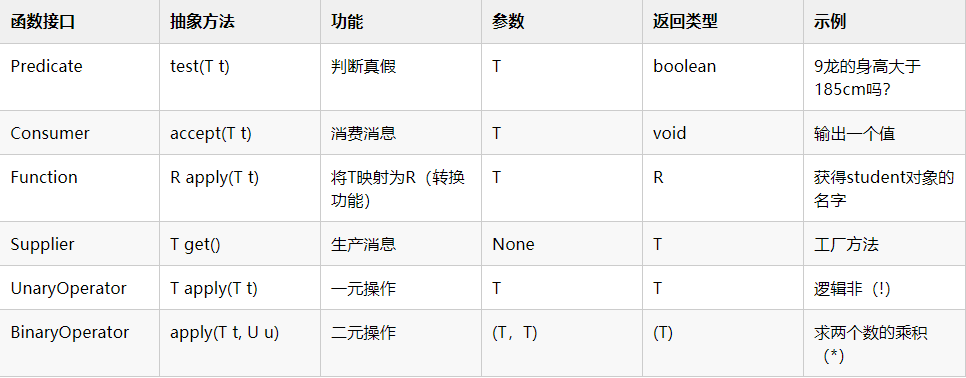
public?class?Test {
????public?static?void?main(String[] args) {
????????Predicate<Integer> predicate = x -> x >?185;
????????Student student =?new?Student("9龍",?23,?175);
????????System.out.println(
????????????"9龍的身高高于185嗎?:"?+ predicate.test(student.getStature()));

????????Consumer<String> consumer = System.out::println;
????????consumer.accept("命運(yùn)由我不由天");

????????Function<Student,?String>?function?=?Student::getName;
????????String?name =?function.apply(student);
????????System.out.println(name);

????????Supplier<Integer> supplier =?
????????????() -> Integer.valueOf(BigDecimal.TEN.toString());
????????System.out.println(supplier.get());

????????UnaryOperator<Boolean> unaryOperator = uglily -> !uglily;
????????Boolean?apply2 = unaryOperator.apply(true);
????????System.out.println(apply2);

????????BinaryOperator<Integer> operator = (x, y) -> x * y;
????????Integer integer = operator.apply(2,?3);
????????System.out.println(integer);

????????test(() ->?"我是一個演示的函數(shù)式接口");
????}

????/**
?????* 演示自定義函數(shù)式接口使用
?????*
?????* @param worker
?????*/
????public?static?void?test(Worker worker) {
????????String?work = worker.work();
????????System.out.println(work);
????}

????public?interface?Worker {
????????String?work();
????}
}
//9龍的身高高于185嗎?:false
//命運(yùn)由我不由天
//9龍
//10
//false
//6
//我是一個演示的函數(shù)式接口以上演示了lambda接口的使用及自定義一個函數(shù)式接口并使用。下面,我們看看java8將函數(shù)式接口封裝到流中如何高效的幫助我們處理集合。
示例:本篇所有示例都基于以下三個類。OutstandingClass:班級;Student:學(xué)生;SpecialityEnum:特長。
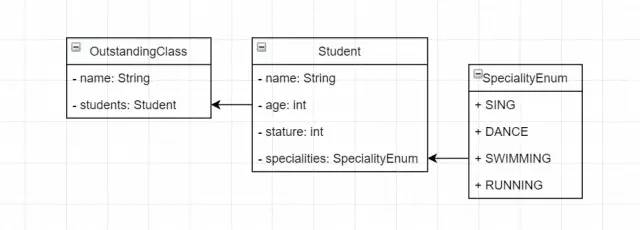
1.2 惰性求值與及早求值
惰性求值:只描述Stream,操作的結(jié)果也是Stream,這樣的操作稱為惰性求值。惰性求值可以像建造者模式一樣鏈?zhǔn)绞褂茫詈笤偈褂眉霸缜笾档玫阶罱K結(jié)果。及早求值:得到最終的結(jié)果而不是Stream,這樣的操作稱為及早求值。2、常用的流
2.1 collect(Collectors.toList())
將流轉(zhuǎn)換為list。還有toSet(),toMap()等。及早求值。public?class?TestCase?{
????public?static?void?main(String[] args)?{
????????List<Student> studentList = Stream.of(new?Student("路飛",?22,?175),
????????????????new?Student("紅發(fā)",?40,?180),
????????????????new?Student("白胡子",?50,?185)).collect(Collectors.toList());
????????System.out.println(studentList);
????}
}
//輸出結(jié)果
//[Student{name='路飛', age=22, stature=175, specialities=null},?
//Student{name='紅發(fā)', age=40, stature=180, specialities=null},?
//Student{name='白胡子', age=50, stature=185, specialities=null}]2.2 filter
顧名思義,起過濾篩選的作用。內(nèi)部就是Predicate接口。惰性求值。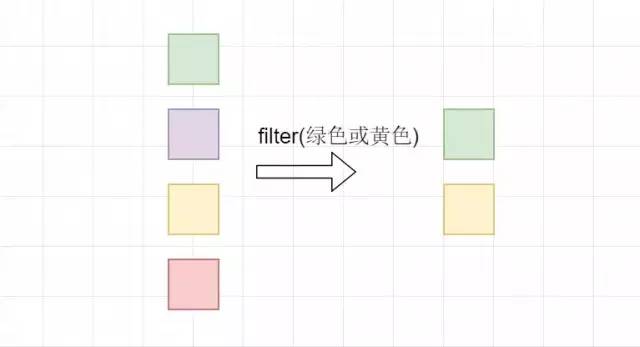
比如我們篩選出出身高小于180的同學(xué)。
搜索公眾號后端架構(gòu)師后臺回復(fù)“架構(gòu)整潔”,獲取一份驚喜禮包。
public?class?TestCase?{
????public?static?void?main(String[] args)?{
????????List<Student> students =?new?ArrayList<>(3);
????????students.add(new?Student("路飛",?22,?175));
????????students.add(new?Student("紅發(fā)",?40,?180));
????????students.add(new?Student("白胡子",?50,?185));

????????List<Student> list = students.stream()
????????????.filter(stu -> stu.getStature() <?180)
????????????.collect(Collectors.toList());
????????System.out.println(list);
????}
}
//輸出結(jié)果
//[Student{name='路飛', age=22, stature=175, specialities=null}]
2.3 map
轉(zhuǎn)換功能,內(nèi)部就是Function接口。惰性求值

public?class?TestCase?{
????public?static?void?main(String[] args)?{
????????List<Student> students =?new?ArrayList<>(3);
????????students.add(new?Student("路飛",?22,?175));
????????students.add(new?Student("紅發(fā)",?40,?180));
????????students.add(new?Student("白胡子",?50,?185));

????????List<String> names = students.stream().map(student -> student.getName())
????????????????.collect(Collectors.toList());
????????System.out.println(names);
????}
}
//輸出結(jié)果
//[路飛, 紅發(fā), 白胡子]2.4 flatMap
將多個Stream合并為一個Stream。惰性求值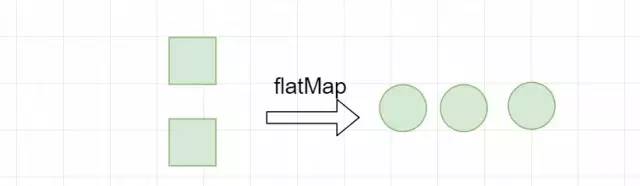
public?class?TestCase?{
????public?static?void?main(String[] args)?{
????????List<Student> students =?new?ArrayList<>(3);
????????students.add(new?Student("路飛",?22,?175));
????????students.add(new?Student("紅發(fā)",?40,?180));
????????students.add(new?Student("白胡子",?50,?185));

????????List<Student> studentList = Stream.of(students,
????????????????asList(new?Student("艾斯",?25,?183),
????????????????????????new?Student("雷利",?48,?176)))
????????????????.flatMap(students1 -> students1.stream()).collect(Collectors.toList());
????????System.out.println(studentList);
????}
}
//輸出結(jié)果
//[Student{name='路飛', age=22, stature=175, specialities=null},?
//Student{name='紅發(fā)', age=40, stature=180, specialities=null},?
//Student{name='白胡子', age=50, stature=185, specialities=null},?
//Student{name='艾斯', age=25, stature=183, specialities=null},
//Student{name='雷利', age=48, stature=176, specialities=null}]2.5 max和min
我們經(jīng)常會在集合中求最大或最小值,使用流就很方便。及早求值。public?class?TestCase?{
????public?static?void?main(String[] args)?{
????????List<Student> students =?new?ArrayList<>(3);
????????students.add(new?Student("路飛",?22,?175));
????????students.add(new?Student("紅發(fā)",?40,?180));
????????students.add(new?Student("白胡子",?50,?185));
????????Optional<Student> max = students.stream()
????????????.max(Comparator.comparing(stu -> stu.getAge()));
????????Optional<Student> min = students.stream()
????????????.min(Comparator.comparing(stu -> stu.getAge()));
????????//判斷是否有值
????????if?(max.isPresent()) {
????????????System.out.println(max.get());
????????}
????????if?(min.isPresent()) {
????????????System.out.println(min.get());
????????}
????}
}
//輸出結(jié)果
//Student{name='白胡子', age=50, stature=185, specialities=null}
//Student{name='路飛', age=22, stature=175, specialities=null}max、min接收一個Comparator(例子中使用java8自帶的靜態(tài)函數(shù),只需要傳進(jìn)需要比較值即可。)并且返回一個Optional對象,該對象是java8新增的類,專門為了防止null引發(fā)的空指針異常。
2.6 count
統(tǒng)計(jì)功能,一般都是結(jié)合filter使用,因?yàn)橄群Y選出我們需要的再統(tǒng)計(jì)即可。及早求值
public?class?TestCase?{
????public?static?void?main(String[] args)?{
????????List<Student> students =?new?ArrayList<>(3);
????????students.add(new?Student("路飛",?22,?175));
????????students.add(new?Student("紅發(fā)",?40,?180));
????????students.add(new?Student("白胡子",?50,?185));

????????long?count = students.stream().filter(s1 -> s1.getAge() <?45).count();
????????System.out.println("年齡小于45歲的人數(shù)是:"?+ count);
????}
}
//輸出結(jié)果
//年齡小于45歲的人數(shù)是:2
2.7 reduce
reduce 操作可以實(shí)現(xiàn)從一組值中生成一個值。在上述例子中用到的 count 、 min 和 max 方法,因?yàn)槌S枚患{入標(biāo)準(zhǔn)庫中。事實(shí)上,這些方法都是 reduce 操作。及早求值。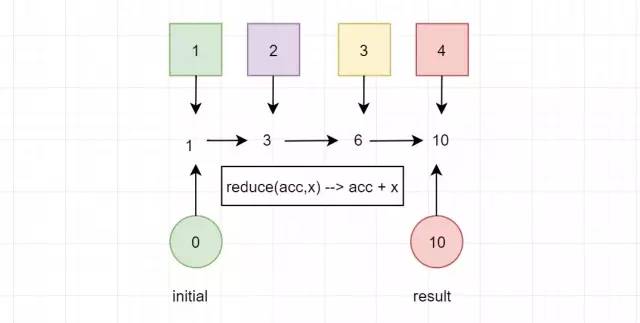
public?class?TestCase?{
????public?static?void?main(String[] args)?{
????????Integer reduce = Stream.of(1,?2,?3,?4).reduce(0, (acc, x) -> acc+ x);
????????System.out.println(reduce);
????}
}
//輸出結(jié)果
//10三、高級集合類及收集器
3.1 轉(zhuǎn)換成值
收集器,一種通用的、從流生成復(fù)雜值的結(jié)構(gòu)。只要將它傳給 collect 方法,所有的流就都可以使用它了。標(biāo)準(zhǔn)類庫已經(jīng)提供了一些有用的收集器,以下示例代碼中的收集器都是從 java.util.stream.Collectors 類中靜態(tài)導(dǎo)入的。
public?class?CollectorsTest?{
????public?static?void?main(String[] args)?{
????????List<Student> students1 =?new?ArrayList<>(3);
????????students1.add(new?Student("路飛",?23,?175));
????????students1.add(new?Student("紅發(fā)",?40,?180));
????????students1.add(new?Student("白胡子",?50,?185));

????????OutstandingClass ostClass1 =?new?OutstandingClass("一班", students1);
????????//復(fù)制students1,并移除一個學(xué)生
????????List<Student> students2 =?new?ArrayList<>(students1);
????????students2.remove(1);
????????OutstandingClass ostClass2 =?new?OutstandingClass("二班", students2);
????????//將ostClass1、ostClass2轉(zhuǎn)換為Stream
????????Stream<OutstandingClass> classStream = Stream.of(ostClass1, ostClass2);
????????OutstandingClass outstandingClass = biggestGroup(classStream);
????????System.out.println("人數(shù)最多的班級是:"?+ outstandingClass.getName());

????????System.out.println("一班平均年齡是:"?+ averageNumberOfStudent(students1));
????}

????/**
?????* 獲取人數(shù)最多的班級
?????*/
????private?static?OutstandingClass?biggestGroup(Stream<OutstandingClass> outstandingClasses)?{
????????return?outstandingClasses.collect(
????????????????maxBy(comparing(ostClass -> ostClass.getStudents().size())))
????????????????.orElseGet(OutstandingClass::new);
????}

????/**
?????* 計(jì)算平均年齡
?????*/
????private?static?double?averageNumberOfStudent(List<Student> students)?{
????????return?students.stream().collect(averagingInt(Student::getAge));
????}
}
//輸出結(jié)果
//人數(shù)最多的班級是:一班
//一班平均年齡是:37.666666666666664
maxBy或者minBy就是求最大值與最小值。
3.2 轉(zhuǎn)換成塊
常用的流操作是將其分解成兩個集合,Collectors.partitioningBy幫我們實(shí)現(xiàn)了,接收一個Predicate函數(shù)式接口。
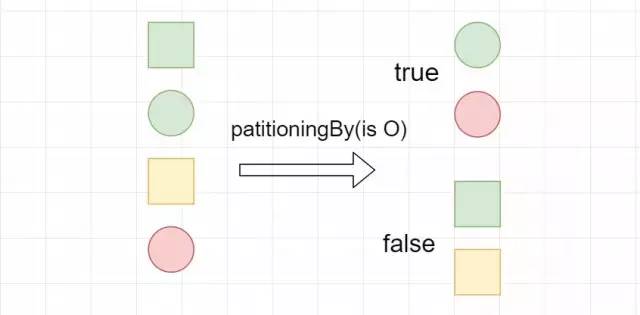
將示例學(xué)生分為會唱歌與不會唱歌的兩個集合。
public?class?PartitioningByTest?{
????public?static?void?main(String[] args)?{
????????//省略List<student> students的初始化
????????Map<Boolean, List<Student>> listMap = students.stream().collect(
????????????Collectors.partitioningBy(student -> student.getSpecialities().
??????????????????????????????????????contains(SpecialityEnum.SING)));
????}
}
3.3 數(shù)據(jù)分組
數(shù)據(jù)分組是一種更自然的分割數(shù)據(jù)操作,與將數(shù)據(jù)分成 ture 和 false 兩部分不同,可以使用任意值對數(shù)據(jù)分組。Collectors.groupingBy接收一個Function做轉(zhuǎn)換。
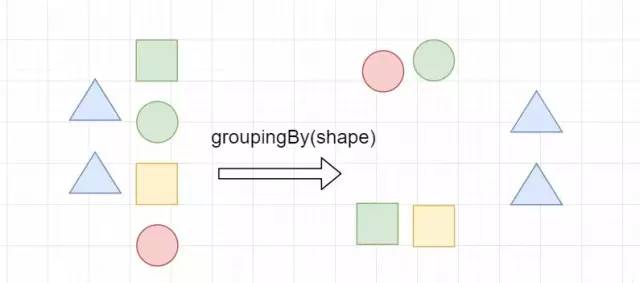
如圖,我們使用groupingBy將根據(jù)進(jìn)行分組為圓形一組,三角形一組,正方形一組。
例子:根據(jù)學(xué)生第一個特長進(jìn)行分組
public?class?GroupingByTest?{
????public?static?void?main(String[] args)?{
????????//省略List<student> students的初始化
?????????Map<SpecialityEnum, List<Student>> listMap =?
?????????????students.stream().collect(
?????????????Collectors.groupingBy(student -> student.getSpecialities().get(0)));
????}
}3.4 字符串拼接
如果將所有學(xué)生的名字拼接起來,怎么做呢?通常只能創(chuàng)建一個StringBuilder,循環(huán)拼接。使用Stream,使用Collectors.joining()簡單容易。public?class?JoiningTest?{
????public?static?void?main(String[] args)?{
????????List<Student> students =?new?ArrayList<>(3);
????????students.add(new?Student("路飛",?22,?175));
????????students.add(new?Student("紅發(fā)",?40,?180));
????????students.add(new?Student("白胡子",?50,?185));
?????????String names = students.stream()
?????????????.map(Student::getName).collect(Collectors.joining(",","[","]"));
????????System.out.println(names);
????}
}
//輸出結(jié)果
//[路飛,紅發(fā),白胡子]joining接收三個參數(shù),第一個是分界符,第二個是前綴符,第三個是結(jié)束符。也可以不傳入?yún)?shù)Collectors.joining(),這樣就是直接拼接。