
拋開Spring來說,如何自己實(shí)現(xiàn)Spring AOP?
正好遇到了一道這樣的題:拋開Spring來說,如何自己實(shí)現(xiàn)Spring AOP?
就喜歡這樣的題,能把那些天天寫增刪改查從來不思考的人給PK下去,今天就和大家一切學(xué)習(xí)代理模式與Spring AOP。
代理與裝飾器
場(chǎng)景描述
代理,即替代之意,可替代所有功能,即和原類實(shí)現(xiàn)相同的規(guī)范。
代理模式和裝飾器模式很像,之前的裝飾器講的不是很好,這里換個(gè)例子再講一遍。
寧靜的午后,來到咖啡館,想喝一杯咖啡。
基礎(chǔ)實(shí)現(xiàn)
給你一個(gè)咖啡接口:
public
?
interface
?
Coffee
?
{

????
/**
?????*?打印當(dāng)前咖啡的原材料,即咖啡里有什么
?????*/
????
void
?printMaterial
();
}
一個(gè)默認(rèn)的苦咖啡的實(shí)現(xiàn):
public
?
class
?
BitterCoffee
?
implements
?
Coffee
?
{

????
@Override
????
public
?
void
?printMaterial
()
?
{
????????
System
.
out
.
println
(
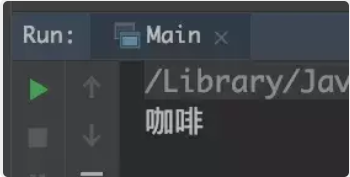
"咖啡"
);
????
}
}
默認(rèn)的點(diǎn)餐邏輯:
public
?
class
?
Main
?
{

????
public
?
static
?
void
?main
(
String
[]
?args
)
?
{
????????
Coffee
?coffee?
=
?
new
?
BitterCoffee
();
????????coffee
.
printMaterial
();
????
}
}
點(diǎn)一杯咖啡。
裝飾器模式
優(yōu)雅的服務(wù)生把咖啡端了上來,抿了一口,有些苦。
想加點(diǎn)糖,對(duì)服務(wù)生說:“您好,請(qǐng)為我的咖啡加些糖”。
/**
?*?糖裝飾器,用來給咖啡加糖
?*/
public
?
class
?
SugarDecorator
?
implements
?
Coffee
?
{

????
/**
?????*?持有的咖啡對(duì)象
?????*/
????
private
?
final
?
Coffee
?coffee
;

????
public
?
SugarDecorator
(
Coffee
?coffee
)
?
{
????????
this
.
coffee?
=
?coffee
;
????
}

????
@Override
????
public
?
void
?printMaterial
()
?
{
????????
System
.
out
.
println
(
"糖"
);
????????
this
.
coffee
.
printMaterial
();
????
}
}
然后服務(wù)生就拿走了我的咖啡,去使用SugarDecorator為咖啡加糖,最后把加好糖的咖啡給我。
public
?
class
?
Main
?
{

????
public
?
static
?
void
?main
(
String
[]
?args
)
?
{
????????
Coffee
?coffee?
=
?
new
?
BitterCoffee
();
????????coffee?
=
?
new
?
SugarDecorator
(
coffee
);
????????coffee
.
printMaterial
();
????
}
}
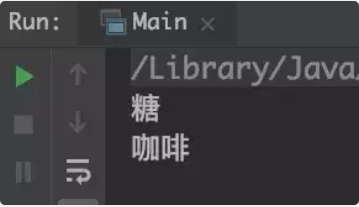
看一看咖啡的成分,對(duì)的,確實(shí)加上了糖!
注意看這兩行:
Coffee
?coffee?
=
?
new
?
BitterCoffee
();
????????
//?點(diǎn)了一杯苦咖啡
coffee?
=
?
new
?
SugarDecorator
(
coffee
);
???????
//?給咖啡加了點(diǎn)糖
裝飾器模式適合什么場(chǎng)景,我有一個(gè)對(duì)象,但是這個(gè)對(duì)象的功能不能令我滿意,我就拿裝飾器給他裝飾一下。
代理模式
周末了,又抱著iPad來到了咖啡館,準(zhǔn)備享受一個(gè)寧靜的下午。
“先生,請(qǐng)問您要喝點(diǎn)什么?”一旁禮貌的服務(wù)生上前問道。
上次點(diǎn)的咖啡太苦了,這次直接要個(gè)加糖的吧。
“我要一杯加糖咖啡。”
public
?
class
?
CoffeeWithSugar
?
implements
?
Coffee
?
{

????
private
?
final
?
Coffee
?coffee
;

????
public
?
CoffeeWithSugar
()
?
{
????????
this
.
coffee?
=
?
new
?
BitterCoffee
();
????
}

????
@Override
????
public
?
void
?printMaterial
()
?
{
????????
System
.
out
.
println
(
"糖"
);
????????
this
.
coffee
.
printMaterial
();
????
}
}
這是加糖咖啡,其實(shí)內(nèi)部仍然是咖啡,只是加了些配方,就產(chǎn)生了一種新類,一種新的可以在菜單上呈現(xiàn)的飲品。
點(diǎn)咖啡:
public
?
class
?
Main
?
{

????
public
?
static
?
void
?main
(
String
[]
?args
)
?
{
????????
Coffee
?coffee?
=
?
new
?
CoffeeWithSugar
();
????????coffee
.
printMaterial
();
????
}
}
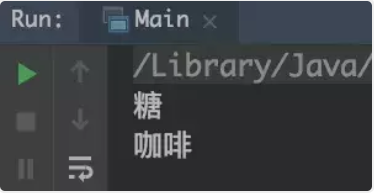
正合我意,在咖啡的陪伴下度過了一個(gè)美好的下午。
差別
故事講完了,兩者實(shí)現(xiàn)的都是對(duì)原對(duì)象的包裝,持有原對(duì)象的實(shí)例,差別在于對(duì)外的表現(xiàn)。
裝飾器模式:點(diǎn)了咖啡,發(fā)現(xiàn)太苦了,不是自己想要的,然后用裝飾器加了點(diǎn)糖。
Coffee
?coffee?
=
?
new
?
BitterCoffee
();
coffee?
=
?
new
?
SugarDecorator
(
coffee
);
代理模式:直接就點(diǎn)的加糖咖啡。
Coffee
?coffee?
=
?
new
?
CoffeeWithSugar
();
很細(xì)微的差別,希望大家不要弄混。
批評(píng)
去看代理模式相關(guān)的資料,五花八門,怎么理解的都有。
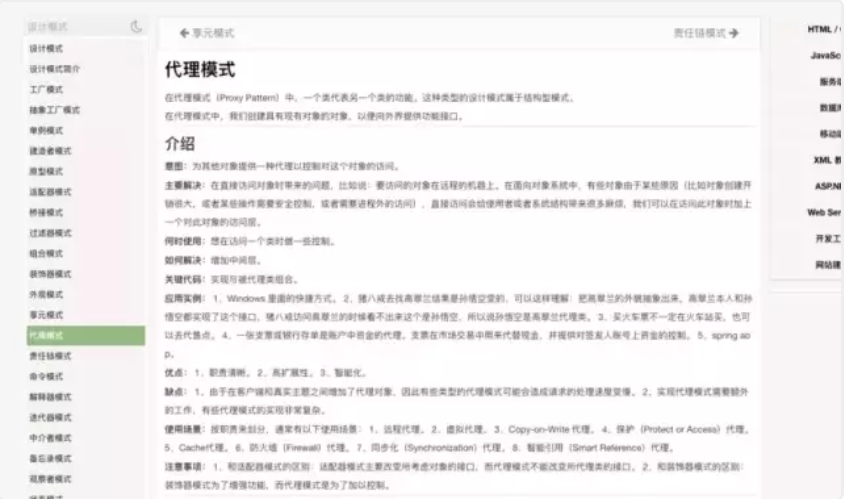
我覺得菜鳥教程的代理模式解釋的最為正宗:在代理模式中,我們創(chuàng)建具有現(xiàn)有對(duì)象的對(duì)象,以便向外界提供功能接口。
還有,網(wǎng)上許多設(shè)計(jì)模式的文章都是你抄我、我抄你,一個(gè)錯(cuò)了,全都錯(cuò)了。
我覺得我需要糾正一下。誰說代理模式一定要用接口的啊?代理模式時(shí)設(shè)計(jì)模式,設(shè)計(jì)模式不分語言,假如一門語言中沒有接口,那它就不能代理模式了嗎?只是Java中的接口可以讓我們符合依賴倒置原則進(jìn)行開發(fā),降低耦合。用抽象類可以嗎?可以。用類繼承可以嗎?也可以。
思想明白了,用什么寫還不是像玩一樣?
AOP
設(shè)計(jì)模式是思想,所以我上面說的代理模式不是僅適用于接口便與Spring AOP息息相關(guān)。
AOP:Aspect Oriented Programming,面向切面編程,是面向?qū)ο缶幊痰难a(bǔ)充。如果你不明白這句話,好好去學(xué)學(xué)面向?qū)ο缶椭罏槭裁戳恕?/p>
我們會(huì)聲明切面,即切在某方法之前、之后或前后都執(zhí)行。而Spring AOP的實(shí)現(xiàn)就是代理模式。
場(chǎng)景
正好最近寫過短信驗(yàn)證碼,就拿這個(gè)來當(dāng)例子吧。
public
?
interface
?
SMSService
?
{

????
void
?sendMessage
();
}
public
?
class
?
SMSServiceImpl
?
implements
?
SMSService
?
{

????
@Override
????
public
?
void
?sendMessage
()
?
{
????????
System
.
out
.
println
(
"【夢(mèng)云智】您正在執(zhí)行重置密碼操作,您的驗(yàn)證碼為:1234,5分鐘內(nèi)有效,請(qǐng)不要將驗(yàn)證碼轉(zhuǎn)發(fā)給他人。"
);
????
}
}
主函數(shù):
public
?
class
?
Main
?
{

????
public
?
static
?
void
?main
(
String
[]
?args
)
?
{
????????
SMSService
?smsService?
=
?
new
?
SMSServiceImpl
();
????????smsService
.
sendMessage
();
????????smsService
.
sendMessage
();
????
}
}
費(fèi)用統(tǒng)計(jì)
老板改需求了,發(fā)驗(yàn)證碼要花錢,老板想看看一共在短信上花了多少錢。
正常按Spring的思路,肯定是聲明一個(gè)切面,來切發(fā)短信的方法,然后在切面內(nèi)統(tǒng)計(jì)短信費(fèi)用。
只是現(xiàn)在沒有框架,也就是這道題:拋開Spring來說,如何自己實(shí)現(xiàn)Spring AOP?
寫框架考慮的自然多些,我上文講的代理是靜態(tài)代理,編譯期間就決定好的。而框架實(shí)現(xiàn)卻是動(dòng)態(tài)代理,需要在運(yùn)行時(shí)生成代理對(duì)象,因?yàn)樾枰M(jìn)行類掃描,看看哪些個(gè)類有切面需要生成代理對(duì)象。
JDK動(dòng)態(tài)代理
編寫一個(gè)統(tǒng)計(jì)短信費(fèi)用的類實(shí)現(xiàn)InvocationHandler接口。
寫到這,終于明白為什么每次后臺(tái)Debug的時(shí)候都會(huì)跳轉(zhuǎn)到invoke方法。
public
?
class
?
MoneyCountInvocationHandler
?
implements
?
InvocationHandler
?
{

????
/**
?????*?被代理的目標(biāo)
?????*/
????
private
?
final
?
Object
?target
;

????
/**
?????*?內(nèi)部存儲(chǔ)錢的總數(shù)
?????*/
????
private
?
Double
?moneyCount
;

????
public
?
MoneyCountInvocationHandler
(
Object
?target
)
?
{
????????
this
.
target?
=
?target
;
????????
this
.
moneyCount?
=
?
0.0
;
????
}

????
@Override
????
public
?
Object
?invoke
(
Object
?proxy
,
?
Method
?method
,
?
Object
[]
?args
)
?
throws
?
Throwable
?
{
????????
Object
?result?
=
?method
.
invoke
(
target
,
?args
);
????????moneyCount?
+=
?
0.07
;
????????
System
.
out
.
println
(
"發(fā)送短信成功,共花了:"
?
+
?moneyCount?
+
?
"元"
);
????????
return
?result
;
????
}
}
將主函數(shù)里的smsService替換為使用MoneyCountInvocationHandler處理的代理對(duì)象。
public
?
class
?
Main
?
{

????
public
?
static
?
void
?main
(
String
[]
?args
)
?
{
????????
SMSService
?smsService?
=
?
new
?
SMSServiceImpl
();
????????smsService?
=
?
(
SMSService
)
?
Proxy
.
newProxyInstance
(
Main
.
class
.
getClassLoader
(),
????????????????????????????????????????????
new
?
Class
[]{
SMSService
.
class
},
????????????????????????????????????????????
new
?
MoneyCountInvocationHandler
(
smsService
));
????????smsService
.
sendMessage
();
????????smsService
.
sendMessage
();
????
}
}

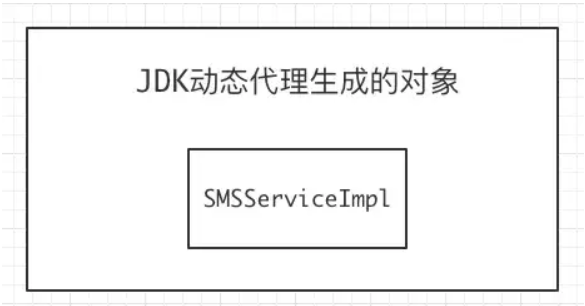
根據(jù)InvocationHandler中的invoke方法動(dòng)態(tài)生成一個(gè)類,該類實(shí)現(xiàn)SMSService接口,代理對(duì)象,就是用這個(gè)類實(shí)例化的。
AOP實(shí)現(xiàn)
上面的都實(shí)現(xiàn)了?寫一個(gè)AOP是不是也不是難事?
主函數(shù)的代碼,應(yīng)該放在IOC容器初始化中,掃描包,去看看哪些個(gè)類需要生成代理對(duì)象,然后構(gòu)造代理對(duì)象到容器中。
然后在invoke方法里,把統(tǒng)計(jì)費(fèi)用的邏輯改成切面的邏輯不就好了嗎?
不足分析
結(jié)束了嗎?當(dāng)然沒有,上面的方法實(shí)現(xiàn)僅對(duì)接口有效。
因?yàn)镴DK的動(dòng)態(tài)代理,是生成一個(gè)實(shí)現(xiàn)相應(yīng)接口的代理類。但是Spring又不是只能通過接口注入。
@Autowired
private
?
Type
?xxxxx
;
Spring的@Autowired是通過聲明的類型去容器里找符合的對(duì)象然后注進(jìn)來的,接口是類型,類不也是類型嗎?
@Autowired
private
?
SMSService
?smsService
;
這樣能注進(jìn)來。
@Autowired
private
?
SMSServiceImpl
?smsService
;
這樣呢?也能注進(jìn)來。
所以,JDK動(dòng)態(tài)代理針對(duì)直接注入類類型的,就代理不了。
cglib動(dòng)態(tài)代理
自古以來,從來都是時(shí)勢(shì)造英雄,而不是英雄創(chuàng)造了時(shí)代。
出現(xiàn)了問題,自然會(huì)有英雄出來解決。拯救世界的就是cglib。
JDK動(dòng)態(tài)代理解決不了的,統(tǒng)統(tǒng)交給cglib。
就這個(gè)來說:
@Autowired
private
?
SMSServiceImpl
?smsService
;
不是使用接口注入的,JDK動(dòng)態(tài)代理解決不了。cglib怎么解決的呢?它會(huì)根據(jù)當(dāng)前的類,動(dòng)態(tài)生成一個(gè)子類,在子類中織入切面邏輯。
然后使用子類對(duì)象代理父類對(duì)象。這就是為什么我上面說:代理模式,不要拘泥于接口。
所以織入成功的,都是子類能把父類覆蓋的方法。
所以cglib也不是萬能的,方法是final的,子類重寫不了,它當(dāng)然也無計(jì)可施了。
總結(jié)
讀書讀的是什么?是真正理解作者的思想,明白作者想歌頌什么、批判什么。
框架學(xué)的是什么?不只是為了提高開發(fā)效率,而是在使用的時(shí)候,就像與設(shè)計(jì)者交流一樣,能真正明白框架設(shè)計(jì)者的思想,才算用明白一款框架。
如果我們都能做到這般,又何愁設(shè)計(jì)不出一款真正屬于自己的框架呢?