
外包一面:ThreadLocal的使用場景及使用方式
點擊上方藍色字體,選擇“標(biāo)星公眾號”
優(yōu)質(zhì)文章,第一時間送達
兩大使用場景-ThreadLocal的用途
典型場景1:每個線程需要一個獨享的對象
package threadlocal;

import java.text.SimpleDateFormat;
import java.util.Date;
import java.util.concurrent.ExecutorService;
import java.util.concurrent.Executors;

/**
 * 描述:     利用ThreadLocal,給每個線程分配自己的dateFormat對象,保證了線程安全,高效利用內(nèi)存
 */
public class ThreadLocalNormalUsage05 {

    public static ExecutorService threadPool = Executors.newFixedThreadPool(10);

    public static void main(String[] args) throws InterruptedException {
        for (int i = 0; i < 1000; i++) {
            int finalI = i;
            threadPool.submit(new Runnable() {
                @Override
                public void run() {
                    String date = new ThreadLocalNormalUsage05().date(finalI);
                    System.out.println(date);
                }
            });
        }
        threadPool.shutdown();
    }

    public String date(int seconds) {
        //參數(shù)的單位是毫秒,從1970.1.1 00:00:00 GMT計時
        Date date = new Date(1000 * seconds);
//        SimpleDateFormat dateFormat = new SimpleDateFormat("yyyy-MM-dd HH:mm:ss");
        SimpleDateFormat dateFormat = ThreadSafeFormatter.dateFormatThreadLocal2.get();
        return dateFormat.format(date);
    }
}

class ThreadSafeFormatter {

    public static ThreadLocal<SimpleDateFormat> dateFormatThreadLocal = new ThreadLocal<SimpleDateFormat>() {
        @Override
        protected SimpleDateFormat initialValue() {
            return new SimpleDateFormat("yyyy-MM-dd HH:mm:ss");
        }
    };

    public static ThreadLocal<SimpleDateFormat> dateFormatThreadLocal2 = ThreadLocal
            .withInitial(() -> new SimpleDateFormat("yyyy-MM-dd HH:mm:ss"));
}
典型場景2:當(dāng)前用戶信息需要被線程內(nèi)所有方法共享
package threadlocal;

/**
 * 描述:     演示ThreadLocal用法2:避免傳遞參數(shù)的麻煩
 */
public class ThreadLocalNormalUsage06 {

    public static void main(String[] args) {
        new Service1().process("");

    }
}

class Service1 {

    public void process(String name) {
        User user = new User("超哥");
        UserContextHolder.holder.set(user);
        new Service2().process();
    }
}

class Service2 {

    public void process() {
        User user = UserContextHolder.holder.get();
        ThreadSafeFormatter.dateFormatThreadLocal.get();
        System.out.println("Service2拿到用戶名:" + user.name);
        new Service3().process();
    }
}

class Service3 {

    public void process() {
        User user = UserContextHolder.holder.get();
        System.out.println("Service3拿到用戶名:" + user.name);
        UserContextHolder.holder.remove();
    }
}

class UserContextHolder {

    public static ThreadLocal<User> holder = new ThreadLocal<>();


}

class User {

    String name;

    public User(String name) {
        this.name = name;
    }
}
ThreadLocal方法使用總結(jié)
ThreadLocal原理
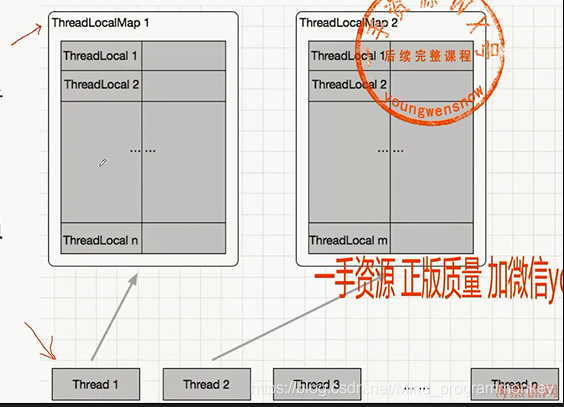
ThreadLocal使用問題內(nèi)存泄露
實際應(yīng)用場景-在spring中的實例分析
作者 | HelloWorld搬運工
來源 | csdn.net/wufaliang003/article/details/118887557

評論
圖片
表情