
【99期】中高級開發(fā)面試必問的Redis,看這篇就夠了!

閱讀本文大概需要 12?分鐘。
來自:https://github.com/CyC2018/CS-Notes
一、概述
二、數(shù)據(jù)類型
STRING
LIST
SET
HASH
ZSET
三、數(shù)據(jù)結(jié)構
字典
跳躍表
四、使用場景
計數(shù)器
緩存
查找表
消息隊列
會話緩存
分布式鎖實現(xiàn)
其它
五、Redis 與 Memcached
數(shù)據(jù)類型
數(shù)據(jù)持久化
分布式
內(nèi)存管理機制
六、鍵的過期時間
七、數(shù)據(jù)淘汰策略
八、持久化
RDB 持久化
AOF 持久化
九、事務
十、事件
文件事件
時間事件
事件的調(diào)度與執(zhí)行
十一、復制
連接過程
主從鏈
十二、Sentinel
十三、分片
十四、一個簡單的論壇系統(tǒng)分析
文章信息
點贊功能
對文章進行排序
參考資料
一、概述
二、數(shù)據(jù)類型
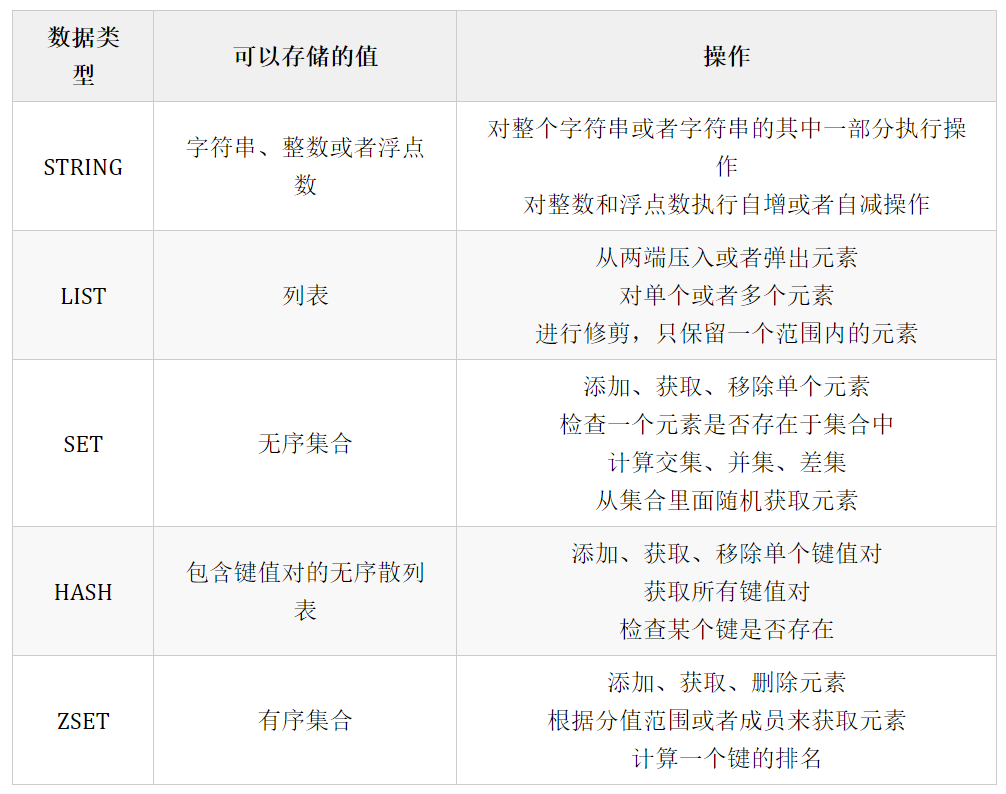
What Redis data structures look like
STRING
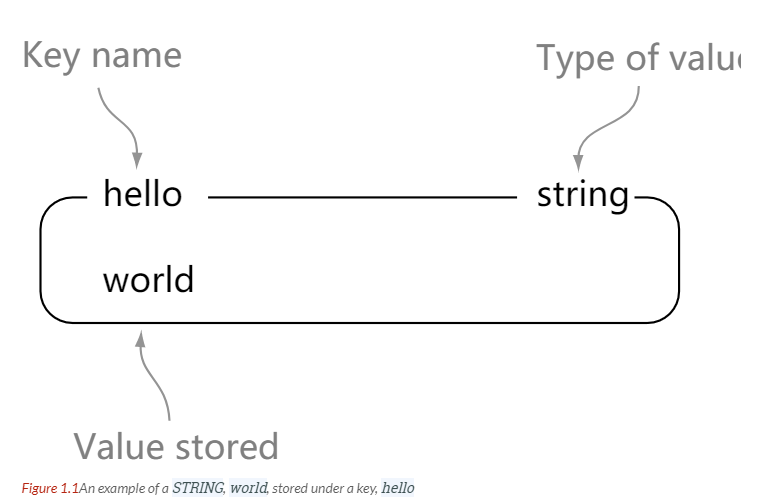
> set hello world
OK
> get hello
"world"
> del hello
(integer) 1
> get hello
(nil)
LIST
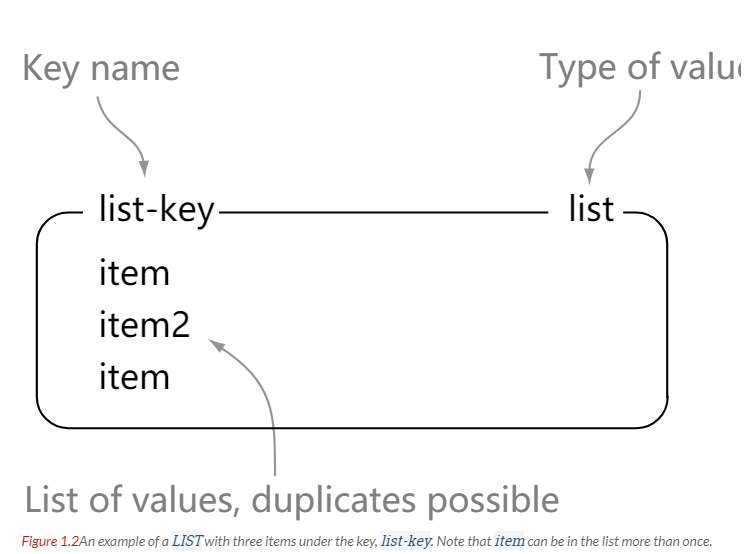
> rpush list-key item
(integer) 1
> rpush list-key item2
(integer) 2
> rpush list-key item
(integer) 3

> lrange list-key 0 -1
1) "item"
2) "item2"
3) "item"

> lindex list-key 1
"item2"

> lpop list-key
"item"

> lrange list-key 0 -1
1) "item2"
2) "item"
SET
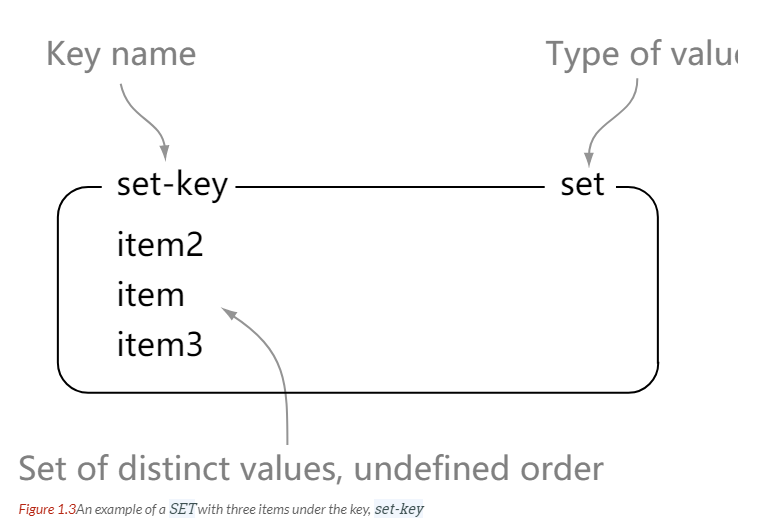
> sadd set-key item
(integer) 1
> sadd set-key item2
(integer) 1
> sadd set-key item3
(integer) 1
> sadd set-key item
(integer) 0

> smembers set-key
1) "item"
2) "item2"
3) "item3"

> sismember set-key item4
(integer) 0
> sismember set-key item
(integer) 1

> srem set-key item2
(integer) 1
> srem set-key item2
(integer) 0

> smembers set-key
1) "item"
2) "item3"
HASH
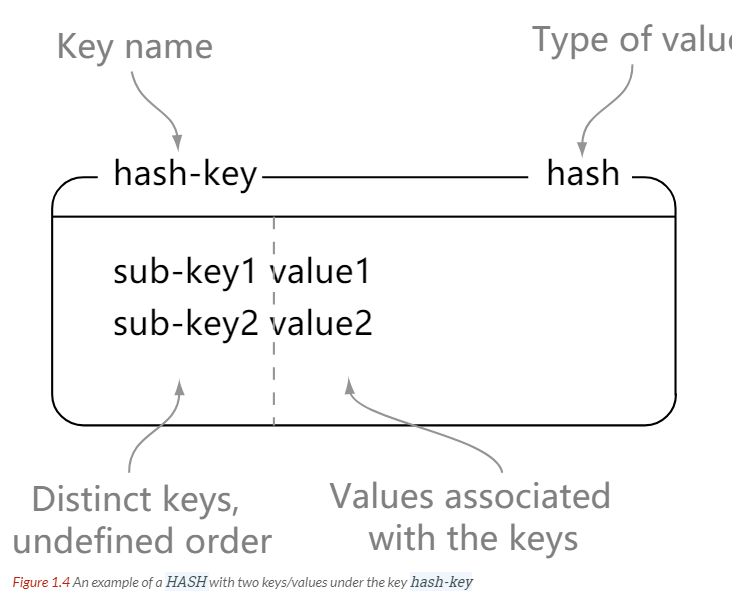
> hset hash-key sub-key1 value1
(integer) 1
> hset hash-key sub-key2 value2
(integer) 1
> hset hash-key sub-key1 value1
(integer) 0

> hgetall hash-key
1) "sub-key1"
2) "value1"
3) "sub-key2"
4) "value2"

> hdel hash-key sub-key2
(integer) 1
> hdel hash-key sub-key2
(integer) 0

> hget hash-key sub-key1
"value1"

> hgetall hash-key
1) "sub-key1"
2) "value1"
ZSET
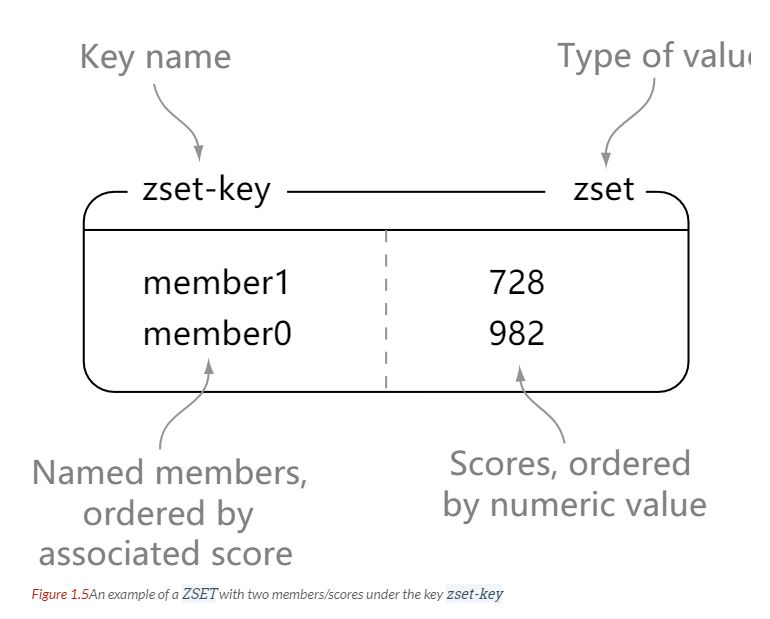
> zadd zset-key 728 member1
(integer) 1
> zadd zset-key 982 member0
(integer) 1
> zadd zset-key 982 member0
(integer) 0

> zrange zset-key 0 -1 withscores
1) "member1"
2) "728"
3) "member0"
4) "982"

> zrangebyscore zset-key 0 800 withscores
1) "member1"
2) "728"

> zrem zset-key member1
(integer) 1
> zrem zset-key member1
(integer) 0

> zrange zset-key 0 -1 withscores
1) "member0"
2) "982"
三、數(shù)據(jù)結(jié)構
字典
/* This is our hash table structure. Every dictionary has two of this as we
 * implement incremental rehashing, for the old to the new table. */
typedef struct dictht {
    dictEntry **table;
    unsigned long size;
    unsigned long sizemask;
    unsigned long used;
} dictht;
typedef struct dictEntry {
    void *key;
    union {
        void *val;
        uint64_t u64;
        int64_t s64;
        double d;
    } v;
    struct dictEntry *next;
} dictEntry;
typedef struct dict {
    dictType *type;
    void *privdata;
    dictht ht[2];
    long rehashidx; /* rehashing not in progress if rehashidx == -1 */
    unsigned long iterators; /* number of iterators currently running */
} dict;
/* Performs N steps of incremental rehashing. Returns 1 if there are still
 * keys to move from the old to the new hash table, otherwise 0 is returned.
 *
 * Note that a rehashing step consists in moving a bucket (that may have more
 * than one key as we use chaining) from the old to the new hash table, however
 * since part of the hash table may be composed of empty spaces, it is not
 * guaranteed that this function will rehash even a single bucket, since it
 * will visit at max N*10 empty buckets in total, otherwise the amount of
 * work it does would be unbound and the function may block for a long time. */
int dictRehash(dict *d, int n) {
    int empty_visits = n * 10; /* Max number of empty buckets to visit. */
    if (!dictIsRehashing(d)) return 0;

    while (n-- && d->ht[0].used != 0) {
        dictEntry *de, *nextde;

        /* Note that rehashidx can't overflow as we are sure there are more
         * elements because ht[0].used != 0 */
        assert(d->ht[0].size > (unsigned long) d->rehashidx);
        while (d->ht[0].table[d->rehashidx] == NULL) {
            d->rehashidx++;
            if (--empty_visits == 0) return 1;
        }
        de = d->ht[0].table[d->rehashidx];
        /* Move all the keys in this bucket from the old to the new hash HT */
        while (de) {
            uint64_t h;

            nextde = de->next;
            /* Get the index in the new hash table */
            h = dictHashKey(d, de->key) & d->ht[1].sizemask;
            de->next = d->ht[1].table[h];
            d->ht[1].table[h] = de;
            d->ht[0].used--;
            d->ht[1].used++;
            de = nextde;
        }
        d->ht[0].table[d->rehashidx] = NULL;
        d->rehashidx++;
    }

    /* Check if we already rehashed the whole table... */
    if (d->ht[0].used == 0) {
        zfree(d->ht[0].table);
        d->ht[0] = d->ht[1];
        _dictReset(&d->ht[1]);
        d->rehashidx = -1;
        return 0;
    }

    /* More to rehash... */
    return 1;
}
跳躍表
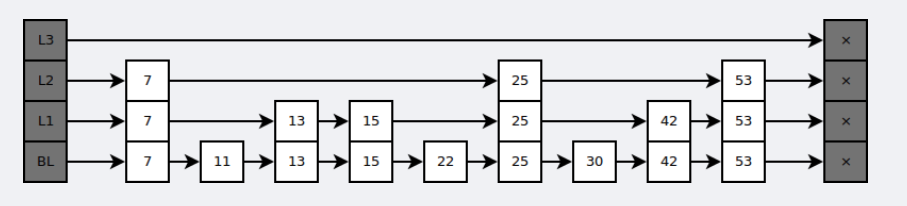
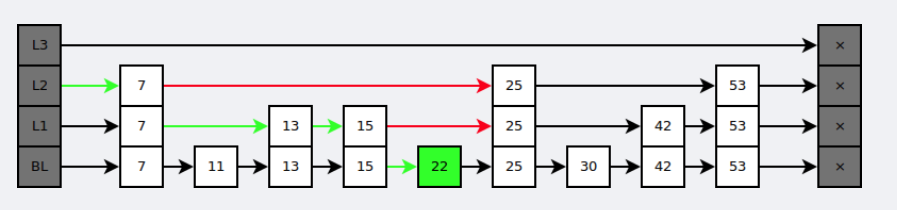
插入速度非常快速,因為不需要進行旋轉(zhuǎn)等操作來維護平衡性;
更容易實現(xiàn);
支持無鎖操作。
四、使用場景
計數(shù)器
緩存
查找表
消息隊列
會話緩存
分布式鎖實現(xiàn)
其它
五、Redis 與 Memcached
數(shù)據(jù)類型
數(shù)據(jù)持久化
分布式
內(nèi)存管理機制
在 Redis 中,并不是所有數(shù)據(jù)都一直存儲在內(nèi)存中,可以將一些很久沒用的 value 交換到磁盤,而 Memcached 的數(shù)據(jù)則會一直在內(nèi)存中。
Memcached 將內(nèi)存分割成特定長度的塊來存儲數(shù)據(jù),以完全解決內(nèi)存碎片的問題。但是這種方式會使得內(nèi)存的利用率不高,例如塊的大小為 128 bytes,只存儲 100 bytes 的數(shù)據(jù),那么剩下的 28 bytes 就浪費掉了。
六、鍵的過期時間
七、數(shù)據(jù)淘汰策略
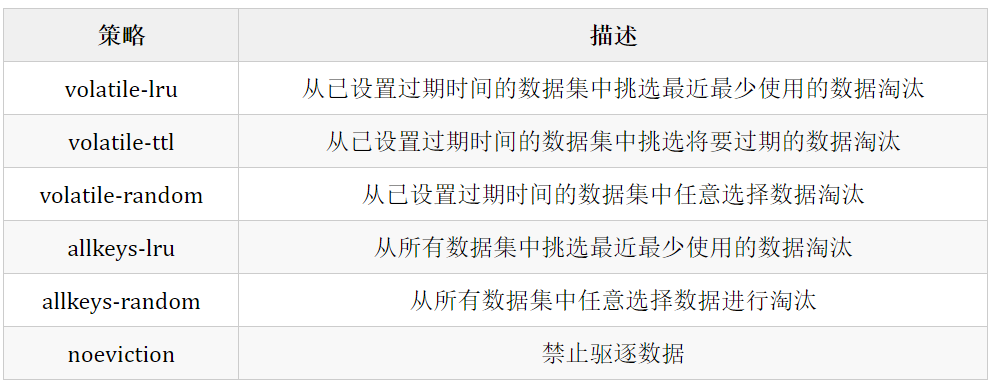
八、持久化
RDB 持久化
AOF 持久化
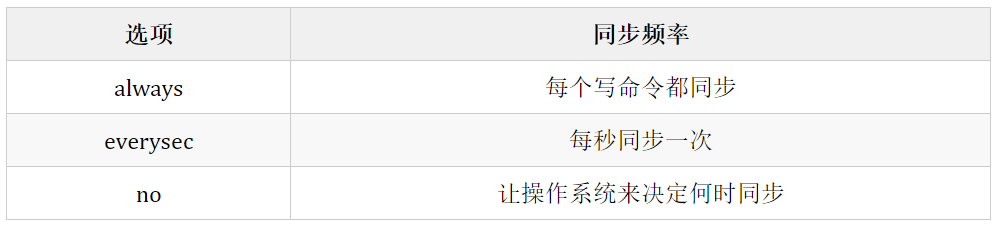
always 選項會嚴重減低服務器的性能;
everysec 選項比較合適,可以保證系統(tǒng)崩潰時只會丟失一秒左右的數(shù)據(jù),并且 Redis 每秒執(zhí)行一次同步對服務器性能幾乎沒有任何影響;
no 選項并不能給服務器性能帶來多大的提升,而且也會增加系統(tǒng)崩潰時數(shù)據(jù)丟失的數(shù)量。
九、事務
十、事件
文件事件
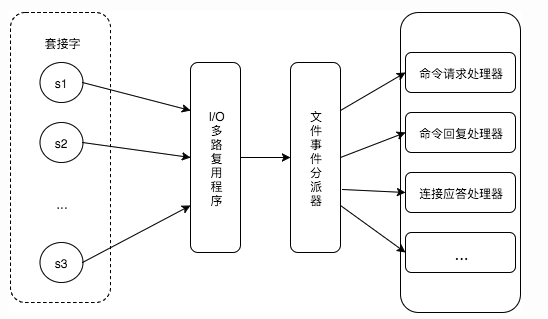
時間事件
定時事件:是讓一段程序在指定的時間之內(nèi)執(zhí)行一次;
周期性事件:是讓一段程序每隔指定時間就執(zhí)行一次。
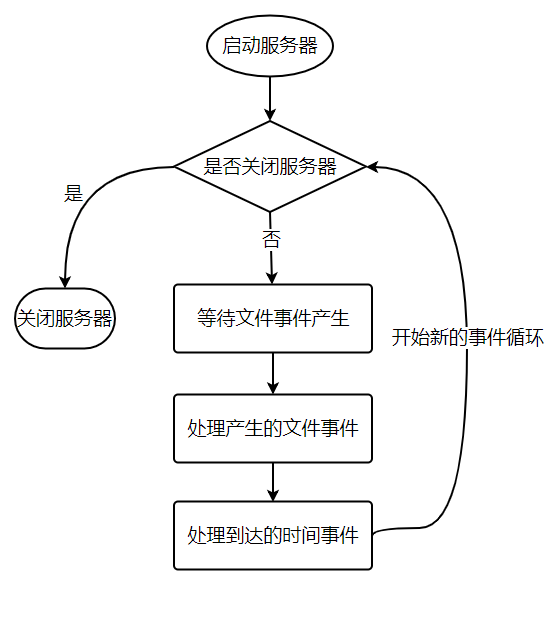
事件的調(diào)度與執(zhí)行
def aeProcessEvents():
    # 獲取到達時間離當前時間最接近的時間事件
    time_event = aeSearchNearestTimer()
    # 計算最接近的時間事件距離到達還有多少毫秒
    remaind_ms = time_event.when - unix_ts_now()
    # 如果事件已到達,那么 remaind_ms 的值可能為負數(shù),將它設為 0
    if remaind_ms < 0:
        remaind_ms = 0
    # 根據(jù) remaind_ms 的值,創(chuàng)建 timeval
    timeval = create_timeval_with_ms(remaind_ms)
    # 阻塞并等待文件事件產(chǎn)生,最大阻塞時間由傳入的 timeval 決定
    aeApiPoll(timeval)
    # 處理所有已產(chǎn)生的文件事件
    procesFileEvents()
    # 處理所有已到達的時間事件
    processTimeEvents()
def main():
    # 初始化服務器
    init_server()
    # 一直處理事件,直到服務器關閉為止
    while server_is_not_shutdown():
        aeProcessEvents()
    # 服務器關閉,執(zhí)行清理操作
    clean_server()
十一、復制
連接過程
主服務器創(chuàng)建快照文件,發(fā)送給從服務器,并在發(fā)送期間使用緩沖區(qū)記錄執(zhí)行的寫命令。快照文件發(fā)送完畢之后,開始向從服務器發(fā)送存儲在緩沖區(qū)中的寫命令;
從服務器丟棄所有舊數(shù)據(jù),載入主服務器發(fā)來的快照文件,之后從服務器開始接受主服務器發(fā)來的寫命令;
主服務器每執(zhí)行一次寫命令,就向從服務器發(fā)送相同的寫命令。
主從鏈
十二、Sentinel
十三、分片
最簡單的方式是范圍分片,例如用戶 id 從 0~1000 的存儲到實例 R0 中,用戶 id 從 1001~2000 的存儲到實例 R1 中,等等。但是這樣需要維護一張映射范圍表,維護操作代價很高。
還有一種方式是哈希分片,使用 CRC32 哈希函數(shù)將鍵轉(zhuǎn)換為一個數(shù)字,再對實例數(shù)量求模就能知道應該存儲的實例。
客戶端分片:客戶端使用一致性哈希等算法決定鍵應當分布到哪個節(jié)點。
代理分片:將客戶端請求發(fā)送到代理上,由代理轉(zhuǎn)發(fā)請求到正確的節(jié)點上。
服務器分片:Redis Cluster。
十四、一個簡單的論壇系統(tǒng)分析
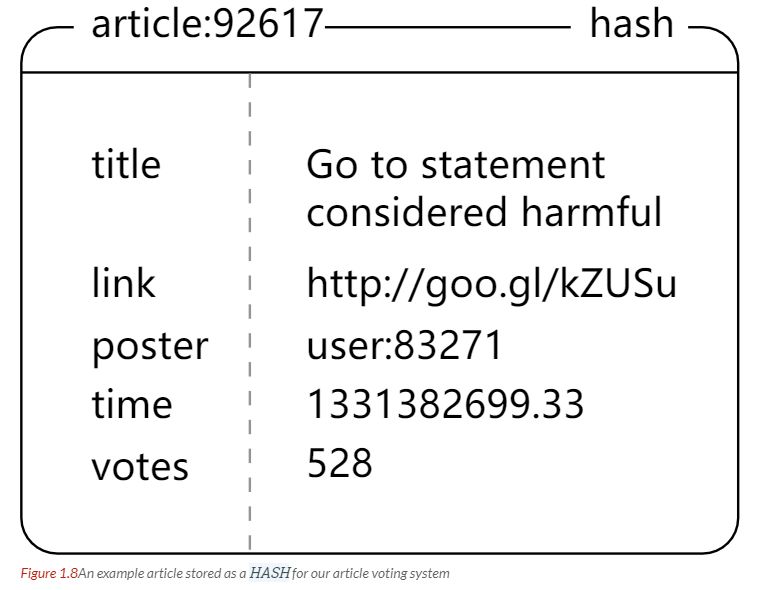
可以發(fā)布文章;
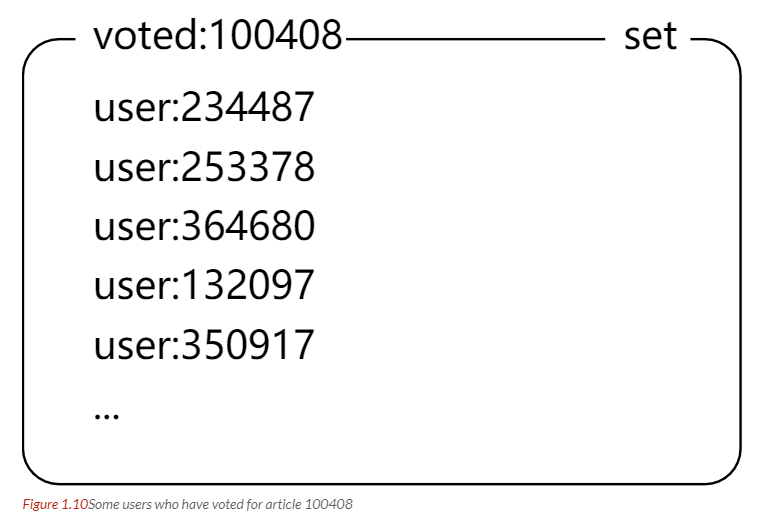
可以對文章進行點贊;
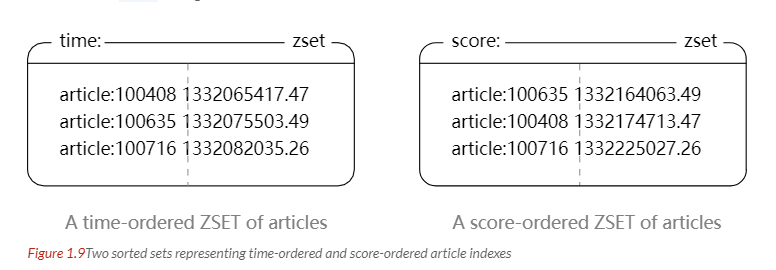
在首頁可以按文章的發(fā)布時間或者文章的點贊數(shù)進行排序顯示。
文章信息
點贊功能
對文章進行排序
參考資料
Carlson J L. Redis in Action[J]. Media.johnwiley.com.au, 2013.
黃健宏. Redis 設計與實現(xiàn) [M]. 機械工業(yè)出版社, 2014.
REDIS IN ACTION
Skip Lists: Done Right
論述 Redis 和 Memcached 的差異
Redis 3.0 中文版- 分片
Redis 應用場景
Using Redis as an LRU cache
推薦閱讀:
【97期】一網(wǎng)打盡面試中常被問及的8種數(shù)據(jù)結(jié)構
微信掃描二維碼,關注我的公眾號
朕已閱?