
淺析Python裝飾器中的@property
回復(fù)“書籍”即可獲贈(zèng)Python從入門到進(jìn)階共10本電子書
一、使用@property優(yōu)點(diǎn)
將類方法轉(zhuǎn)換為類屬性,可以用來(lái)直接獲取屬性值或者對(duì)屬性進(jìn)行賦值。
案例分析
例:
class Exam(object):def __init__(self, score):self._score = scoredef get_score(self):return self._scoredef set_score(self, val):if val < 0:self._score = 0elif val > 100:self._score = 100else:self._score = vale = Exam(60)print(e.get_score())e.set_score(70)print(e.get_score())

代碼解析:
定義了一個(gè) Exam 類,為了避免直接對(duì) _score 屬性操作,提供了 get_score 和 set_score 方法,這樣起到了封裝的作用,把一些不想對(duì)外公開的屬性隱蔽起來(lái),而只是提供方法給用戶操作,在方法里面,可以檢查參數(shù)的合理性等。
Python 提供了 property 裝飾器,被裝飾的方法,可以將其『當(dāng)作』屬性來(lái)用。
例 :
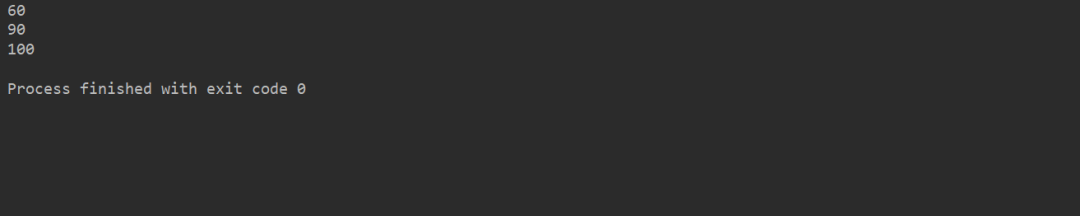
class Exam(object):def __init__(self, score):self._score = score@propertydef score(self):return self._score@score.setterdef score(self, val):if val < 0:self._score = 0elif val > 100:self._score = 100else:self._score = vale = Exam(60)print(e.score)e.score = 90print(e.score)e.score = 200print(e.score)
注:
給方法 score 加上了 @property,于是可以把 score 當(dāng)成一個(gè)屬性來(lái)用,此時(shí),又會(huì)創(chuàng)建新的score.setter,它可以把被裝飾的方法變成屬性來(lái)賦值。
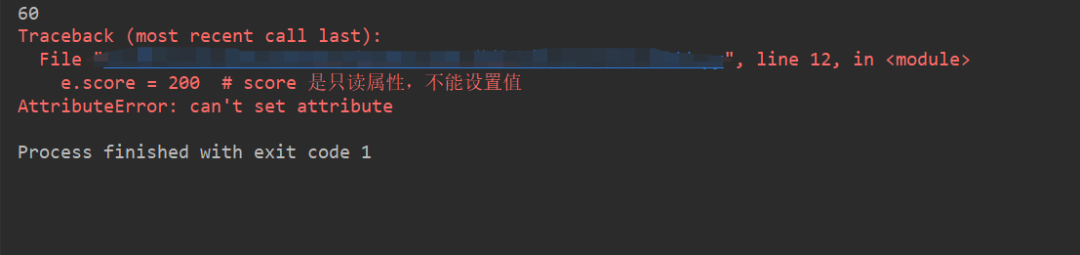
另外,也不一定要使用 score.setter 這個(gè)裝飾器,這時(shí) score 就變成一個(gè)只讀屬性:
class Exam(object):def __init__(self, score):self._score = score@propertydef score(self):return self._scoree = Exam(60)print(e.score)e.score = 200 # score 是只讀屬性,不能設(shè)置值print(e.score)
二、@property的力量
python處理上述問題的方法是使用property。可以這樣來(lái)實(shí)現(xiàn)它。
例 :
class Celsius:def __init__(self, temperature = 0):self.temperature = temperaturedef to_fahrenheit(self):return (self.temperature * 1.8) + 32def get_temperature(self):print("獲得的值")return self._temperaturedef set_temperature(self, value):if value < -273:raise ValueError("零下273度是不可能的")print("設(shè)定值")self._temperature = valuetemperature = property(get_temperature,set_temperature)
并且,一旦運(yùn)行,在shell中發(fā)出以下代碼。
c = Celsius()print(c.temperature)
創(chuàng)建對(duì)象時(shí),將調(diào)用init ()方法。此方法的線為self.temperature = temperature。
此分配自動(dòng)稱為set_temperature()。

2. 屬性的作用。
任何訪問如c.temperature都會(huì)自動(dòng)調(diào)用get_temperature()。
例:
c.temperature = 37print(c.temperature)print(c.to_fahrenheit())

注:
溫度值存儲(chǔ)在私有變量_temperature中。temperature屬性是一個(gè)屬性對(duì)象,它提供了與此私有變量的接口。
三、深入了解property
在Python中,property()是一個(gè)內(nèi)置函數(shù),用于創(chuàng)建并返回屬性對(duì)象。
語(yǔ)法
property(fget=None, fset=None, fdel=None, doc=None)參數(shù)解析
fget為獲取屬性值的函數(shù),fset為設(shè)置屬性值的函數(shù),fdel為刪除屬性的函數(shù),doc為字符串(如注釋)。從實(shí)現(xiàn)中可以看出,這些函數(shù)參數(shù)是可選的。
可以簡(jiǎn)單地按照以下方式創(chuàng)建屬性對(duì)象。
property(fget=None, fset=None, fdel=None, doc=None)print(property())
1. 屬性對(duì)象有三個(gè)方法,getter()、setter()和deleter()。
語(yǔ)法:
temperature = property(get_temperature,set_temperature)用于稍后指定fget、fset和fdel。
# 創(chuàng)建空屬性temperature = property()# 設(shè)置 fgettemperature = temperature.getter(get_temperature)# 設(shè)置 fsettemperature = temperature.setter(set_temperature)
注:
這兩段代碼是等效的。
不定義名稱get_temperature,set_temperature。
因?yàn)樗鼈兪遣槐匾模⑶視?huì)影響類命名空間。為此,在定義getter和setter函數(shù)時(shí)重用了名稱temperature。
2. 案例
例:
class Celsius:def __init__(self, temperature = 0):self._temperature = temperaturedef to_fahrenheit(self):return (self.temperature * 1.8) + 32@propertydef temperature(self):print("獲得值")return self._temperature@temperature.setterdef temperature(self, value):if value < -273:raise ValueError("零下273度是不可能的")print("零下273度是不可能的")self._temperature = valuec=Celsius()c.temperature = 37print(c.temperature)

注:
實(shí)現(xiàn)是制作屬性的簡(jiǎn)單方法和推薦方法。在Python中尋找屬性時(shí),很可能會(huì)遇到這些類型的構(gòu)造。
四、總結(jié)
本文基于Python基礎(chǔ),介紹了@property 如何把方法變成了屬性。通過案例的分析,代碼的展示。介紹了@property的力量,以及提供了相應(yīng)錯(cuò)誤的解決方案處理方法。屬性的作用。
歡迎大家積極嘗試,有時(shí)候看到別人實(shí)現(xiàn)起來(lái)很簡(jiǎn)單,但是到自己動(dòng)手實(shí)現(xiàn)的時(shí)候,總會(huì)有各種各樣的問題,切勿眼高手低,勤動(dòng)手,才可以理解的更加深刻。
代碼很簡(jiǎn)單,希望對(duì)你學(xué)習(xí)有幫助。
------------------- End -------------------
往期精彩文章推薦: