
SQL查詢:慎用 IN 和 NOT IN
點(diǎn)擊關(guān)注上方“SQL數(shù)據(jù)庫開發(fā)”,
設(shè)為“置頂或星標(biāo)”,第一時間送達(dá)干貨 SQL專欄 SQL基礎(chǔ)知識第二版
SQL高級知識第二版
作者:薛定諤的DBA
blog.csdn.net/kk185800961/
今天突然想到之前在書上看到的一個例子,竟然想不起來了.
于是翻書找出來,測試一下.
-- drop table father,son
create table father(fid int,name varchar(10),oid int)
create table son(sid int,name varchar(10),fid int)


insert into father(fid,name,oid)
values(1,'father',5),(2,'father',9),(3,'father',null),(4,'father',0)

insert into son(sid,name,fid)
values(1,'son',2),(2,'son',2),(3,'son',3),(4,'son',null),(5,'son',null)

select * from father
select * from son
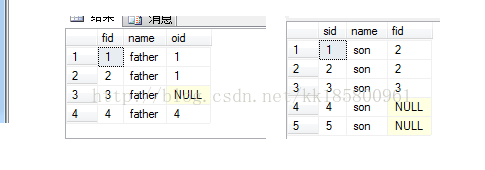
in和exists差異開始測試吧,現(xiàn)在測試使用in、not in 可能帶來的“錯誤”。之所以錯誤,是因為我們總是以自然語言去理解SQL,卻忽略了數(shù)學(xué)中的邏輯語法。不廢話了,測試看看吧!
【測試一:in子查詢】
--返回在son中存在的所有father的數(shù)據(jù)

--正確的寫法:
select * from father where fid in(select fid from son)

--錯誤的寫法:
select * from father where fid in(select oid from son)
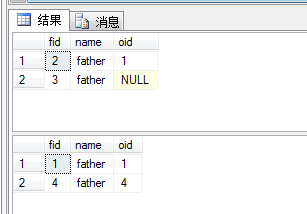
說明:
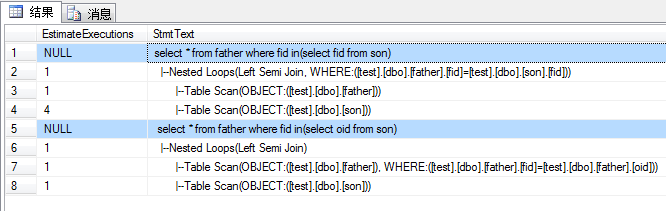
兩個查詢都執(zhí)行沒有出錯,但是第二個tsql的子查詢寫錯了。子查詢(select oid from son)實際單獨(dú)執(zhí)行會出錯,因為表son不存在字段oid,但是在這里系統(tǒng)不會提示錯誤。而且father表有4行數(shù)據(jù),所有子查詢掃描了4次son表,但是第二個查詢中,實際也只掃描了1次son表,也就是son表沒有用到。
即使這樣寫也 不會出錯:select*fromfatherwherefidin(selectoid)
這個查詢的意思是,表father中每行的fid與oid比較,相同則返回值。
實際查詢是這樣的:select * from father where fid = oid
測試一中,fid in(select fid from son)子查詢中包含null值,所以 fid in(null)返回的是一個未知值。但是在刷選器中,false和unknown的處理方式類似。因此第一個子查詢返回了正確的結(jié)果集。
【測試二:not in子查詢】
--返回在son中不存在的所有father的數(shù)據(jù)

--錯誤的寫法:
select * from father where fid not in(select fid from son)

--錯誤的寫法:
select * from father where fid not in(select oid from son)

--正確的寫法:
select * from father where fid not in(select fid from son where fid is not null)
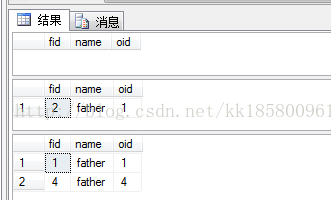
說明:
查看select fid from son,子查詢中有空值null,子查詢中的值為(2,3,null),謂詞fid in(2,3,null)永遠(yuǎn)不會返回false,只反會true或unknown,所以謂詞fidnot in(2,3,null)只返回not true 或not unknown,結(jié)果都不會是true。所以當(dāng)子查詢存在null時,not in和not exists 在邏輯上是不等價的。
總結(jié)
In 或 not in在SQL語句中經(jīng)常用到,尤其當(dāng)子查詢中有空值的時候,要謹(jǐn)慎考慮。因為即使寫了“正確”的腳本,但是返回結(jié)果卻不正確,也不出錯。
在不是很理解的情況下,最好使用 exists和 not exists來替換。而且exists查詢更快一些,因為只要在子查詢找到第一個符合的值就不繼續(xù)往下找了,所以能用exists就用吧。

數(shù)據(jù)前線
后臺回復(fù)關(guān)鍵字:1024,獲取一份精心整理的技術(shù)干貨 后臺回復(fù)關(guān)鍵字:進(jìn)群,帶你進(jìn)入高手如云的交流群。 推薦閱讀