
代碼優(yōu)化導致的奇葩問題
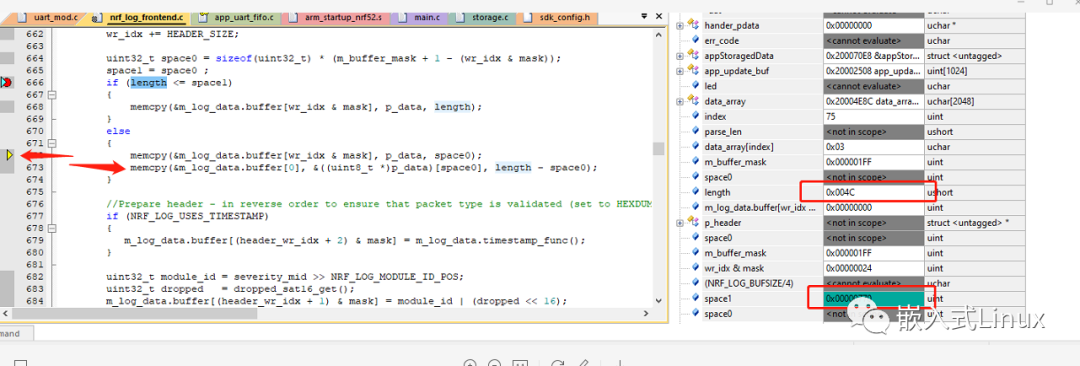
這個是今天在微信群里討論的一個問題,先看圖片
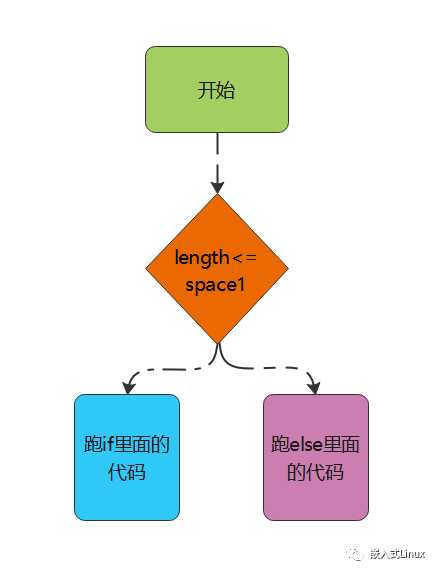
代碼流程大概是這個樣子的
查看 length 和 space1 的值,明顯看到 length 小于 space1 的值,即使是這樣小白都能搞懂流程的情況下,代碼還是跑到else里面區(qū)執(zhí)行
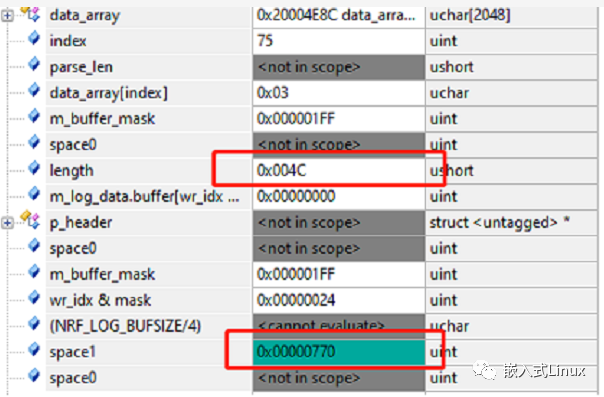
然后
我們就在群里討論,有的大神說這個是內存越界,也有大神說可能是人品有問題,也有大神說這個是因為寫代碼前沒有選好一個良辰吉日,反正大家想法都非常多,也非常古怪,這可能就是討論群存在的一個原因了。
經(jīng)過不斷的驗證,發(fā)現(xiàn)這個問題是因為編譯器優(yōu)化的問題。
如果在設置里面把優(yōu)化選項去掉代碼就執(zhí)行正確
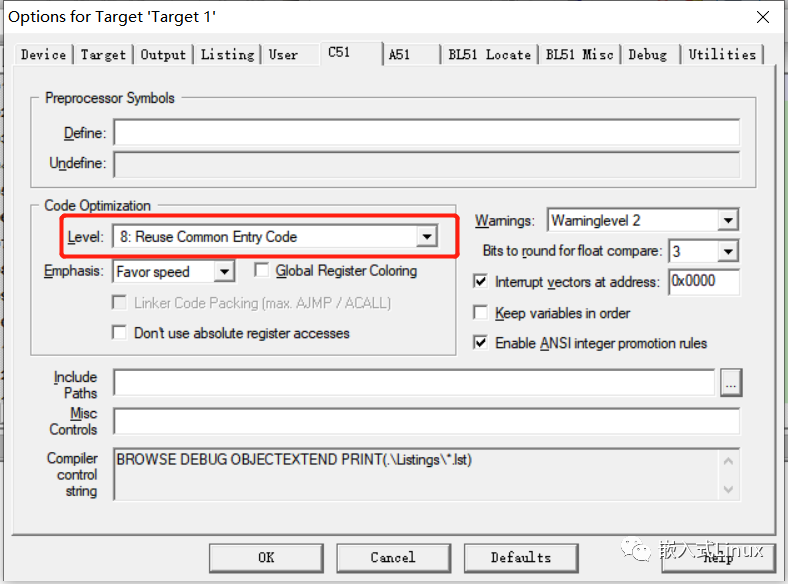
當然還有一個問題,就是如果我想開啟優(yōu)化,畢竟代碼太大占用的存儲空間是很大的,如果能節(jié)省點空間是最好的了。所以就出現(xiàn)了一種,只針對某些代碼不優(yōu)化的設置
像這樣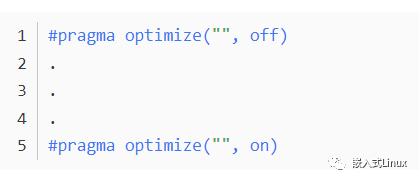
我們使用GCC編譯的時候,也是有可能因為代碼優(yōu)化導致這樣的問題的,慶幸的是,GCC也有設置不進行優(yōu)化的開關。
#使用GCC編譯器設置選擇性不優(yōu)化某段代碼
#pragma?GCC?push_options
#pragma?GCC?optimize?("O0")
#pragma?GCC?pop_options
push 的意思是把當前的編譯優(yōu)化選項壓棧,然后再設置當前的優(yōu)化選項,之后再出棧,把之前壓棧的選項提取出來。
具體可以參考鏈接:
https://gcc.gnu.org/onlinedocs/gcc-4.4.2/gcc/Function-Specific-Option-Pragmas.html
鏈接里面還介紹了一些其他的用法,原文如下
5.52.12?Function?Specific?Option?Pragmas
#pragma?GCC?target?("string"...)
This?pragma?allows?you?to?set?target?specific?options?for?functions?defined?later?in?the?source?file.?One?or?more?strings?can?be?specified.?Each?function?that?is?defined?after?this?point?will?be?as?if?attribute((target("STRING")))?was?specified?for?that?function.?The?parenthesis?around?the?options?is?optional.?See?Function?Attributes,?for?more?information?about?the?target?attribute?and?the?attribute?syntax.
The?`#pragma?GCC?target'?pragma?is?not?implemented?in?GCC?versions?earlier?than?4.4,?and?is?currently?only?implemented?for?the?386?and?x86_64?backends.

#pragma?GCC?optimize?("string"...)
This?pragma?allows?you?to?set?global?optimization?options?for?functions?defined?later?in?the?source?file.?One?or?more?strings?can?be?specified.?Each?function?that?is?defined?after?this?point?will?be?as?if?attribute((optimize("STRING")))?was?specified?for?that?function.?The?parenthesis?around?the?options?is?optional.?See?Function?Attributes,?for?more?information?about?the?optimize?attribute?and?the?attribute?syntax.
The?`#pragma?GCC?optimize'?pragma?is?not?implemented?in?GCC?versions?earlier?than?4.4.

#pragma?GCC?push_options
#pragma?GCC?pop_options
These?pragmas?maintain?a?stack?of?the?current?target?and?optimization?options.?It?is?intended?for?include?files?where?you?temporarily?want?to?switch?to?using?a?different?`#pragma?GCC?target'?or?`#pragma?GCC?optimize'?and?then?to?pop?back?to?the?previous?options.
The?`#pragma?GCC?push_options'?and?`#pragma?GCC?pop_options'?pragmas?are?not?implemented?in?GCC?versions?earlier?than?4.4.

#pragma?GCC?reset_options
This?pragma?clears?the?current?#pragma?GCC?target?and?#pragma?GCC?optimize?to?use?the?default?switches?as?specified?on?the?command?line.
The?`#pragma?GCC?reset_options'?pragma?is?not?implemented?in?GCC?versions?earlier?than?4.4.
#當然還有指定某個函數(shù)設置優(yōu)化等級
int?max(int?a,?int?b)?__attribute__((optimize("O0")));
{
?return?a?}
#使用volatile 關鍵字避免編譯器優(yōu)化
volatile 的作用是提醒CPU,如果遇到被volatile 修飾的變量,要從內存里面去取值,而不要偷懶,直接從緩存里面取值,我們一般是用在那些被中斷處理函數(shù)使用的那些變量。
如果有些代碼,你不希望CPU偷懶,那你就可以加上volatile ,讓CPU從內存取數(shù)據(jù)。
CSDN上有這樣一個例子
https://blog.csdn.net/qq_28637193/article/details/88988951今天碰到一個gcc優(yōu)化相關的問題,為了讓一個頁變成臟頁(頁表中dirty位被置上),需要執(zhí)行下面這段代碼:

1?uint32_t?*page;
2?//?...
3?page[0]?=?page[0];
最后一行代碼很有可能被gcc優(yōu)化掉,因為這段代碼看起來沒有任何實際的作用。那么如何防止gcc對這段代碼做優(yōu)化呢?

設置gcc編譯時優(yōu)化級別為-O0肯定是不合適的,這樣對程序性能影響會比較大。stackoverflow上的Dietrich Epp給出了一個強制類型轉換的方案:

((unsigned?char?volatile?*)page)[0]?=?page[0];
通過volatile關鍵字禁止gcc的優(yōu)化
#總結、什么情況會導致這樣的問題?
1、堆棧溢出應該是一個原因,之前我有遇到的情況是棧空間設置太小,然后溢出到堆空間導致問題。
2、使用某個函數(shù)導致溢出,我們使用的函數(shù),比如,內存拷貝函數(shù),如果長度設置不對,也會導致影響到其他的代碼。
3、還有就是上面說的編譯器優(yōu)化導致的問題。
評論說說你在開發(fā)過程總遇到過哪些奇葩的問題,又是如何解決的呢?
