
【爆肝面試系列】CSS 垂直居中的正確打開方式
前言之爆錘面試官神器 - CSS
無論是實(shí)際開發(fā)中,亦或者是求職面試中,css 垂直居中往往都是一個(gè)繞不開的話題,其中不乏有許多面試者在多次雙重嘗受打擊之后,而沒有一個(gè)很好的反擊點(diǎn),剛好結(jié)合自己以前受的委屈和痛苦,來給大家一個(gè)錘爆面試官大佬們的機(jī)會(huì)。
其實(shí)垂直居中主要分為了兩種類型:居中元素寬高已知 和 居中元素寬高未知,那么我們就結(jié)合這兩種類型來一一做舉例。
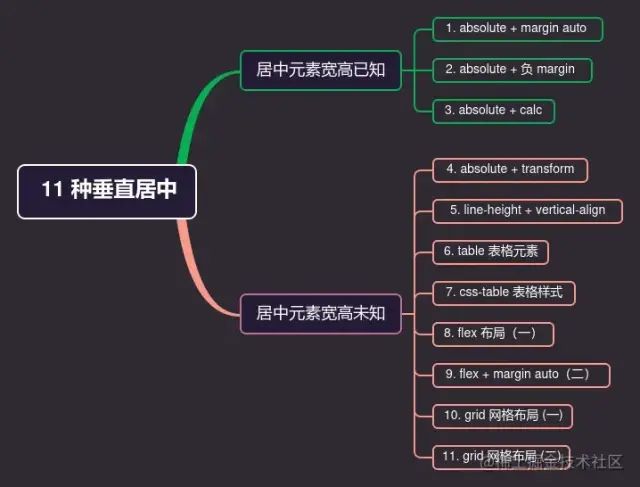
居中元素寬高已知
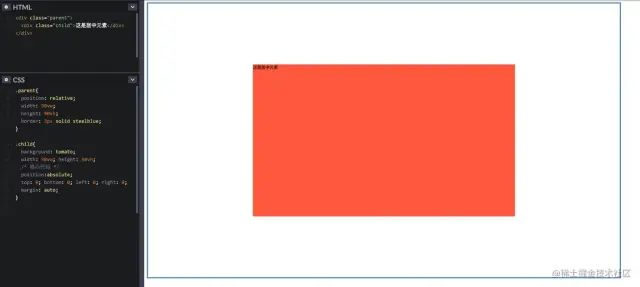
1. absolute + margin auto
顧名思義,就是利用當(dāng)前元素的 position: absolute; 和 margin: auto;
注意使用此方法:父元素與當(dāng)前元素的高度要設(shè)置;
通過將各個(gè)方向的距離都設(shè)置為 0,此時(shí)將 margin 設(shè)置為 auto,就可以實(shí)現(xiàn)垂直居中顯示了;
具體代碼如下:
.parent{
  position: relative;
  width: 90vw;
  height: 90vh;
  border: 3px solid steelblue;
}

.child{
  background: tomato;
  width: 50vw; height: 50vh;
  /* 核心代碼 */
  position:absolute;
  top: 0; bottom: 0; left: 0; right: 0;
  margin: auto;
}

復(fù)制代碼
具體效果如下:
2. absolute + 負(fù) margin
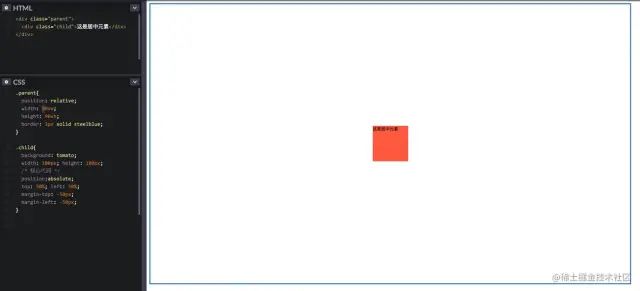
利用絕對(duì)定位百分比 50% 來實(shí)現(xiàn),因?yàn)楫?dāng)前元素的百分比是基于相對(duì)定位(也就是父元素)來定位的;
然后再用負(fù)的 margin-top 和 margin-left 來進(jìn)行簡單的位移即可,因?yàn)楝F(xiàn)在的負(fù) margin 是基于自身的高度和寬度來進(jìn)行位移的。
具體代碼如下:
.parent{
  position:relative;
  width: 90vw;
  height: 90vh;
  border: 3px solid steelblue;
}

.child{
  background: tomato;
  width: 100px; height: 100px;
  /* 核心代碼 */
  position:absolute;
  top: 50%; left: 50%;
  margin-top: -50px;
  margin-left: -50px;
}

復(fù)制代碼
具體效果如下:
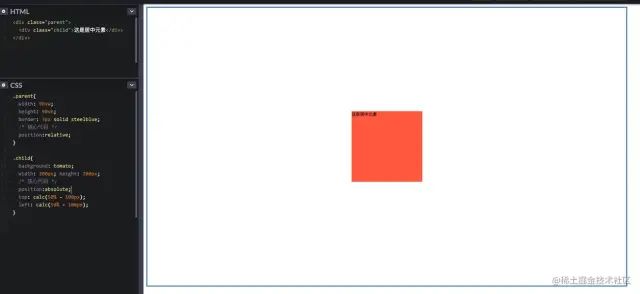
3. absolute + calc
使用 CSS3 的一個(gè)計(jì)算函數(shù)來進(jìn)行計(jì)算即可;方法與上面類似
具體代碼如下:
.parent{
  width: 90vw;
  height: 90vh;
  border: 3px solid steelblue;
  /* 核心代碼 */
  position:relative;
}

.child{
  background: tomato;
  width: 200px; height: 200px;
  /* 核心代碼 */
  position:absolute;
  top: calc(50% - 100px);
  left: calc(50% - 100px);
}

復(fù)制代碼
具體效果如下:
居中元素寬高未知
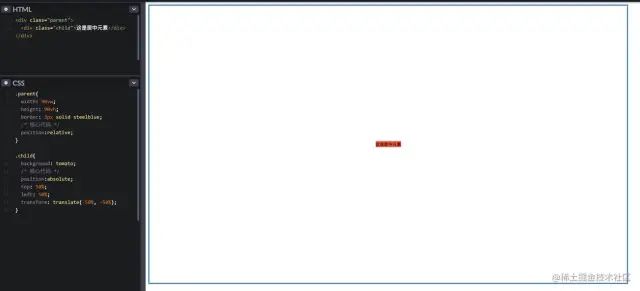
4. absolute + transform
利用 CSS3 的新特性 transform;因?yàn)?transform 的 translate 屬性值如果是一個(gè)百分比,那么這個(gè)百分比將是基于自身的寬高計(jì)算出來的。
具體代碼如下:
.parent{
  width: 90vw;
  height: 90vh;
  border: 3px solid steelblue;
  /* 核心代碼 */
  position:relative;
}

.child{
  background: tomato;
  /* 核心代碼 */
  position:absolute;
  top: 50%;
  left: 50%;
  transform: translate(-50%, -50%);
}
復(fù)制代碼
具體效果如下:
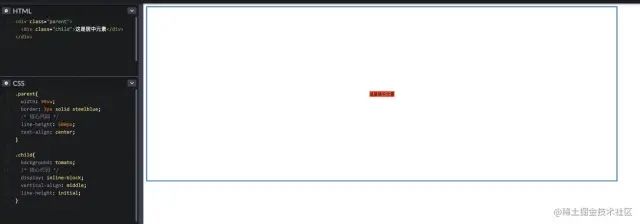
5. line-height + vertical-align
把當(dāng)前元素設(shè)置為行內(nèi)元素,然后通過設(shè)置父元素的 text-align: center; 實(shí)現(xiàn)水平居中;
同時(shí)通過設(shè)置當(dāng)前元素的 vertical-align: middle; 來實(shí)現(xiàn)垂直居中;
最后設(shè)置當(dāng)前元素的 line-height: initial; 來繼承父元素的line-height。
具體代碼如下:
.parent{
  width: 90vw;
  border: 3px solid steelblue;
  /* 核心代碼 */
  line-height: 500px;
  text-align: center;
}

.child{
  background: tomato;
  /* 核心代碼 */
  display: inline-block;
  vertical-align: middle;
  line-height: initial;
}
復(fù)制代碼
具體效果如下:
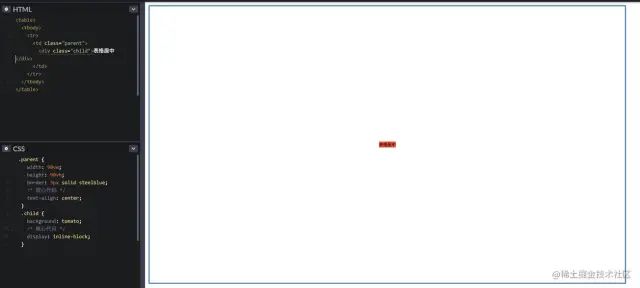
6. table 表格元素
通過最經(jīng)典的 table 元素來進(jìn)行水平垂直居中,不過代碼看起來會(huì)很冗余,不推薦使用;
具體代碼如下:
<table>
  <tbody>
    <tr>
      <td class="parent">
        <div class="child"></div>
      </td>
    </tr>
  </tbody>
</table>

<style>
  .parent {
    width: 90vw;
    height: 90vh;
    border: 3px solid steelblue;
    /* 核心代碼 */
    text-align: center;
  }
  .child {
    background: tomato;
    /* 核心代碼 */
    display: inline-block;
  }
</style>
復(fù)制代碼
具體效果如下:
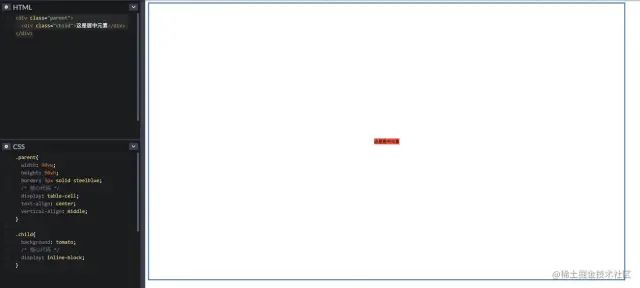
7. css-table 表格樣式
如果一定要使用 table 的特性,但是不想寫 table 元素的話,那么css-table 就很適合你;
具體代碼如下:
.parent{
  width: 90vw;
  height: 90vh;
  border: 3px solid steelblue;
  /* 核心代碼 */
  display: table-cell;
  text-align: center;
  vertical-align: middle;
}

.child{
  background: tomato;
  /* 核心代碼 */
  display: inline-block;
}
復(fù)制代碼
具體效果如下:
8. flex 布局(一)
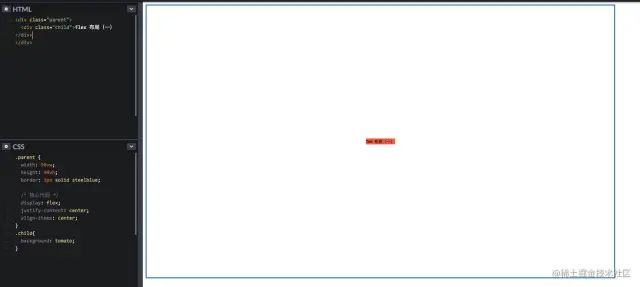
要說現(xiàn)在較為流行和使用較多的布局方案,那么非 flex 莫屬了,那么舉例兩個(gè)最常見的使用方式 ~
直接在 flex-container 上通過幾行代碼即可很優(yōu)雅的實(shí)現(xiàn)
具體代碼如下:
.parent {
  width: 90vw;
  height: 90vh;
  border: 3px solid steelblue;

  /* 核心代碼 */
  display: flex;
  justify-content: center;
 align-items: center;
}
.child{
  background: tomato;
}
復(fù)制代碼
justify-content 表示:設(shè)置或檢索彈性盒子元素在主軸(橫軸)方向上的對(duì)齊方式;
align-items 表示:定義 flex 子項(xiàng)在 flex 容器的當(dāng)前行的側(cè)軸(縱軸)方向上的對(duì)齊方式。
具體效果如下:
9. flex + margin auto(二)
在 flex-item 上更加優(yōu)雅的實(shí)現(xiàn)
具體代碼如下:
.parent{
  width: 90vw;
  height: 90vh;
  border: 3px solid steelblue;

  /* 核心代碼 */
  display: flex;
}

.child{
  background: tomato;

  /* 核心代碼 */
  margin: auto;
}
復(fù)制代碼
具體效果如下:
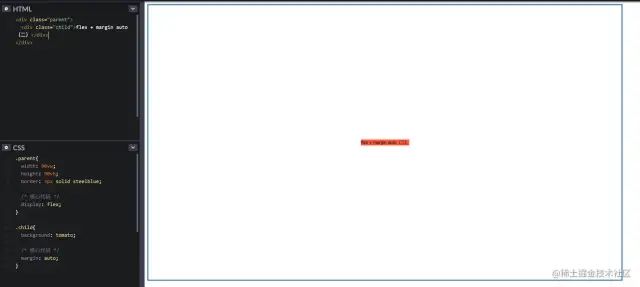
flex 的兩種方法使用取舍,任憑您意
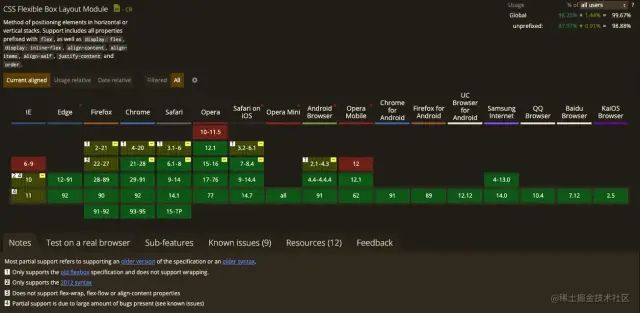
附贈(zèng) flex 兼容性圖片一張
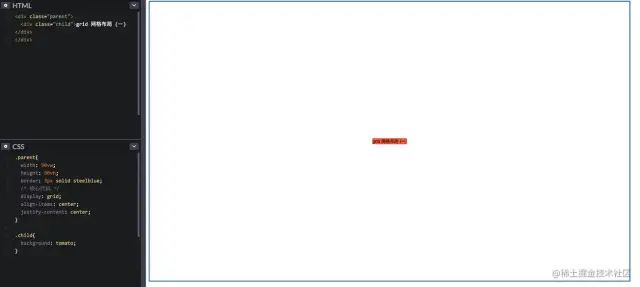
10. grid 網(wǎng)格布局 (一)
grid 布局相信大家在實(shí)際項(xiàng)目中用的較少,主要是該布局實(shí)在是太超前,導(dǎo)致了兼容性不是那么理想,但是不可否認(rèn)的是 grid 的能力在 css 布局中絕對(duì)是一個(gè)質(zhì)的飛越。
不熟悉的可以看下阮一峰老師的詳細(xì)入門教程[1]
CSS Grid 包含與 Flexbox 幾乎相同的對(duì)齊選項(xiàng),因此我們可以在 grid-container 上優(yōu)雅的實(shí)現(xiàn)
具體代碼如下:
.parent{
  width: 90vw;
  height: 90vh;
  border: 3px solid steelblue;
  /* 核心代碼 */
  display: grid;
  align-items: center;
  justify-content: center;
}

.child{
  background: tomato;
}
復(fù)制代碼
具體效果如下:
11. grid 網(wǎng)格布局 (二)
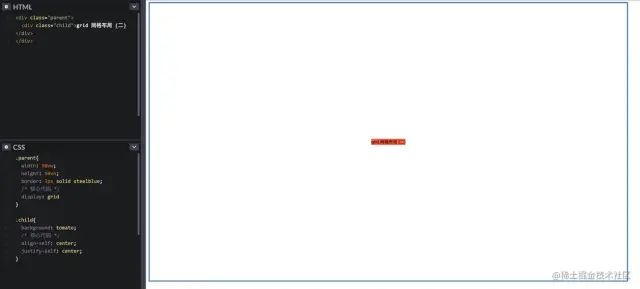
同樣我們可以像 Flexbox 一樣,在 grid-item 上優(yōu)雅的實(shí)現(xiàn)
具體代碼如下:
.parent{
  width: 90vw;
  height: 90vh;
  border: 3px solid steelblue;
  /* 核心代碼 */
  display: grid
}

.child{
  background: tomato;
  /* 核心代碼 */
  align-self: center;
  justify-self: center;
}
復(fù)制代碼
具體效果如下:
flex 的兩種方法使用取舍,任憑您高興
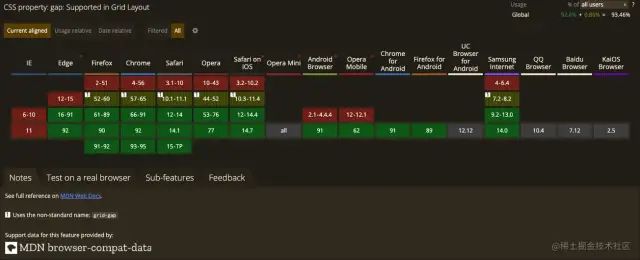
附贈(zèng) grid 兼容性圖片一張
總結(jié)
在學(xué)習(xí)了上面的 11 種垂直居中布局方法后,我們簡單概括一下
如果你的項(xiàng)目在 PC 端有兼容性要求并且寬高固定,推薦使用 absolute + 負(fù) margin方法實(shí)現(xiàn);如果你的項(xiàng)目在 PC 端有兼容性要求并且寬高不固定,推薦使用 css-table方式實(shí)現(xiàn);如果你的項(xiàng)目在 PC 端無兼容性要求 ,推薦使用 flex實(shí)現(xiàn)居中,當(dāng)然不考慮 IE 的話,grid也是個(gè)不錯(cuò)的選擇;如果你的項(xiàng)目在移動(dòng)端使用 ,那么推薦你使用 flex,grid也可作為備選。
寫在最后
其實(shí)以上的是一種垂直居中方法,只是比較常見的,其實(shí)還有一些比較冷門的方式方法,例如 偽類元素、grid-container 的 grid-template-rows 等,大家下去可以自行嘗試一下 ~
周末已結(jié)束,周一還會(huì)遠(yuǎn)嗎,祝大家新的一周新的開始 ~
帥氣美麗的你給個(gè)贊唄再走唄 ~
參考資料
https://www.ruanyifeng.com/blog/2019/03/grid-layout-tutorial.html: https://link.juejin.cn?target=https%3A%2F%2Fwww.ruanyifeng.com%2Fblog%2F2019%2F03%2Fgrid-layout-tutorial.html
關(guān)于本文
來自:易師傅
https://juejin.cn/post/6991465721565806605
The End