Spring Boot 使用 Filter 的正確姿勢!

Filter 是 JavaEE 中 Servlet 規(guī)范的一個組件,位于包javax.servlet 中,它可以在 HTTP 請求到達 Servlet 之前,被一個或多個Filter處理。
它的工作流程如圖: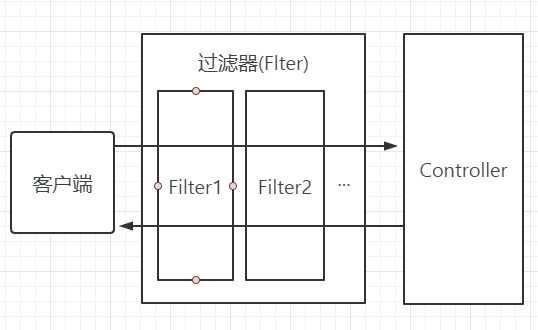
Filter的這個特性在生產(chǎn)環(huán)境中有很廣泛的應用,如:修改請求和響應、防止xss攻擊、包裝二進制流使其可以多次讀,等等。
實際工作中,我們都是使用 SpringBoot 進行業(yè)務開發(fā),本文總結(jié)三種 Filter 用法,SpringBoot 版本采用目前最新的 v2.3.1.RELEASE
1. 編寫Filter
要編寫 Filter ,只需要實現(xiàn)javax.servlet.Filter接口就可以了
public class MyFilter implements Filter {
    @Override
    public void doFilter(ServletRequest servletRequest, ServletResponse servletResponse, FilterChain filterChain) throws IOException, ServletException {
        System.out.println("MyFilter");
        // 要繼續(xù)處理請求,必須添加 filterChain.doFilter()
        filterChain.doFilter(servletRequest,servletResponse);
    }
}
Filter 接口有三個方法:init(),doFilter(),destroy()。
其中doFilter()需要自己實現(xiàn),其余兩個是default的,可以不用實現(xiàn)。
Spring Boot 基礎就不介紹了,推薦下這個實戰(zhàn)教程:https://github.com/javastacks/spring-boot-best-practice
注意:如果Filter要使請求繼續(xù)被處理,就一定要調(diào)用filterChain.doFilter()!
2. 配置Filter被 Spring 管理
讓自定義的 Filter 被 Spring 的 IOC 容器管理,有三種實現(xiàn)方式,各有優(yōu)缺點。下面課代表給大家總結(jié)一下:
1. 使用@Component+@Order
在剛剛定義的MyFilter類上加上@Component和@Order注解,即可被Spring管理
@Component
@Order(1)
public class MyFilter implements Filter {
    @Override
    public void doFilter(ServletRequest servletRequest, ServletResponse servletResponse, FilterChain filterChain) throws IOException, ServletException {
        System.out.println("MyFilter");
        // 要繼續(xù)處理請求,必須添加 filterChain.doFilter()
        filterChain.doFilter(servletRequest,servletResponse);
    }
}
沒錯就這么簡單,這樣 MyFilter 就生效了,寫個Controller 調(diào)用一下就可以看到效果。
當有多個Filter時,這里的@Order(1)注解會指定執(zhí)行順序,數(shù)字越小,越優(yōu)先執(zhí)行,如果只寫@Order,默認順序值是Integer.MAX_VALUE。
@Component + @Order 注解方式配置簡單,支持自定義 Filter 順序。缺點是只能攔截所有URL,不能通過配置去攔截指定的 URL。
2.@WebFilter+@ServletComponentScan
在 MyFilter上添加@WebFilter注解,并在啟動類上增加@ServletComponentScan("com.zhengxl.filterdemo.filter")注解,參數(shù)就是Filter所在的包路徑,相當于告訴 SpringBoot,去哪里掃描 Filter
@WebFilter(urlPatterns = "/*")
public class MyFilter implements Filter {
    @Override
    public void doFilter(ServletRequest servletRequest, ServletResponse servletResponse, FilterChain filterChain) throws IOException, ServletException {
        System.out.println("MyFilter");
        // 要繼續(xù)處理請求,必須添加 filterChain.doFilter()
        filterChain.doFilter(servletRequest,servletResponse);
    }
}
@SpringBootApplication
@ServletComponentScan("com.zhengxl.filterdemo.filter")
public class FilterDemoApplication {

    public static void main(String[] args) {
        SpringApplication.run(FilterDemoApplication.class, args);
    }

}
@WebFilter+@ServletComponentScan 注解方式支持對 Filter 匹配指定URL,但是不支持指定 Filter 的執(zhí)行順序。
3. JavaConfig 配置方式
@Configuration
public class FilterConfig {
    @Bean
    public FilterRegistrationBean registerMyFilter(){
        FilterRegistrationBean<MyFilter> bean = new FilterRegistrationBean<>();
        bean.setOrder(1);
        bean.setFilter(new MyFilter());
        // 匹配"/hello/"下面的所有url
        bean.addUrlPatterns("/hello/*");
        return bean;
    }
    @Bean
    public FilterRegistrationBean registerMyAnotherFilter(){
        FilterRegistrationBean<MyAnotherFilter> bean = new FilterRegistrationBean<>();
        bean.setOrder(2);
        bean.setFilter(new MyAnotherFilter());
        // 匹配所有url
        bean.addUrlPatterns("/*");
        return bean;
    }
}
通過 Java 代碼顯式配置 Filter ,功能強大,配置靈活。只需要把每個自定義的 Filter 聲明成 Bean 交給 Spring 管理即可,還可以設置匹配的 URL 、指定 Filter 的先后順序。
3. 三種方式對比
以上介紹完 SpringBoot 中三種 Filter的使用姿勢,非常簡單,下面列個表格總結(jié)一下:
| 使用方式 | 排序 | 指定URL |
|---|---|---|
| @Component @Order | 1 | 0 |
| @WebFilter @ServletComponentScan | 0 | 1 |
| JavaConfig | 1 | 1 |
實際使用過程中,可以按照業(yè)務需求選擇合適的使用方式,比如:如果編寫的過濾器要攔截所有請求,不需要指定URL,那選擇最簡單的 @Component+@Order 就非常合適。
PS:其實還有第四種,web.xml配置,不過這都2020年了,用 SpringBoot 的自動裝配或者 JavaConfig 不是更方便嗎?






關注Java技術棧看更多干貨