
SpringBoot集成Swagger-Bootstrap-UI,頁(yè)面更清爽!

作者:youcongtech
segmentfault.com/a/1190000038170506
之前在創(chuàng)業(yè)公司待的時(shí)候,用過(guò)swagger,因?yàn)槲业谝惶靵?lái)這家公司工作,第一個(gè)任務(wù)就是做接口文檔自動(dòng)化。
后來(lái)覺(jué)得它不太好用,在瀏覽技術(shù)網(wǎng)站的時(shí)候,偶然發(fā)現(xiàn)swagger-bootstrap-ui,于是便重構(gòu)了,把swagger-bootstrap-ui整合進(jìn)來(lái),后來(lái)發(fā)現(xiàn)不僅僅對(duì)我們后端有幫助,主要方便我們將接口進(jìn)行歸類,同樣對(duì)安卓小伙伴也有幫助,他們可以看這個(gè)接口文檔進(jìn)行聯(lián)調(diào)。當(dāng)初我使用swagger-boostrap-ui的時(shí)候,那個(gè)時(shí)候還是1.x版本,如今swagger-bootsrap-ui到2.x,同時(shí)也更改名字knife4j,適用場(chǎng)景從過(guò)去的單體到微服務(wù)。也算是見(jiàn)證咱們國(guó)人自己的開(kāi)源項(xiàng)目從小到大。
該開(kāi)源項(xiàng)目GitHub地址:https://github.com/xiaoymin/S...
該開(kāi)源項(xiàng)目中文文檔地址: https://doc.xiaominfo.com/
一、添加Maven依賴
????io.springfox
????springfox-swagger2
????2.9.2


????com.github.xiaoymin
????swagger-bootstrap-ui
????1.9.6
二、添加配置類
package?com.blog.tutorial.config;
import?com.github.xiaoymin.swaggerbootstrapui.annotations.EnableSwaggerBootstrapUI;
import?org.springframework.context.annotation.Bean;
import?org.springframework.context.annotation.Configuration;
import?springfox.documentation.builders.ApiInfoBuilder;
import?springfox.documentation.builders.PathSelectors;
import?springfox.documentation.builders.RequestHandlerSelectors;
import?springfox.documentation.service.ApiInfo;
import?springfox.documentation.spi.DocumentationType;
import?springfox.documentation.spring.web.plugins.Docket;
import?springfox.documentation.swagger2.annotations.EnableSwagger2;
/**
?*?@description:
?*?@author:?youcong
?*?@time:?2020/11/14?15:46
?*/@Configuration
@EnableSwagger2
@EnableSwaggerBootstrapUI
public?class?SwaggerConfiguration?{
????@Bean
?public?Docket?createRestApi()?{
????????return?new?Docket(DocumentationType.SWAGGER_2)
????????????????.apiInfo(apiInfo())
????????????????.select()
????????????????.apis(RequestHandlerSelectors.basePackage("com.blog.tutorial.controller"))
????????????????.paths(PathSelectors.any())
????????????????.build();
????}
????private?ApiInfo?apiInfo()?{
????????return?new?ApiInfoBuilder()
????????????????.title("swagger-bootstrap-ui?RESTful?APIs")
????????????????.description("swagger-bootstrap-ui")
????????????????.termsOfServiceUrl("http://localhost:5050/")
????????????????.contact("[email protected]")
????????????????.version("1.0")
????????????????.build();
????}
}
三、啟動(dòng)項(xiàng)目
啟動(dòng)項(xiàng)目,不報(bào)錯(cuò),然后訪問(wèn)地址:http://ip:port/doc.html 即可
效果圖,如下: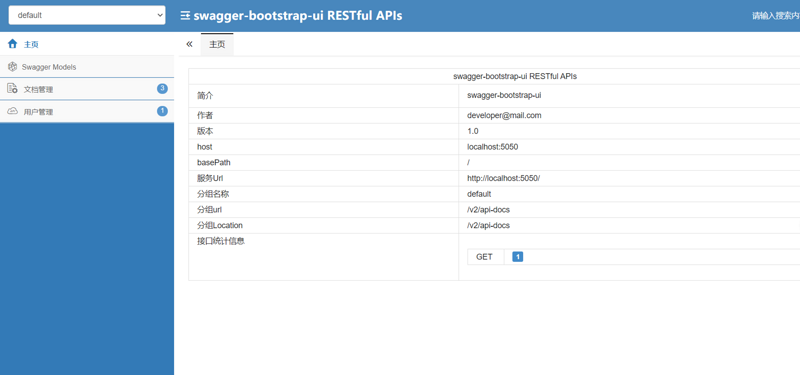
測(cè)試接口,效果圖如下: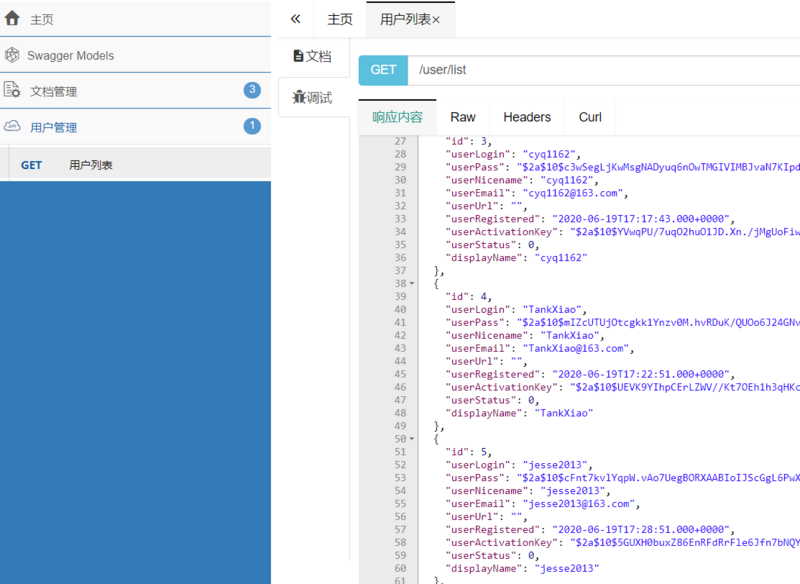
調(diào)式相當(dāng)于用PostMan測(cè)試接口。
四、常用注解
和swagger一樣,swagger用的注解,swagger-bootstrap-ui仍能用。不過(guò)結(jié)合我的開(kāi)發(fā)經(jīng)驗(yàn)來(lái)看,最常用的也就兩個(gè),@Api和@ApiOperation。@Api的效果,如圖: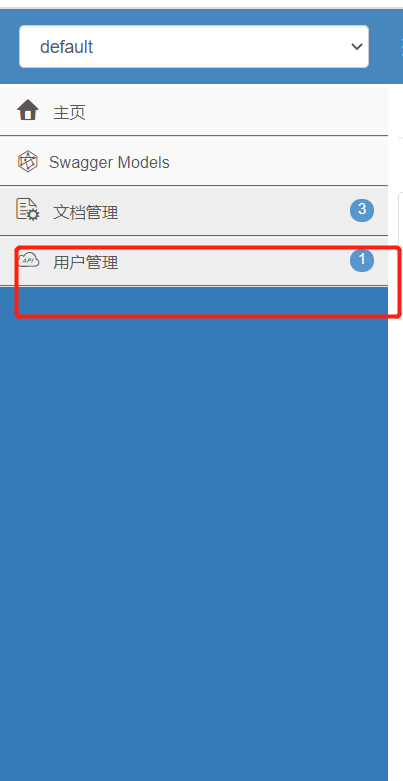
@ApiOperation的效果,如圖: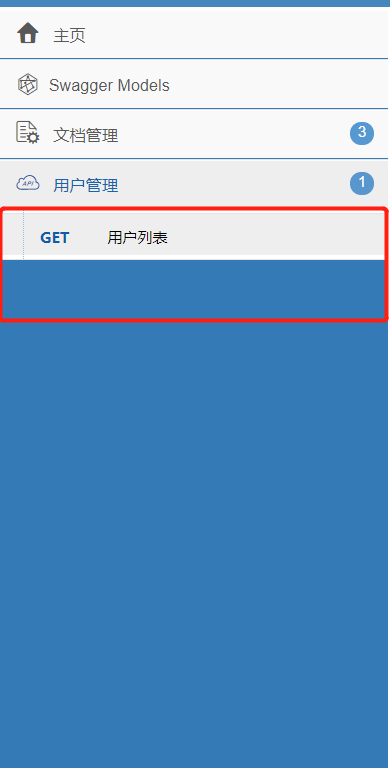 由此,我們很容易就看出來(lái),它們的含義是什么,一個(gè)是接口分類說(shuō)明,一個(gè)是接口方法說(shuō)明。
至于這里不用swagger的參數(shù)注解,主要原因是不想加太多的注解從而增加代碼的數(shù)量,造成太多冗余。
例子中的Controller代碼:
package?com.blog.tutorial.controller;
import?com.blog.tutorial.entity.Users;
import?com.blog.tutorial.service.UsersService;
import?io.swagger.annotations.Api;
import?io.swagger.annotations.ApiOperation;
import?org.springframework.beans.factory.annotation.Autowired;
import?org.springframework.web.bind.annotation.GetMapping;
import?org.springframework.web.bind.annotation.RequestMapping;
import?org.springframework.web.bind.annotation.RestController;
import?java.util.List;
/**
?*?@description:
?*?@author:?youcong
?*?@time:?2020/11/14?13:27
?*/@RestController
@RequestMapping("/user")
@Api(tags?=?{"用戶管理"},?description?=?"用戶管理")
public?class?UserController?{
????@Autowired
?private?UsersService?usersService;
????@GetMapping("/list")
????@ApiOperation(value?=?"用戶列表")
????public?List?list()?{
????????return?usersService.list();
????}
}
五、其它
關(guān)于swagger整合系列,可以參考如下:MP實(shí)戰(zhàn)系列二二之集成swagger
關(guān)于swagger-bootstrap整合系列,可以參考:
MP實(shí)戰(zhàn)系列八八之SpringBoot+Swagger2
springfox-swagger之swagger-bootstrap-ui
六、可能遇到的問(wèn)題
1.訪問(wèn)不到接口文檔界面白版
一般是被攔截了(shiro或springsecurity機(jī)制)或者是配置錯(cuò)誤。
2.訪問(wèn)接口文檔界面出來(lái)了,但掃描不到接口
主要是配置類的緣故,配置類有個(gè)包掃描,必須配置為controller路徑。如圖所示: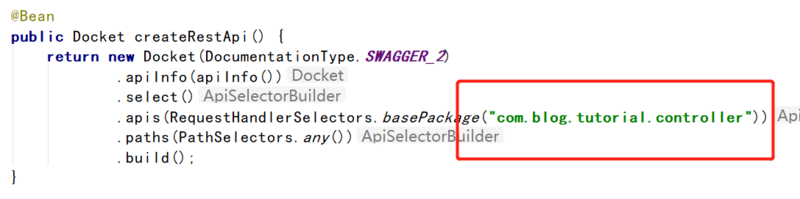
如果還有其它問(wèn)題,可以去官方文檔上找,官方文檔有一個(gè)常規(guī)問(wèn)題列表和解決方案,如圖所示: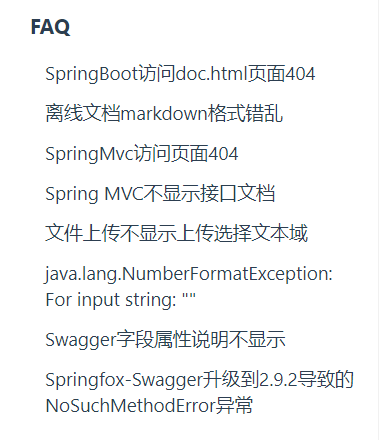
如果問(wèn)題非常奇葩的話,實(shí)在解決不了(在參考官方文檔說(shuō)明和搜索的前提下,仍解決不了,把問(wèn)題詳細(xì)描述和關(guān)鍵性代碼提到該開(kāi)源項(xiàng)目的issue上,向創(chuàng)造者求助)。
