
面試官問(wèn):生成訂單30分鐘未支付,則自動(dòng)取消,該怎么實(shí)現(xiàn)?
來(lái)自:CSDN,作者:hjm4702192
鏈接:https://blog.csdn.net/hjm4702192/article/details/80519010
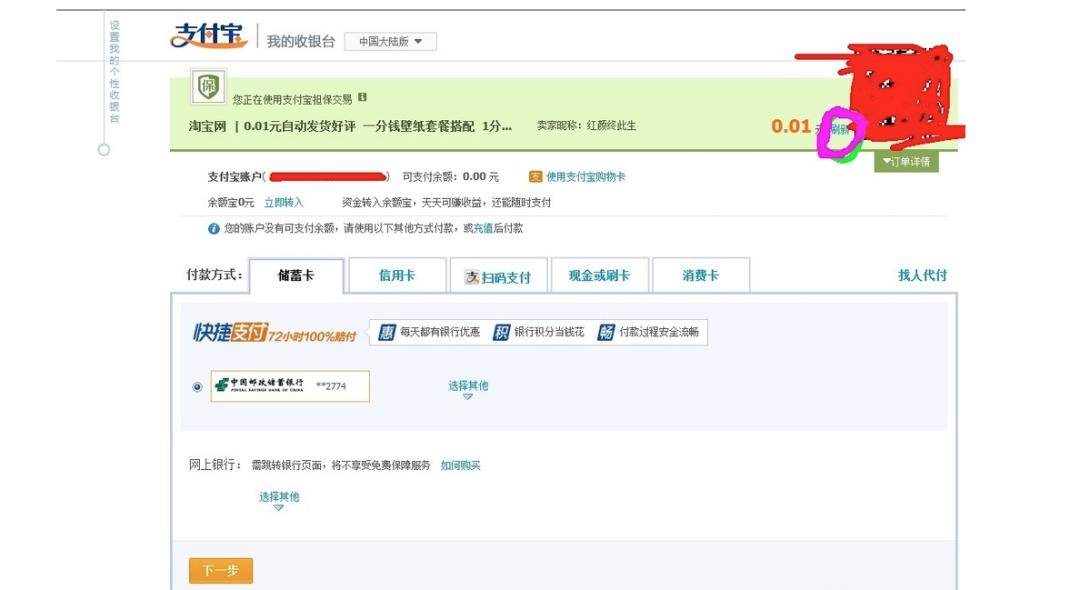
在開(kāi)發(fā)中,往往會(huì)遇到一些關(guān)于延時(shí)任務(wù)的需求。例如
生成訂單30分鐘未支付,則自動(dòng)取消 生成訂單60秒后,給用戶發(fā)短信
對(duì)上述的任務(wù),我們給一個(gè)專(zhuān)業(yè)的名字來(lái)形容,那就是延時(shí)任務(wù)。那么這里就會(huì)產(chǎn)生一個(gè)問(wèn)題,這個(gè)延時(shí)任務(wù)和定時(shí)任務(wù)的區(qū)別究竟在哪里呢?一共有如下幾點(diǎn)區(qū)別
定時(shí)任務(wù)有明確的觸發(fā)時(shí)間,延時(shí)任務(wù)沒(méi)有
定時(shí)任務(wù)有執(zhí)行周期,而延時(shí)任務(wù)在某事件觸發(fā)后一段時(shí)間內(nèi)執(zhí)行,沒(méi)有執(zhí)行周期
定時(shí)任務(wù)一般執(zhí)行的是批處理操作是多個(gè)任務(wù),而延時(shí)任務(wù)一般是單個(gè)任務(wù)
下面,我們以判斷訂單是否超時(shí)為例,進(jìn)行方案分析
方案分析
(1)數(shù)據(jù)庫(kù)輪詢(xún)
思路
該方案通常是在小型項(xiàng)目中使用,即通過(guò)一個(gè)線程定時(shí)的去掃描數(shù)據(jù)庫(kù),通過(guò)訂單時(shí)間來(lái)判斷是否有超時(shí)的訂單,然后進(jìn)行update或delete等操作
實(shí)現(xiàn)
博主當(dāng)年早期是用quartz來(lái)實(shí)現(xiàn)的(實(shí)習(xí)那會(huì)的事),簡(jiǎn)單介紹一下
maven項(xiàng)目引入一個(gè)依賴(lài)如下所示
????org.quartz-scheduler
????quartz
????2.2.2
調(diào)用Demo類(lèi)MyJob如下所示
package?com.rjzheng.delay1;

import?org.quartz.JobBuilder;

import?org.quartz.JobDetail;

import?org.quartz.Scheduler;

import?org.quartz.SchedulerException;

import?org.quartz.SchedulerFactory;

import?org.quartz.SimpleScheduleBuilder;

import?org.quartz.Trigger;

import?org.quartz.TriggerBuilder;

import?org.quartz.impl.StdSchedulerFactory;

import?org.quartz.Job;

import?org.quartz.JobExecutionContext;

import?org.quartz.JobExecutionException;

public?class?MyJob?implements?Job?{

????public?void?execute(JobExecutionContext?context)

????????????throws?JobExecutionException?{

????????System.out.println("要去數(shù)據(jù)庫(kù)掃描啦。。。");

????}

????public?static?void?main(String[]?args)?throws?Exception?{

????????//?創(chuàng)建任務(wù)

????????JobDetail?jobDetail?=?JobBuilder.newJob(MyJob.class)

????????????????.withIdentity("job1",?"group1").build();

????????//?創(chuàng)建觸發(fā)器?每3秒鐘執(zhí)行一次

????????Trigger?trigger?=?TriggerBuilder

????????????????.newTrigger()

????????????????.withIdentity("trigger1",?"group3")

????????????????.withSchedule(

????????????????????????SimpleScheduleBuilder.simpleSchedule()

????????????????????????????????.withIntervalInSeconds(3).repeatForever())

????????????????.build();

????????Scheduler?scheduler?=?new?StdSchedulerFactory().getScheduler();

????????//?將任務(wù)及其觸發(fā)器放入調(diào)度器

????????scheduler.scheduleJob(jobDetail,?trigger);

????????//?調(diào)度器開(kāi)始調(diào)度任務(wù)

????????scheduler.start();

????}

}
運(yùn)行代碼,可發(fā)現(xiàn)每隔3秒,輸出如下
要去數(shù)據(jù)庫(kù)掃描啦。。。
優(yōu)缺點(diǎn)
優(yōu)點(diǎn):簡(jiǎn)單易行,支持集群操作
缺點(diǎn):(1)對(duì)服務(wù)器內(nèi)存消耗大
(2)存在延遲,比如你每隔3分鐘掃描一次,那最壞的延遲時(shí)間就是3分鐘
(3)假設(shè)你的訂單有幾千萬(wàn)條,每隔幾分鐘這樣掃描一次,數(shù)據(jù)庫(kù)損耗極大
(2)JDK的延遲隊(duì)列
思路
該方案是利用JDK自帶的DelayQueue來(lái)實(shí)現(xiàn),這是一個(gè)無(wú)界阻塞隊(duì)列,該隊(duì)列只有在延遲期滿的時(shí)候才能從中獲取元素,放入DelayQueue中的對(duì)象,是必須實(shí)現(xiàn)Delayed接口的。
DelayedQueue實(shí)現(xiàn)工作流程如下圖所示
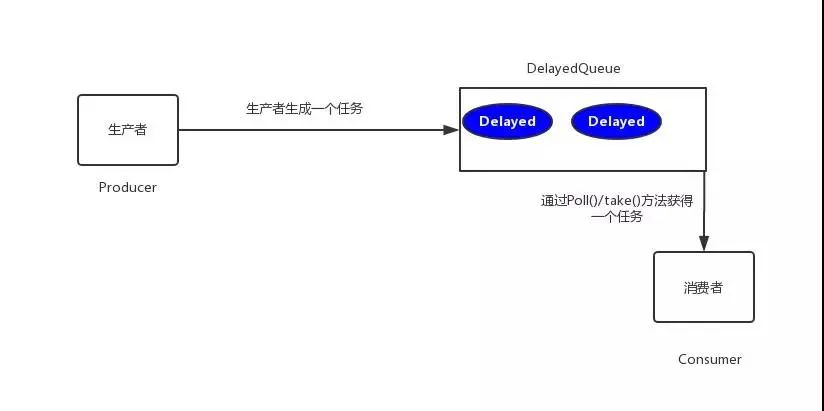
其中Poll():獲取并移除隊(duì)列的超時(shí)元素,沒(méi)有則返回空
take():獲取并移除隊(duì)列的超時(shí)元素,如果沒(méi)有則wait當(dāng)前線程,直到有元素滿足超時(shí)條件,返回結(jié)果。
實(shí)現(xiàn)
定義一個(gè)類(lèi)OrderDelay實(shí)現(xiàn)Delayed,代碼如下
package?com.rjzheng.delay2;

import?java.util.concurrent.Delayed;

import?java.util.concurrent.TimeUnit;

public?class?OrderDelay?implements?Delayed?{

????private?String?orderId;

????private?long?timeout;

????OrderDelay(String?orderId,?long?timeout)?{

????????this.orderId?=?orderId;

????????this.timeout?=?timeout?+?System.nanoTime();

????}

????public?int?compareTo(Delayed?other)?{

????????if?(other?==?this)

????????????return?0;

????????OrderDelay?t?=?(OrderDelay)?other;

????????long?d?=?(getDelay(TimeUnit.NANOSECONDS)?-?t

????????????????.getDelay(TimeUnit.NANOSECONDS));

????????return?(d?==?0)???0?:?((d?
????}

????//?返回距離你自定義的超時(shí)時(shí)間還有多少

????public?long?getDelay(TimeUnit?unit)?{

????????return?unit.convert(timeout?-?System.nanoTime(),TimeUnit.NANOSECONDS);

????}

????void?print()?{

????????System.out.println(orderId+"編號(hào)的訂單要?jiǎng)h除啦。。。。");

????}

}
運(yùn)行的測(cè)試Demo為,我們?cè)O(shè)定延遲時(shí)間為3秒
package?com.rjzheng.delay2;

import?java.util.ArrayList;

import?java.util.List;

import?java.util.concurrent.DelayQueue;

import?java.util.concurrent.TimeUnit;

public?class?DelayQueueDemo?{

?????public?static?void?main(String[]?args)?{??

????????????//?TODO?Auto-generated?method?stub??

????????????List?list?=?new?ArrayList();??

????????????list.add("00000001");??

????????????list.add("00000002");??

????????????list.add("00000003");??

????????????list.add("00000004");??

????????????list.add("00000005");??

????????????DelayQueue?queue?=?newDelayQueue();??

????????????long?start?=?System.currentTimeMillis();??

????????????for(int?i?=?0;i<5;i++){??

????????????????//延遲三秒取出

????????????????queue.put(new?OrderDelay(list.get(i),??

????????????????????????TimeUnit.NANOSECONDS.convert(3,TimeUnit.SECONDS)));??

????????????????????try?{??

?????????????????????????queue.take().print();??

?????????????????????????System.out.println("After?"?+??

?????????????????????????????????(System.currentTimeMillis()-start)?+?"?MilliSeconds");??

????????????????}?catch?(InterruptedException?e)?{??

????????????????????//?TODO?Auto-generated?catch?block??

????????????????????e.printStackTrace();??

????????????????}??

????????????}??

????????}??

}
輸出如下
00000001編號(hào)的訂單要?jiǎng)h除啦。。。。

After?3003?MilliSeconds

00000002編號(hào)的訂單要?jiǎng)h除啦。。。。

After?6006?MilliSeconds

00000003編號(hào)的訂單要?jiǎng)h除啦。。。。

After?9006?MilliSeconds

00000004編號(hào)的訂單要?jiǎng)h除啦。。。。

After?12008?MilliSeconds

00000005編號(hào)的訂單要?jiǎng)h除啦。。。。

After?15009?MilliSeconds
可以看到都是延遲3秒,訂單被刪除
優(yōu)缺點(diǎn)
優(yōu)點(diǎn):效率高,任務(wù)觸發(fā)時(shí)間延遲低。
缺點(diǎn):
(1)服務(wù)器重啟后,數(shù)據(jù)全部消失,怕宕機(jī) (2)集群擴(kuò)展相當(dāng)麻煩 (3)因?yàn)閮?nèi)存條件限制的原因,比如下單未付款的訂單數(shù)太多,那么很容易就出現(xiàn)OOM異常 (4)代碼復(fù)雜度較高
(3)時(shí)間輪算法
思路
先上一張時(shí)間輪的圖(這圖到處都是啦)
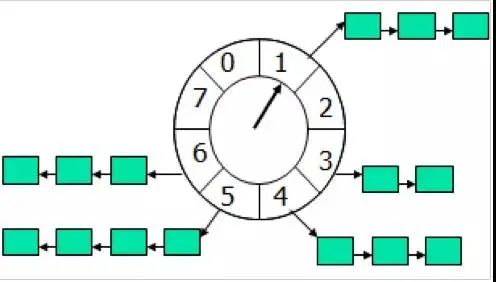
時(shí)間輪算法可以類(lèi)比于時(shí)鐘,如上圖箭頭(指針)按某一個(gè)方向按固定頻率輪動(dòng),每一次跳動(dòng)稱(chēng)為一個(gè) tick。這樣可以看出定時(shí)輪由個(gè)3個(gè)重要的屬性參數(shù),ticksPerWheel(一輪的tick數(shù)),tickDuration(一個(gè)tick的持續(xù)時(shí)間)以及 timeUnit(時(shí)間單位),例如當(dāng)ticksPerWheel=60,tickDuration=1,timeUnit=秒,這就和現(xiàn)實(shí)中的始終的秒針走動(dòng)完全類(lèi)似了。
如果當(dāng)前指針指在1上面,我有一個(gè)任務(wù)需要4秒以后執(zhí)行,那么這個(gè)執(zhí)行的線程回調(diào)或者消息將會(huì)被放在5上。那如果需要在20秒之后執(zhí)行怎么辦,由于這個(gè)環(huán)形結(jié)構(gòu)槽數(shù)只到8,如果要20秒,指針需要多轉(zhuǎn)2圈。位置是在2圈之后的5上面(20 % 8 + 1)
實(shí)現(xiàn)
我們用Netty的HashedWheelTimer來(lái)實(shí)現(xiàn)
給Pom加上下面的依賴(lài)
????io.netty

????netty-all

????4.1.24.Final
測(cè)試代碼HashedWheelTimerTest如下所示
package?com.rjzheng.delay3;

import?io.netty.util.HashedWheelTimer;

import?io.netty.util.Timeout;

import?io.netty.util.Timer;

import?io.netty.util.TimerTask;

import?java.util.concurrent.TimeUnit;

public?class?HashedWheelTimerTest?{

????static?class?MyTimerTask?implements?TimerTask{

????????boolean?flag;

????????public?MyTimerTask(boolean?flag){

????????????this.flag?=?flag;

????????}

????????public?void?run(Timeout?timeout)?throws?Exception?{

????????????//?TODO?Auto-generated?method?stub

?????????????System.out.println("要去數(shù)據(jù)庫(kù)刪除訂單了。。。。");

?????????????this.flag?=false;

????????}

????}

????public?static?void?main(String[]?argv)?{

????????MyTimerTask?timerTask?=?new?MyTimerTask(true);

????????Timer?timer?=?new?HashedWheelTimer();

????????timer.newTimeout(timerTask,?5,?TimeUnit.SECONDS);

????????int?i?=?1;

????????while(timerTask.flag){

????????????try?{

????????????????Thread.sleep(1000);

????????????}?catch?(InterruptedException?e)?{

????????????????//?TODO?Auto-generated?catch?block

????????????????e.printStackTrace();

????????????}

????????????System.out.println(i+"秒過(guò)去了");

????????????i++;

????????}

????}

}
輸出如下
1秒過(guò)去了

2秒過(guò)去了

3秒過(guò)去了

4秒過(guò)去了

5秒過(guò)去了

要去數(shù)據(jù)庫(kù)刪除訂單了。。。。

6秒過(guò)去了
優(yōu)缺點(diǎn)
優(yōu)點(diǎn):效率高,任務(wù)觸發(fā)時(shí)間延遲時(shí)間比delayQueue低,代碼復(fù)雜度比delayQueue低。
缺點(diǎn):
(1)服務(wù)器重啟后,數(shù)據(jù)全部消失,怕宕機(jī)
(2)集群擴(kuò)展相當(dāng)麻煩
(3)因?yàn)閮?nèi)存條件限制的原因,比如下單未付款的訂單數(shù)太多,那么很容易就出現(xiàn)OOM異常
(4)redis緩存
思路一
利用redis的zset,zset是一個(gè)有序集合,每一個(gè)元素(member)都關(guān)聯(lián)了一個(gè)score,通過(guò)score排序來(lái)取集合中的值
添加元素:ZADD key score member [[score member] [score member] …]
按順序查詢(xún)?cè)?ZRANGE key start stop [WITHSCORES]
查詢(xún)?cè)豷core:ZSCORE key member
移除元素:ZREM key member [member …]
測(cè)試如下
添加單個(gè)元素
redis>?ZADD?page_rank?10?google.com
(integer)?1
添加多個(gè)元素
redis>?ZADD?page_rank?9?baidu.com?8?bing.com
(integer)?2
redis>?ZRANGE?page_rank?0?-1?WITHSCORES
1)?"bing.com"
2)?"8"
3)?"baidu.com"
4)?"9"
5)?"google.com"
6)?"10"
查詢(xún)?cè)氐膕core值
redis>?ZSCORE?page_rank?bing.com
"8"
移除單個(gè)元素
redis>?ZREM?page_rank?google.com
(integer)?1
redis>?ZRANGE?page_rank?0?-1?WITHSCORES
1)?"bing.com"
2)?"8"
3)?"baidu.com"
4)?"9"
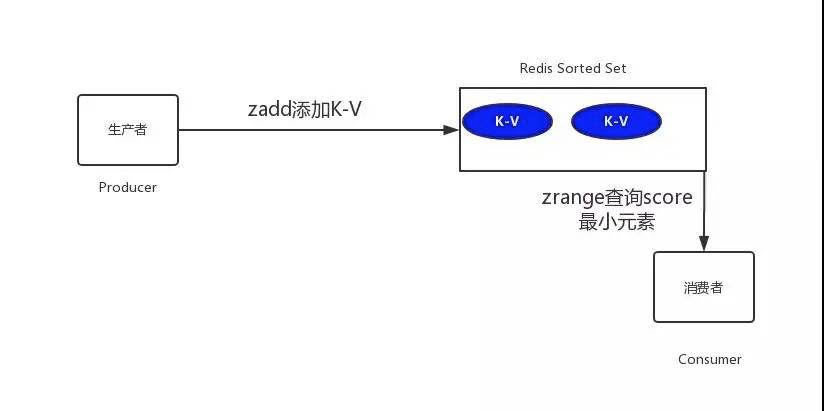
那么如何實(shí)現(xiàn)呢?我們將訂單超時(shí)時(shí)間戳與訂單號(hào)分別設(shè)置為score和member,系統(tǒng)掃描第一個(gè)元素判斷是否超時(shí),具體如下圖所示
 圖片
圖片實(shí)現(xiàn)一
package?com.rjzheng.delay4;

import?java.util.Calendar;

import?java.util.Set;

import?redis.clients.jedis.Jedis;

import?redis.clients.jedis.JedisPool;

import?redis.clients.jedis.Tuple;

public?class?AppTest?{

????private?static?final?String?ADDR?=?"127.0.0.1";

????private?static?final?int?PORT?=?6379;

????private?static?JedisPool?jedisPool?=?new?JedisPool(ADDR,?PORT);

????public?static?Jedis?getJedis()?{

???????return?jedisPool.getResource();

????}

????//生產(chǎn)者,生成5個(gè)訂單放進(jìn)去

????public?void?productionDelayMessage(){

????????for(int?i=0;i<5;i++){

????????????//延遲3秒

????????????Calendar?cal1?=?Calendar.getInstance();

????????????cal1.add(Calendar.SECOND,?3);

????????????int?second3later?=?(int)?(cal1.getTimeInMillis()?/?1000);

????????????AppTest.getJedis().zadd("OrderId",second3later,"OID0000001"+i);

????????????System.out.println(System.currentTimeMillis()+"ms:redis生成了一個(gè)訂單任務(wù):訂單ID為"+"OID0000001"+i);

????????}

????}

????//消費(fèi)者,取訂單

????public?void?consumerDelayMessage(){

????????Jedis?jedis?=?AppTest.getJedis();

????????while(true){

????????????Set?items?=?jedis.zrangeWithScores("OrderId",?0,?1);

????????????if(items?==?null?||?items.isEmpty()){

????????????????System.out.println("當(dāng)前沒(méi)有等待的任務(wù)");

????????????????try?{

????????????????????Thread.sleep(500);

????????????????}?catch?(InterruptedException?e)?{

????????????????????//?TODO?Auto-generated?catch?block

????????????????????e.printStackTrace();

????????????????}

????????????????continue;

????????????}

????????????int??score?=?(int)?((Tuple)items.toArray()[0]).getScore();

????????????Calendar?cal?=?Calendar.getInstance();

????????????int?nowSecond?=?(int)?(cal.getTimeInMillis()?/?1000);

????????????if(nowSecond?>=?score){

????????????????String?orderId?=?((Tuple)items.toArray()[0]).getElement();

????????????????jedis.zrem("OrderId",?orderId);

????????????????System.out.println(System.currentTimeMillis()?+"ms:redis消費(fèi)了一個(gè)任務(wù):消費(fèi)的訂單OrderId為"+orderId);

????????????}

????????}

????}

????public?static?void?main(String[]?args)?{

????????AppTest?appTest?=new?AppTest();

????????appTest.productionDelayMessage();

????????appTest.consumerDelayMessage();

????}

}
此時(shí)對(duì)應(yīng)輸出如下

可以看到,幾乎都是3秒之后,消費(fèi)訂單。
然而,這一版存在一個(gè)致命的硬傷,在高并發(fā)條件下,多消費(fèi)者會(huì)取到同一個(gè)訂單號(hào),我們上測(cè)試代碼ThreadTest
package?com.rjzheng.delay4;

import?java.util.concurrent.CountDownLatch;

public?class?ThreadTest?{

????private?static?final?int?threadNum?=?10;

????private?static?CountDownLatch?cdl?=?newCountDownLatch(threadNum);

????static?class?DelayMessage?implements?Runnable{

????????public?void?run()?{

????????????try?{

????????????????cdl.await();

????????????}?catch?(InterruptedException?e)?{

????????????????//?TODO?Auto-generated?catch?block

????????????????e.printStackTrace();

????????????}

????????????AppTest?appTest?=new?AppTest();

????????????appTest.consumerDelayMessage();

????????}

????}

????public?static?void?main(String[]?args)?{

????????AppTest?appTest?=new?AppTest();

????????appTest.productionDelayMessage();

????????for(int?i=0;i
????????????new?Thread(new?DelayMessage()).start();

????????????cdl.countDown();

????????}

????}

}
輸出如下所示
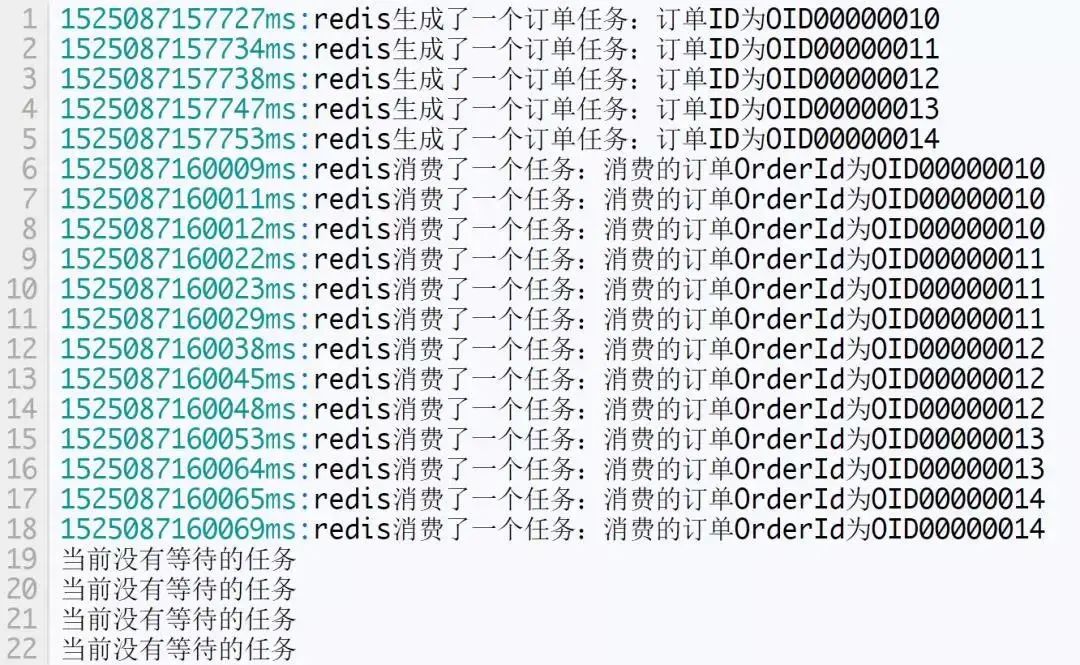
顯然,出現(xiàn)了多個(gè)線程消費(fèi)同一個(gè)資源的情況。
解決方案
(1)用分布式鎖,但是用分布式鎖,性能下降了,該方案不細(xì)說(shuō)。
(2)對(duì)ZREM的返回值進(jìn)行判斷,只有大于0的時(shí)候,才消費(fèi)數(shù)據(jù),于是將consumerDelayMessage()方法里的
if(nowSecond?>=?score){

????String?orderId?=?((Tuple)items.toArray()[0]).getElement();

????jedis.zrem("OrderId",?orderId);

????System.out.println(System.currentTimeMillis()+"ms:redis消費(fèi)了一個(gè)任務(wù):消費(fèi)的訂單OrderId為"+orderId);

}
修改為
if(nowSecond?>=?score){

????String?orderId?=?((Tuple)items.toArray()[0]).getElement();

????Long?num?=?jedis.zrem("OrderId",?orderId);

????if(?num?!=?null?&&?num>0){

????????System.out.println(System.currentTimeMillis()+"ms:redis消費(fèi)了一個(gè)任務(wù):消費(fèi)的訂單OrderId為"+orderId);

????}

}
在這種修改后,重新運(yùn)行ThreadTest類(lèi),發(fā)現(xiàn)輸出正常了
思路二
該方案使用redis的Keyspace Notifications,中文翻譯就是鍵空間機(jī)制,就是利用該機(jī)制可以在key失效之后,提供一個(gè)回調(diào),實(shí)際上是redis會(huì)給客戶端發(fā)送一個(gè)消息。是需要redis版本2.8以上。
實(shí)現(xiàn)二
在redis.conf中,加入一條配置
notify-keyspace-events Ex
運(yùn)行代碼如下
package?com.rjzheng.delay5;

import?redis.clients.jedis.Jedis;

import?redis.clients.jedis.JedisPool;

import?redis.clients.jedis.JedisPubSub;

public?class?RedisTest?{

????private?static?final?String?ADDR?=?"127.0.0.1";

????private?static?final?int?PORT?=?6379;

????private?static?JedisPool?jedis?=?new?JedisPool(ADDR,?PORT);

????private?static?RedisSub?sub?=?new?RedisSub();

????public?static?void?init()?{

????????new?Thread(new?Runnable()?{

????????????public?void?run()?{

????????????????jedis.getResource().subscribe(sub,?"__keyevent@0__:expired");

????????????}

????????}).start();

????}

????public?static?void?main(String[]?args)?throws?InterruptedException?{

????????init();

????????for(int?i?=0;i<10;i++){

????????????String?orderId?=?"OID000000"+i;

????????????jedis.getResource().setex(orderId,?3,?orderId);

????????????System.out.println(System.currentTimeMillis()+"ms:"+orderId+"訂單生成");

????????}

????}

????static?class?RedisSub?extends?JedisPubSub?{

????????'http://www.jobbole.com/members/wx610506454'>@Override

????????public?void?onMessage(String?channel,?String?message)?{

????????????System.out.println(System.currentTimeMillis()+"ms:"+message+"訂單取消");

????????}

????}

}
輸出如下

可以明顯看到3秒過(guò)后,訂單取消了
ps:redis的pub/sub機(jī)制存在一個(gè)硬傷,官網(wǎng)內(nèi)容如下
原:Because Redis Pub/Sub is fire and forget currently there is no way to use this feature if your application demands reliable notification of events, that is, if your Pub/Sub client disconnects, and reconnects later, all the events delivered during the time the client was disconnected are lost.
翻: Redis的發(fā)布/訂閱目前是即發(fā)即棄(fire and forget)模式的,因此無(wú)法實(shí)現(xiàn)事件的可靠通知。也就是說(shuō),如果發(fā)布/訂閱的客戶端斷鏈之后又重連,則在客戶端斷鏈期間的所有事件都丟失了。因此,方案二不是太推薦。當(dāng)然,如果你對(duì)可靠性要求不高,可以使用。
優(yōu)缺點(diǎn)
優(yōu)點(diǎn):(1)由于使用Redis作為消息通道,消息都存儲(chǔ)在Redis中。如果發(fā)送程序或者任務(wù)處理程序掛了,重啟之后,還有重新處理數(shù)據(jù)的可能性。(2)做集群擴(kuò)展相當(dāng)方便 (3)時(shí)間準(zhǔn)確度高
缺點(diǎn):(1)需要額外進(jìn)行redis維護(hù)
(5)使用消息隊(duì)列
我們可以采用rabbitMQ的延時(shí)隊(duì)列。RabbitMQ具有以下兩個(gè)特性,可以實(shí)現(xiàn)延遲隊(duì)列
RabbitMQ可以針對(duì)Queue和Message設(shè)置 x-message-tt,來(lái)控制消息的生存時(shí)間,如果超時(shí),則消息變?yōu)閐ead letter
lRabbitMQ的Queue可以配置x-dead-letter-exchange 和x-dead-letter-routing-key(可選)兩個(gè)參數(shù),用來(lái)控制隊(duì)列內(nèi)出現(xiàn)了deadletter,則按照這兩個(gè)參數(shù)重新路由。結(jié)合以上兩個(gè)特性,就可以模擬出延遲消息的功能,具體的,我改天再寫(xiě)一篇文章,這里再講下去,篇幅太長(zhǎng)。
優(yōu)缺點(diǎn)
優(yōu)點(diǎn): 高效,可以利用rabbitmq的分布式特性輕易的進(jìn)行橫向擴(kuò)展,消息支持持久化增加了可靠性。
缺點(diǎn):本身的易用度要依賴(lài)于rabbitMq的運(yùn)維.因?yàn)橐胷abbitMq,所以復(fù)雜度和成本變高
怎么接私活?這個(gè)渠道你100%有用!請(qǐng)收藏!
喜歡文章,點(diǎn)個(gè)在看?

