
【Vuejs】842- Vue這些修飾符幫我節(jié)省20%的開發(fā)時(shí)間
為了方便大家寫代碼,vue.js給大家提供了很多方便的修飾符,比如我們經(jīng)常用到的取消冒泡,阻止默認(rèn)事件等等~
目錄
表單修飾符 事件修飾符 鼠標(biāo)按鍵修飾符 鍵值修飾符 v-bind修飾符(實(shí)在不知道叫啥名字)
表單修飾符
.lazy
<div> ???<input type="text"?v-model="value"> ???<p>{{value}}p> div>
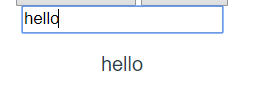
<div> ???<input type="text"?v-model.lazy="value"> ???<p>{{value}}p> div>
.trim
<input type="text"?v-model.trim="value">

.number


如果你先輸入字符串,那它就相當(dāng)于沒有加.number
事件修飾符
<div @click="shout(2)"> ??<button @click="shout(1)">okbutton> div> //js shout(e){ ??console.log(e) } //1 //2
<div @click="shout(2)"> ??<button @click.stop="shout(1)">okbutton> div> //只輸出1
.prevent
<form v-on:submit.prevent="onSubmit">form>
.self
<div?class="blue"?@click.self="shout(2)"> ??<button @click="shout(1)">okbutton> div>

.once
//鍵盤按壞都只能shout一次 <button @click.once="shout(1)">okbutton>
.capture
默認(rèn)的呢,是事件觸發(fā)是從目標(biāo)開始往上冒泡。
當(dāng)我們加了這個(gè).capture以后呢,我們就反過來了,事件觸發(fā)從包含這個(gè)元素的頂層開始往下觸發(fā)。
<div @click.capture="shout(1)"> ??????obj1 ??????<div @click.capture="shout(2)"> ????????obj2 ????????<div @click="shout(3)"> ??????????obj3 ??????????<div @click="shout(4)"> ????????????obj4 ??????????div> ????????div> ??????div> ????div> ????// 1 2 4 3
.passive
<div v-on:scroll.passive="onScroll">...div>
.native
<My-component @click="shout(3)">My-component>
注意:使用.native修飾符來操作普通HTML標(biāo)簽是會(huì)令事件失效的
鼠標(biāo)按鈕修飾符
.left 左鍵點(diǎn)擊 .right 右鍵點(diǎn)擊 .middle 中鍵點(diǎn)擊
<button @click.right="shout(1)">okbutton>
鍵值修飾符
比如onkeyup,onkeydown啊
.keyCode
<input type="text"?@keyup.keyCode="shout(4)">
//普通鍵 .enter .tab .delete?//(捕獲“刪除”和“退格”鍵) .space .esc .up .down .left .right //系統(tǒng)修飾鍵 .ctrl .alt .meta .shift
// 可以使用 `v-on:keyup.f1` Vue.config.keyCodes.f1?=?112
當(dāng)我們寫如下代碼的時(shí)候,我們會(huì)發(fā)現(xiàn)如果僅僅使用系統(tǒng)修飾鍵是無法觸發(fā)keyup事件的。
<input type="text"?@keyup.ctrl="shout(4)">
<input type="text"?@keyup.ctrl.67="shout(4)">
另,如果是鼠標(biāo)事件,那就可以單獨(dú)使用系統(tǒng)修飾符。
<button @mouseover.ctrl="shout(1)">okbutton> ?<button @mousedown.ctrl="shout(1)">okbutton> ?<button @click.ctrl.67="shout(1)">okbutton>
.exact?(2.5新增)
<button type="text"?@click.ctrl.exact="shout(4)">okbutton>
<input type="text"?@keydown.enter.exact="shout('我被觸發(fā)了')">
v-bind修飾符
.sync(2.3.0+ 新增)
//父親組件 <comp?:myMessage="bar"?@update:myMessage="func">comp> //js func(e){ ?this.bar?=?e; } //子組件js func2(){ ??this.$emit('update:myMessage',params); }
//父組件 <comp?:myMessage.sync="bar">comp> //子組件 this.$emit('update:myMessage',params);
.prop
Property:節(jié)點(diǎn)對(duì)象在內(nèi)存中存儲(chǔ)的屬性,可以訪問和設(shè)置。 Attribute:節(jié)點(diǎn)對(duì)象的其中一個(gè)屬性(?property?),值是一個(gè)對(duì)象。 可以通過點(diǎn)訪問法 document.getElementById('xx').attributes 或者 document.getElementById('xx').getAttributes('xx')?讀取,通過 document.getElementById('xx').setAttribute('xx',value)?新增和修改。 在標(biāo)簽里定義的所有屬性包括 HTML 屬性和自定義屬性都會(huì)在 attributes 對(duì)象里以鍵值對(duì)的方式存在。
//這里的id,value,style都屬于property //index屬于attribute //id、title等既是屬性,也是特性。修改屬性,其對(duì)應(yīng)的特性會(huì)發(fā)生改變;修改特性,屬性也會(huì)改變 <input id="uid"?title="title1"?value="1"?:index="index"> //input.index === undefined //input.attributes.index === this.index
為了
通過自定義屬性存儲(chǔ)變量,避免暴露數(shù)據(jù) 防止污染 HTML 結(jié)構(gòu)
<input id="uid"?title="title1"?value="1"?:index.prop="index"> //input.index === this.index //input.attributes.index === undefined
.camel
<svg?:viewBox="viewBox">svg>
<svg viewbox="viewBox">svg>
如果我們使用.camel修飾符,那它就會(huì)被渲染為駝峰名。
另,如果你使用字符串模版,則沒有這些限制。
new?Vue({ ??template:?'' })
最后


【JS】646- 1.2w字 | 初中級(jí)前端 JavaScript 自測(cè)清單 - 1

【JS】676- 1.1w字 | 初中級(jí)前端 JavaScript 自測(cè)清單 - 2
回復(fù)“加群”與大佬們一起交流學(xué)習(xí)~
點(diǎn)擊“閱讀原文”查看 100+ 篇原創(chuàng)文章
評(píng)論
圖片
表情