
掌握這12種 Python 高效技巧,讓你做數(shù)據(jù)分析更容易、便捷!
本文分享給大家?12 種 Numpy 和 Pandas 函數(shù),這些高效的函數(shù)會(huì)令數(shù)據(jù)分析更為容易、便捷。最后,讀者也可以在 GitHub 項(xiàng)目中找到本文所用代碼的 Jupyter Notebook。
項(xiàng)目地址:https://github.com/kunaldhariwal/12-Amazing-Pandas-NumPy-Functions
Numpy 的 6 種高效函數(shù)
首先從 Numpy 開始。Numpy 是用于科學(xué)計(jì)算的 Python 語言擴(kuò)展包,通常包含強(qiáng)大的 N 維數(shù)組對(duì)象、復(fù)雜函數(shù)、用于整合 C/C++和 Fortran 代碼的工具以及有用的線性代數(shù)、傅里葉變換和隨機(jī)數(shù)生成能力。
除了上面這些明顯的用途,Numpy 還可以用作通用數(shù)據(jù)的高效多維容器(container),定義任何數(shù)據(jù)類型。這使得 Numpy 能夠?qū)崿F(xiàn)自身與各種數(shù)據(jù)庫的無縫、快速集成。
接下來一一解析 6 種 Numpy 函數(shù)。
1、argpartition()
借助于 argpartition(),Numpy 可以找出 N 個(gè)最大數(shù)值的索引,也會(huì)將找到的這些索引輸出。然后我們根據(jù)需要對(duì)數(shù)值進(jìn)行排序。
x?=?np.array([12,?10,?12,?0,?6,?8,?9,?1,?16,?4,?6,?0])index_val?=?np.argpartition(x,?-4)[-4:]
index_val
array([1,?8,?2,?0],?dtype=int64)np.sort(x[index_val])
array([10,?12,?12,?16])
2、allclose()
allclose() 用于匹配兩個(gè)數(shù)組,并得到布爾值表示的輸出。如果在一個(gè)公差范圍內(nèi)(within a tolerance)兩個(gè)數(shù)組不等同,則 allclose() 返回 False。該函數(shù)對(duì)于檢查兩個(gè)數(shù)組是否相似非常有用。
array1?=?np.array([0.12,0.17,0.24,0.29])
array2?=?np.array([0.13,0.19,0.26,0.31])#?with?a?tolerance?of?0.1,?it?should?return?False:
np.allclose(array1,array2,0.1)
False#?with?a?tolerance?of?0.2,?it?should?return?True:
np.allclose(array1,array2,0.2)
True
3、clip()
Clip() 使得一個(gè)數(shù)組中的數(shù)值保持在一個(gè)區(qū)間內(nèi)。有時(shí),我們需要保證數(shù)值在上下限范圍內(nèi)。為此,我們可以借助 Numpy 的 clip() 函數(shù)實(shí)現(xiàn)該目的。給定一個(gè)區(qū)間,則區(qū)間外的數(shù)值被剪切至區(qū)間上下限(interval edge)。
x?=?np.array([3,?17,?14,?23,?2,?2,?6,?8,?1,?2,?16,?0])np.clip(x,2,5)
array([3,?5,?5,?5,?2,?2,?5,?5,?2,?2,?5,?2])
4、extract()
顧名思義,extract() 是在特定條件下從一個(gè)數(shù)組中提取特定元素。借助于 extract(),我們還可以使用 and 和 or 等條件。
#?Random?integers
array?=?np.random.randint(20,?size=12)
array
array([?0,??1,??8,?19,?16,?18,?10,?11,??2,?13,?14,??3])#??Divide?by?2?and?check?if?remainder?is?1
cond?=?np.mod(array,?2)==1
cond
array([False,??True,?False,??True,?False,?False,?False,??True,?False,?True,?False,??True])#?Use?extract?to?get?the?values
np.extract(cond,?array)
array([?1,?19,?11,?13,??3])#?Apply?condition?on?extract?directly
np.extract(((array??15)),?array)
array([?0,??1,?19,?16,?18,??2])
5、where()
Where() 用于從一個(gè)數(shù)組中返回滿足特定條件的元素。比如,它會(huì)返回滿足特定條件的數(shù)值的索引位置。Where() 與 SQL 中使用的 where condition 類似,如以下示例所示:
y?=?np.array([1,5,6,8,1,7,3,6,9])#?Where?y?is?greater?than?5,?returns?index?position
np.where(y>5)
array([2,?3,?5,?7,?8],?dtype=int64),)#?First?will?replace?the?values?that?match?the?condition,?
#?second?will?replace?the?values?that?does?not
np.where(y>5,?"Hit",?"Miss")
array([?Miss?,??Miss?,??Hit?,??Hit?,??Miss?,??Hit?,??Miss?,??Hit?,??Hit?],dtype=?
6、percentile()
Percentile() 用于計(jì)算特定軸方向上數(shù)組元素的第 n 個(gè)百分位數(shù)。
a?=?np.array([1,5,6,8,1,7,3,6,9])print("50th?Percentile?of?a,?axis?=?0?:?",??
??????np.percentile(a,?50,?axis?=0))
50th?Percentile?of?a,?axis?=?0?:??6.0b?=?np.array([[10,?7,?4],?[3,?2,?1]])print("30th?Percentile?of?b,?axis?=?0?:?",??
??????np.percentile(b,?30,?axis?=0))
30th?Percentile?of?b,?axis?=?0?:??[5.1?3.5?1.9]
這就是 Numpy 擴(kuò)展包的 6 種高效函數(shù),相信會(huì)為你帶來幫助。接下來看一看 Pandas 數(shù)據(jù)分析庫的 6 種函數(shù)。
Pandas的 6 種高效函數(shù)
Pandas 也是一個(gè) Python 包,它提供了快速、靈活以及具有顯著表達(dá)能力的數(shù)據(jù)結(jié)構(gòu),旨在使處理結(jié)構(gòu)化 (表格化、多維、異構(gòu)) 和時(shí)間序列數(shù)據(jù)變得既簡單又直觀。
Pandas 適用于以下各類數(shù)據(jù):
具有異構(gòu)類型列的表格數(shù)據(jù),如 SQL 表或 Excel 表; 有序和無序 (不一定是固定頻率) 的時(shí)間序列數(shù)據(jù); 帶有行/列標(biāo)簽的任意矩陣數(shù)據(jù)(同構(gòu)類型或者是異構(gòu)類型); 其他任意形式的統(tǒng)計(jì)數(shù)據(jù)集。事實(shí)上,數(shù)據(jù)根本不需要標(biāo)記就可以放入 Pandas 結(jié)構(gòu)中。
1、read_csv(nrows=n)
大多數(shù)人都會(huì)犯的一個(gè)錯(cuò)誤是,在不需要.csv 文件的情況下仍會(huì)完整地讀取它。如果一個(gè)未知的.csv 文件有 10GB,那么讀取整個(gè).csv 文件將會(huì)非常不明智,不僅要占用大量內(nèi)存,還會(huì)花很多時(shí)間。我們需要做的只是從.csv 文件中導(dǎo)入幾行,之后根據(jù)需要繼續(xù)導(dǎo)入。
import?io
import?requests#?I?am?using?this?online?data?set?just?to?make?things?easier?for?you?guys
url?=?"https://raw.github.com/vincentarelbundock/Rdatasets/master/csv/datasets/AirPassengers.csv"
s?=?requests.get(url).content#?read?only?first?10?rows
df?=?pd.read_csv(io.StringIO(s.decode(?utf-8?)),nrows=10?,?index_col=0)
2、map()
map( ) 函數(shù)根據(jù)相應(yīng)的輸入來映射 Series 的值。用于將一個(gè) Series 中的每個(gè)值替換為另一個(gè)值,該值可能來自一個(gè)函數(shù)、也可能來自于一個(gè) dict 或 Series。
#?create?a?dataframe
dframe?=?pd.DataFrame(np.random.randn(4,?3),?columns=list(?bde?),?index=[?India?,??USA?,??China?,??Russia?])#compute?a?formatted?string?from?each?floating?point?value?in?frame
changefn?=?lambda?x:??%.2f??%?x#?Make?changes?element-wise
dframe[?d?].map(changefn)
3、apply()
apply() 允許用戶傳遞函數(shù),并將其應(yīng)用于 Pandas 序列中的每個(gè)值。
#?max?minus?mix?lambda?fn
fn?=?lambda?x:?x.max()?-?x.min()#?Apply?this?on?dframe?that?we?ve?just?created?above
dframe.apply(fn)
4、isin()
lsin () 用于過濾數(shù)據(jù)幀。Isin () 有助于選擇特定列中具有特定(或多個(gè))值的行。
#?Using?the?dataframe?we?created?for?read_csv
filter1?=?df["value"].isin([112])?
filter2?=?df["time"].isin([1949.000000])df?[filter1?&?filter2]
5、copy()
Copy () 函數(shù)用于復(fù)制 Pandas 對(duì)象。當(dāng)一個(gè)數(shù)據(jù)幀分配給另一個(gè)數(shù)據(jù)幀時(shí),如果對(duì)其中一個(gè)數(shù)據(jù)幀進(jìn)行更改,另一個(gè)數(shù)據(jù)幀的值也將發(fā)生更改。為了防止這類問題,可以使用 copy () 函數(shù)。
#?creating?sample?series?
data?=?pd.Series([?India?,??Pakistan?,??China?,??Mongolia?])#?Assigning?issue?that?we?face
data1=?data
#?Change?a?value
data1[0]=?USA?
#?Also?changes?value?in?old?dataframe
data#?To?prevent?that,?we?use
#?creating?copy?of?series?
new?=?data.copy()#?assigning?new?values?
new[1]=?Changed?value?#?printing?data?
print(new)?
print(data)
6、select_dtypes()
select_dtypes() 的作用是,基于 dtypes 的列返回?cái)?shù)據(jù)幀列的一個(gè)子集。這個(gè)函數(shù)的參數(shù)可設(shè)置為包含所有擁有特定數(shù)據(jù)類型的列,亦或者設(shè)置為排除具有特定數(shù)據(jù)類型的列。
#?We?ll?use?the?same?dataframe?that?we?used?for?read_csv
framex?=??df.select_dtypes(include="float64")#?Returns?only?time?column
最后,pivot_table( ) 也是 Pandas 中一個(gè)非常有用的函數(shù)。如果對(duì) pivot_table( ) 在 excel 中的使用有所了解,那么就非常容易上手了。
#?Create?a?sample?dataframe
school?=?pd.DataFrame({?A?:?[?Jay?,??Usher?,??Nicky?,??Romero?,??Will?],?
???????B?:?[?Masters?,??Graduate?,??Graduate?,??Masters?,??Graduate?],?
???????C?:?[26,?22,?20,?23,?24]})#?Lets?create?a?pivot?table?to?segregate?students?based?on?age?and?course
table?=?pd.pivot_table(school,?values?=?A?,?index?=[?B?,??C?],?
?????????????????????????columns?=[?B?],?aggfunc?=?np.sum,?fill_value="Not?Available")?

table
文末福利
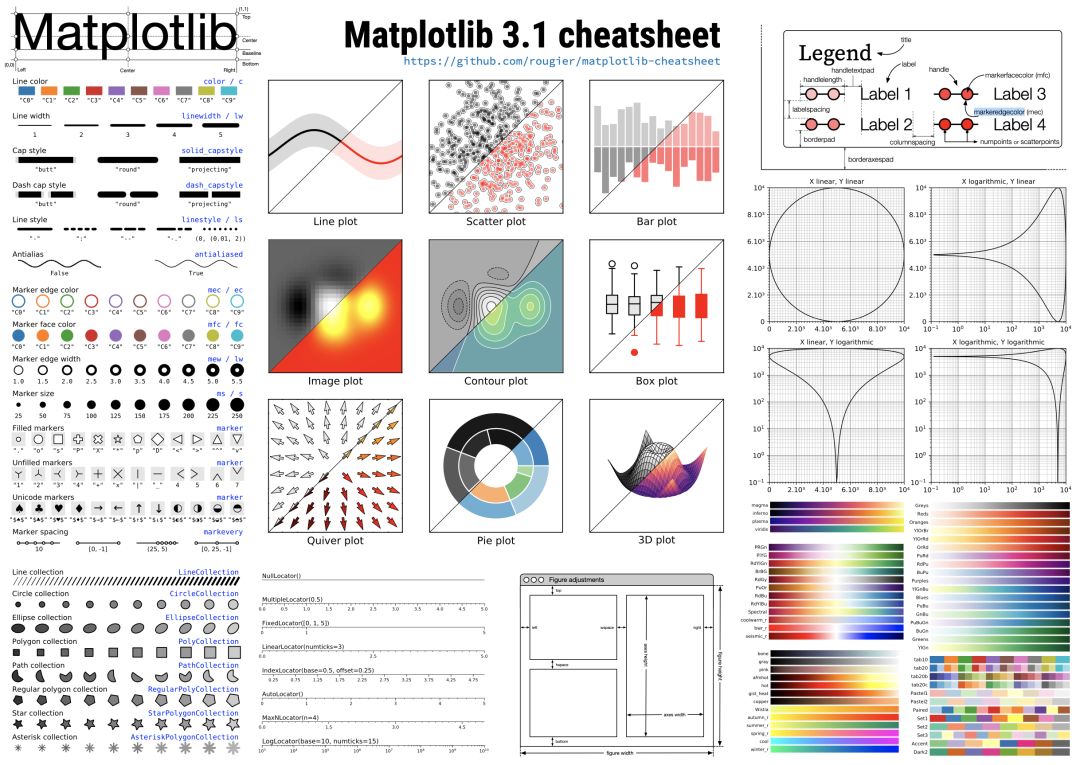
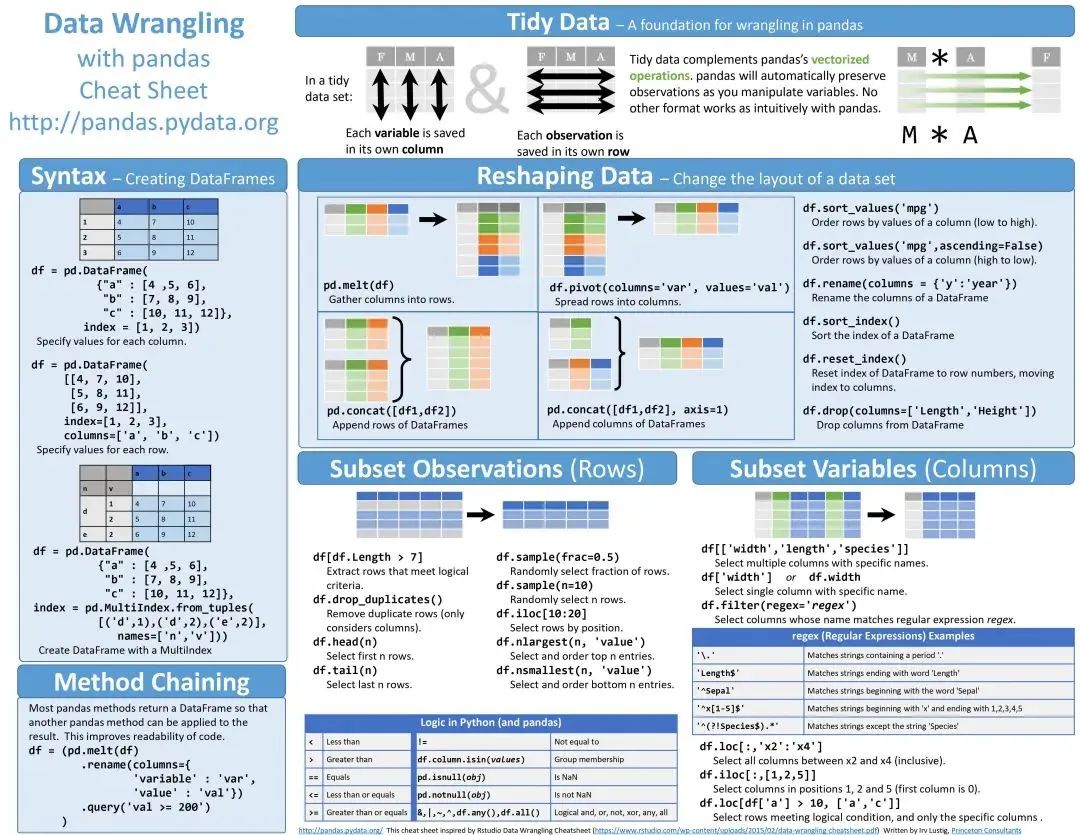
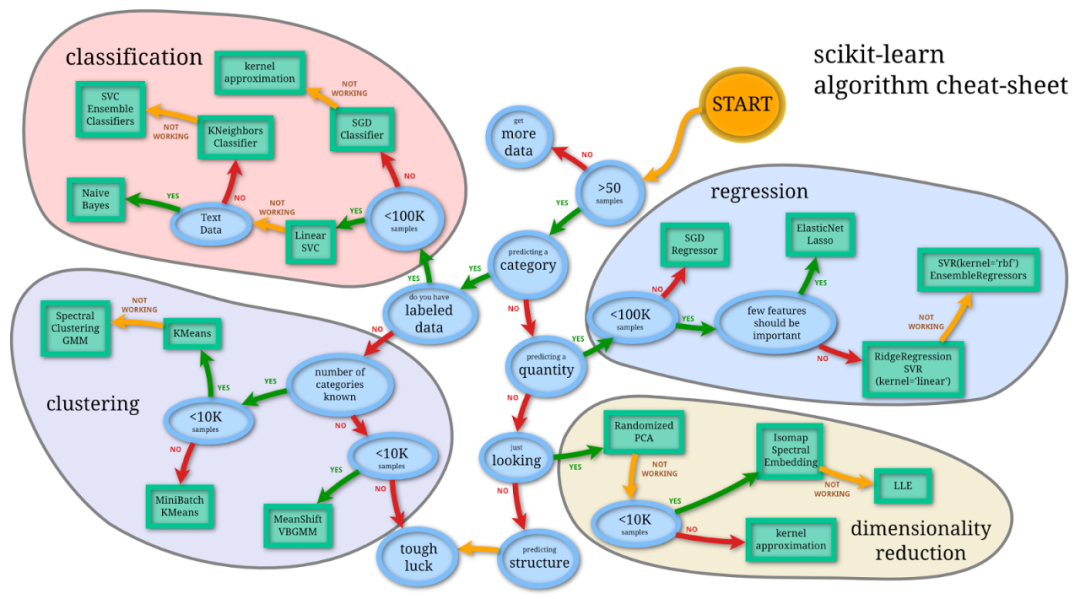
怎么獲取呢?

掃碼后關(guān)注公眾號(hào):"機(jī)器學(xué)習(xí)社區(qū)"
在公眾號(hào)消息對(duì)話框回復(fù):"速查表"即可以獲取哈~
???長按識(shí)別,即可關(guān)注